From the file. Written for the paper dated November 1994. Opened in the public stacks July 14, 2026.
In a world increasingly concerned about climate change, the mechanisms of climate measurement often remain overshadowed by the sensational headlines they generate. This article aims to shed light on the less glamorous, yet crucial, processes behind the data that informs our understanding of our planet's changing climate.
The Complexity of Climate Data Collection
Climate measurement is not merely a matter of reading a thermometer or anemometer; it involves a complex interplay of technology, methodology, and scientific rigor. From surface stations that capture ground temperatures to satellite systems that monitor atmospheric conditions, the tools of climate measurement are as varied as they are critical in providing reliable data.
The process begins with the physical collection of data. Weather stations equipped with thermometers, barometers, and rain gauges collect information on temperature, air pressure, and precipitation levels. These stations are often placed strategically to ensure a comprehensive understanding of regional climates. However, the placement of these instruments can be contentious, as local conditions and urban development can skew the data, leading to accusations of bias in climate reports.
"The mechanisms of climate measurement often remain overshadowed by the sensational headlines they generate."
The Role of Technology
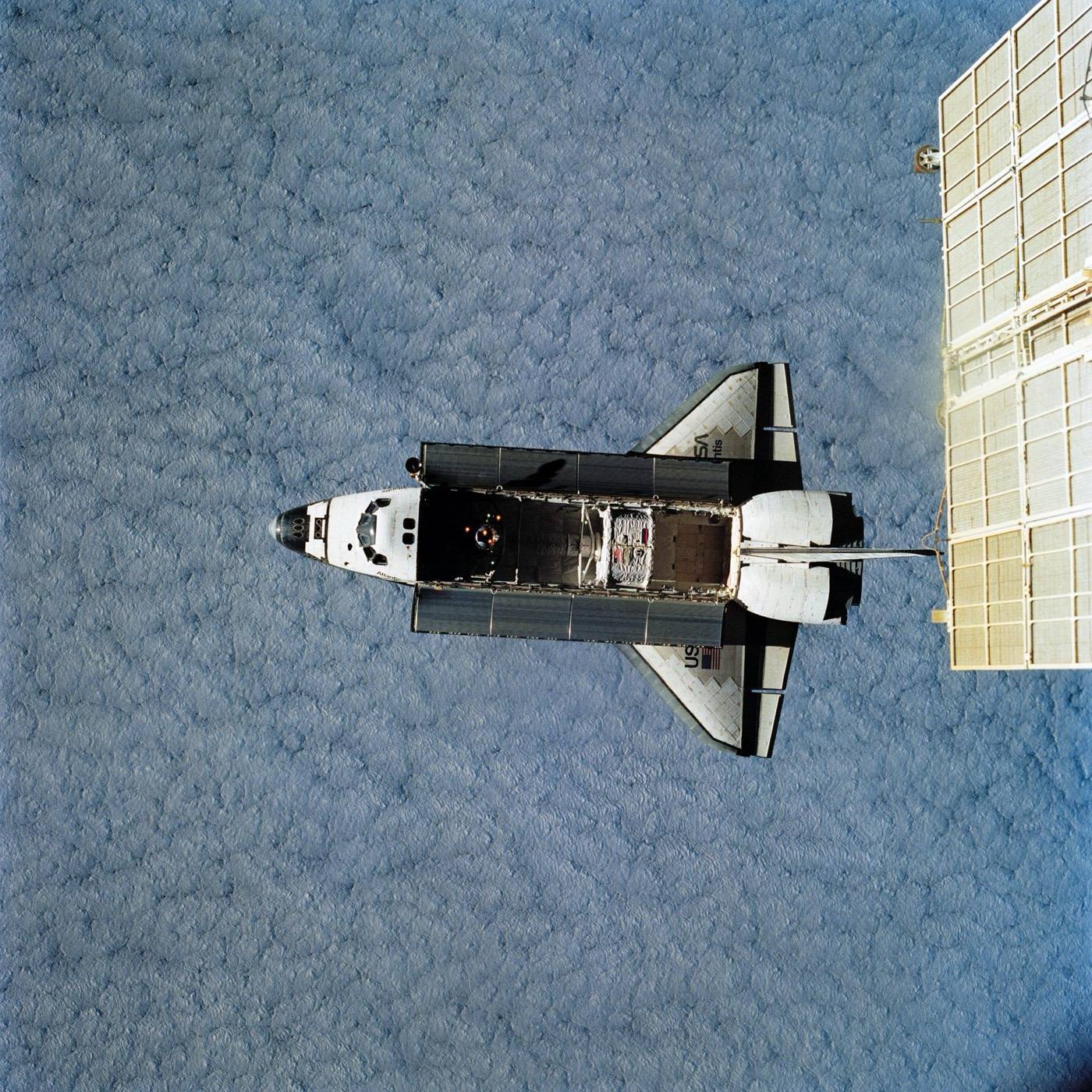
Technological advancements have dramatically changed the way we collect climate data. Satellites, for instance, provide a global view of atmospheric conditions, but interpreting this data is no small feat. The transition from ground-based measurements to satellite observations has opened new avenues for research, yet it also introduces a level of complexity that many may overlook. The algorithms that convert raw satellite data into usable information require meticulous calibration and constant updates to reflect changes in technology and understanding.
Moreover, the reliance on remote sensing technology raises questions about the accuracy of measurements. Critics argue that while satellites can offer a broad perspective, they may miss localized phenomena, thus presenting a skewed picture of climate conditions. This highlights the ongoing debate between advocates of traditional measurement methods and those pushing for a technologically driven approach.
Data Interpretation and Public Perception
Once the data is collected, the next challenge is interpretation. Scientists must sift through vast quantities of information to identify trends that indicate climate change. This process is inherently fraught with difficulty, as different models can yield different predictions based on the same data. The dialogue between scientists and the public often becomes muddled in this phase, as nuances in data interpretation can be lost in translation. Alarmist headlines can stoke public fear, while overly optimistic interpretations can lead to complacency.
The Political Landscape
The climate measurement debate often finds itself caught in the crossfire of political ideology. On one end, environmentalists push for aggressive action against climate change, often using data to bolster their arguments. On the other hand, skeptics question the validity of climate data, sometimes citing discrepancies in measurement techniques as justification for inaction. This polarization complicates the conversation, as both sides risk losing sight of the nuanced realities of climate science.
Excesses from the right often manifest as a dismissive stance towards climate data, viewing it as an inconvenience to economic growth. Conversely, the left can sometimes lean into alarmism, framing climate data as an existential crisis that demands immediate and radical solutions. This creates a scenario where the scientific basis for climate measurements becomes secondary to political agendas.
Moving Forward: A Call for Balance
As we navigate the complexities of climate measurement, it is essential to strike a balance between urgency and accuracy. The mechanisms behind climate data collection and interpretation deserve attention and respect, rather than being overshadowed by sensational narratives. The goal should not be to vilify or glorify the data but to foster a nuanced understanding that acknowledges both the limitations and the significance of climate science.
In this age of information saturation, it is critical for both scientists and journalists to engage in responsible communication. As the stakes of climate change continue to rise, we must ensure that the discourse surrounding climate measurement remains grounded in fact rather than fear or political expediency.
✦ ✦ ✦