From the file. Written for the paper dated June 1994. Opened in the public stacks July 14, 2026.
As the dust settles from the recent State of the Union address, the spotlight tends to shine brightly on the applause lines and partisan cheers. Yet, what often gets swept under the rug are the complexities and challenges that remain unaddressed.

The Missing Voices
In the aftermath of the President's address, the media quickly transitions to the next round of analysis, leaving behind critical issues that deserve more attention. The political environment is charged with excitement as both sides of the aisle scramble to claim victory on the points that resonated with their bases. However, the voices of those most affected by national policies often get drowned out in the cacophony of partisan rhetoric.
For instance, while economic growth is celebrated, the reality for many Americans is far from rosy. The gap between the affluent and the impoverished continues to widen, and the plight of the working class remains largely unaddressed. The administration's focus on tax cuts and deregulation may elicit cheers from corporate lobbyists, but it leaves many families wondering how they will make ends meet in an ever-increasing cost of living.
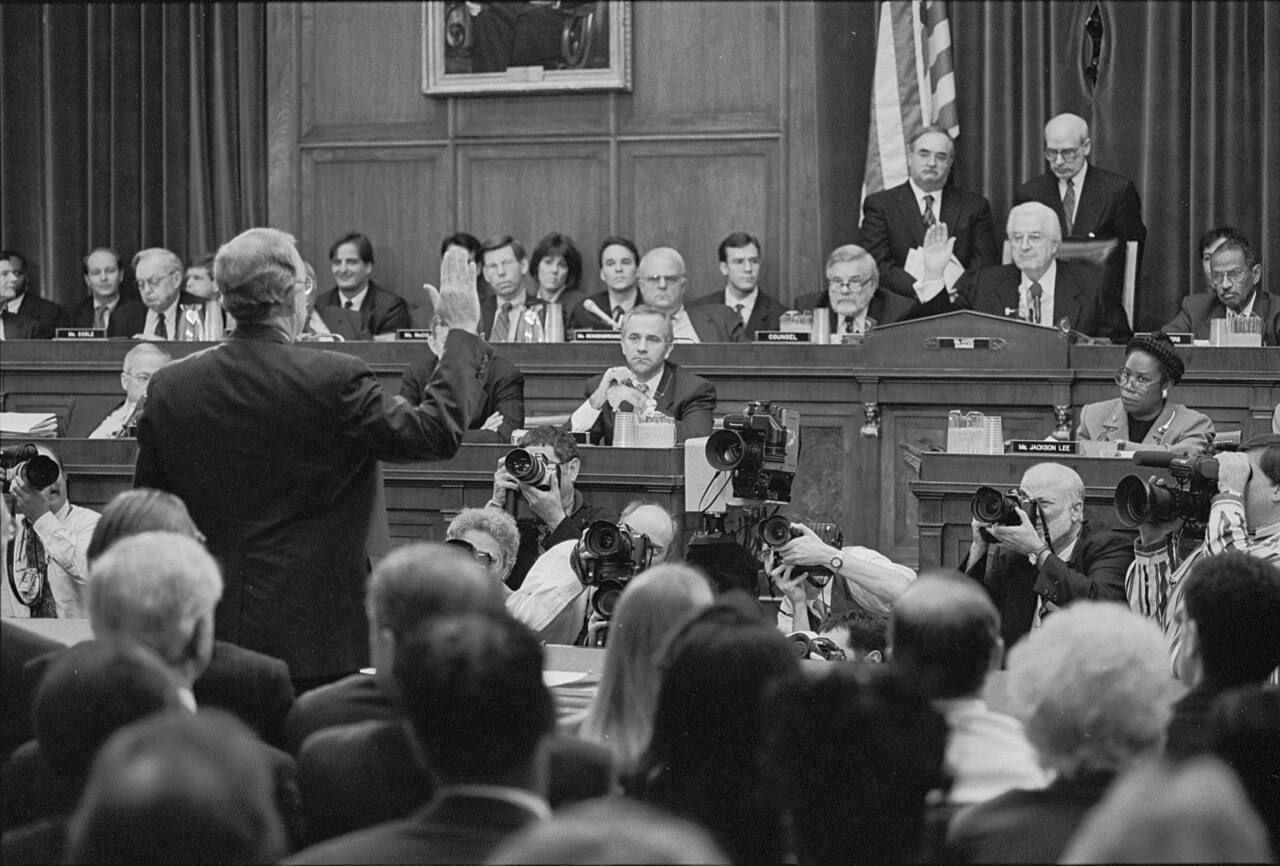
"Partisan cheers often drown out the voices of those most affected by national policies."
Right-Wing Excesses
The right's response to the State of the Union has been emblematic of its recent trends towards hyperbolic rhetoric and a refusal to engage with the reality of social issues. As the GOP capitalizes on perceived liberal overreach, it runs the risk of neglecting substantive dialogue on topics such as healthcare and education reform. Instead, we are met with a barrage of sound bites that demonize welfare recipients and paint a simplistic picture of social issues.
It is essential to recognize that while criticisms of government spending can be valid, they often ignore the systemic issues that contribute to poverty and inequality. The focus should not solely be on cutting programs but rather on finding innovative solutions that empower individuals and families. Yet, the right seems more invested in scoring political points than addressing these critical matters with the seriousness they deserve.
Left-Wing Oversight
Conversely, the left's response to the State of the Union has been characterized by its own excesses. Instead of advocating for grounded solutions, some factions have resorted to identity politics, focusing on division rather than unity. While it is crucial to address the disparities faced by marginalized communities, the conversation often becomes overshadowed by a rhetoric that can alienate potential allies.
This fixation on identity can lead to a neglect of broader economic policies that affect all Americans. For instance, discussions around universal healthcare are often framed through a lens of moral superiority rather than practical implementation. The left must find a way to balance its passion for social justice with actionable strategies that resonate across the political spectrum.
A Call for Nuanced Dialogue
As we navigate the post-State of the Union landscape, it is imperative that both sides of the political spectrum engage in nuanced dialogue. Acknowledging the complexity of issues like healthcare, education, and social welfare is essential if we are to forge a path forward that benefits all Americans.
Both parties must resist the temptation to retreat into their respective echo chambers. Instead of merely critiquing each other's positions, there should be a concerted effort to find common ground. This may require setting aside some partisan pride in favor of collaborative problem-solving.
Conclusion
In the aftermath of the State of the Union, we must challenge ourselves to look beyond the surface-level rhetoric and examine the issues that truly matter. The path to progress does not lie in partisan victories but in a commitment to understanding and addressing the needs of our citizens. Only through genuine dialogue can we hope to create a more equitable and just society.
✦ ✦ ✦