From the file. Written for the paper dated June 1994. Opened in the public stacks July 14, 2026.
In the fast-paced world of economic reporting, factory orders often serve as a critical barometer of industrial health. However, our recent analysis of the latest figures reveals that the prevailing narratives, both from the left and the right, frequently overlook essential components of this economic equation.
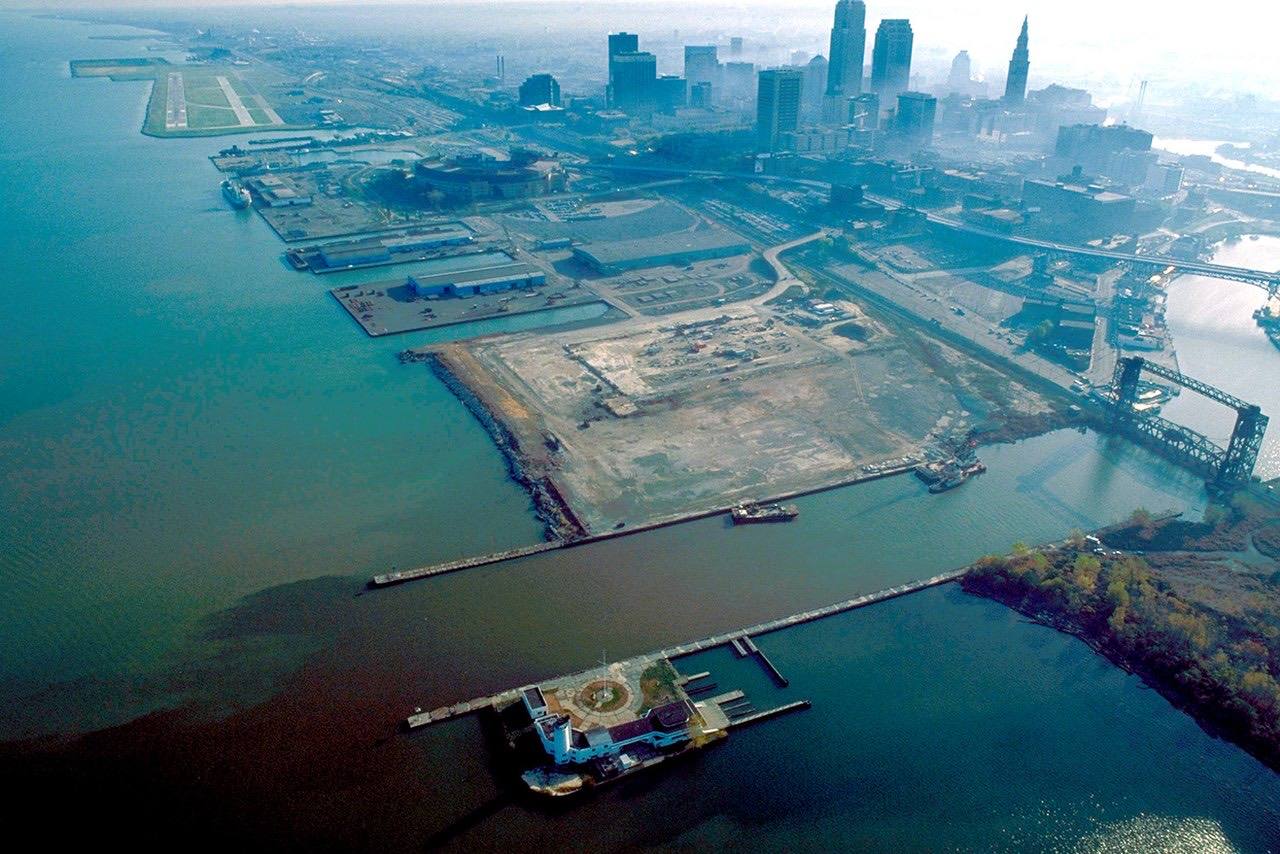
Understanding Factory Orders
Factory orders provide valuable insights into the economy's direction, indicating how much manufacturers are producing and how much demand there is for their products. For many, these numbers are the bread and butter of economic forecasting. Yet, as we sift through the data, it's crucial to recognize what is often left unsaid in the mainstream discourse surrounding these figures.
"Too often, the debate around factory orders is reduced to sound bites that ignore the complexities of the manufacturing sector."
The Left's Oversight: Emphasis on Job Creation
The political left has a tendency to celebrate increases in factory orders as a direct victory for job creation and economic growth. While job opportunities are undoubtedly vital, this narrative can gloss over significant underlying issues. For instance, the quality of jobs created is frequently sidelined. Many positions that accompany rising factory orders are part-time or contract work, lacking the benefits and stability that full-time employment offers.

Moreover, the left’s portrayal often fails to account for the geographic disparities in manufacturing growth. Urban centers may see a surge in factory orders, yet rural areas can remain stagnant or even decline. Thus, while the numbers may suggest a flourishing economic landscape, they often mask the uneven recovery experienced by various communities.
The Right's Focus: Market Forces and Deregulation
On the flip side, conservative commentators often credit deregulation and free-market policies for any positive uptick in factory orders. This narrative, while compelling in its promotion of individualism and entrepreneurship, can neglect to address the critical role of government support and economic stability in fostering manufacturing growth. The reality is that many factories rely on public investment, infrastructure, and workforce training programs that the private sector alone cannot provide.
Furthermore, the right tends to overlook the environmental costs associated with increased production. The drive for profits and expansion can lead to neglect of sustainable practices, ultimately harming both the economy and the environment in the long run. Such complexities are often swept aside in favor of straightforward praise for market-driven successes.
The Role of Technology and Innovation
Both sides of the political spectrum frequently miss the importance of innovation in the manufacturing sector. The increasing integration of technology into production processes has transformed the landscape of factory orders. This transformation has made it possible for companies to produce more with fewer workers, leading to increased efficiency but also raising concerns about job displacement.
As we analyze the factory orders, it is essential to consider how technological advancements are reshaping the workforce and what this means for future employment opportunities. Adapting to these changes requires a nuanced discussion about retraining workers and investing in education, rather than the oversimplified narratives often presented in political rhetoric.
Looking Ahead
As we move forward, the discourse surrounding factory orders must evolve. Economists, policymakers, and journalists alike should strive for a more comprehensive understanding that incorporates job quality, geographic disparities, the role of innovation, and environmental sustainability. Only by addressing these complexities can we form a truly informed view of our manufacturing sector's health.
Conclusion
In this era of heightened political polarization, it is incumbent upon us to rise above the fray and seek out the truth behind the numbers. Factory orders tell a story far richer than the simple proclamations of victory or defeat offered by the left and right. It is our duty as journalists to unpack these nuances and inform our readers with the depth and complexity they deserve.
✦ ✦ ✦