From the file. Written for the paper dated April 1994. Opened in the public stacks July 14, 2026.
In an era defined by both scientific marvel and public skepticism, the latest images from the Hubble Space Telescope have sparked a fervor that highlights a troubling trend: certainty seems to be selling briskly, often at the expense of nuanced understanding.
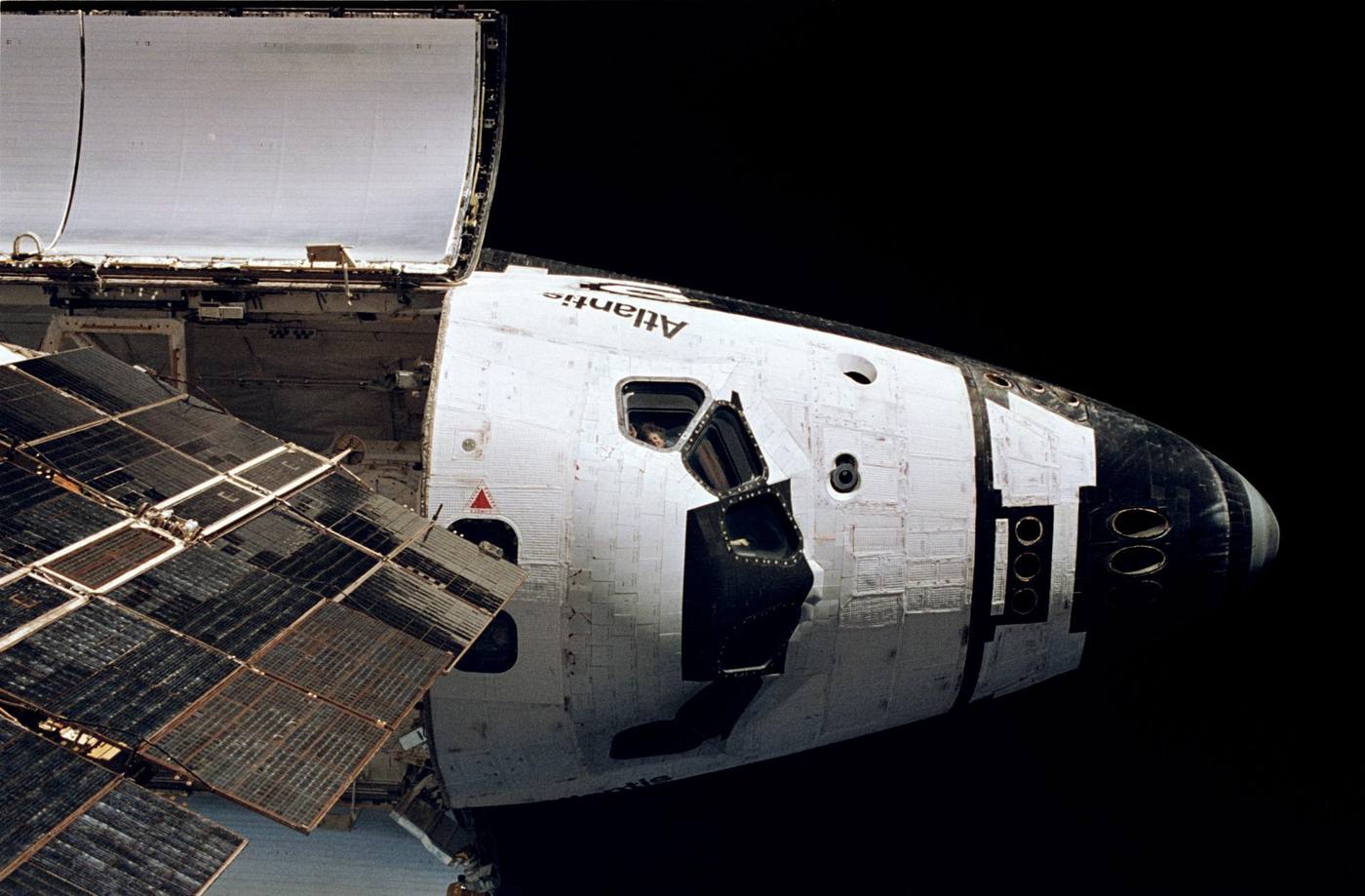
The Hubble’s Vision
The Hubble Space Telescope, launched in 1990, has given us breathtaking views of the cosmos, from the intricate details of distant galaxies to the vibrant colors of nebulae. These images are not just pretty pictures; they are vital data points that help astronomers unravel the mysteries of our universe. Yet, as we admire this scientific achievement, we must also confront the growing culture of certainty that surrounds it.
Recent images have been heralded as "definitive proof" of various astronomical phenomena. But in truth, science is rarely definitive. It is a process of continuous inquiry and revision. The Hubble’s findings are interpretable and often contested. Yet, the media and segments of the public seem eager to latch onto these images as final answers to complex questions.
"In science, certainty is a mirage; the quest for knowledge is fraught with ambiguity."
The Left’s Love for Certainty
On the left, a certain zealotry has emerged, particularly in discussions surrounding environmental issues and climate change. Advocates have taken the Hubble's stunning visuals to bolster claims of an impending ecological doom, often neglecting the uncertainties that still exist within the scientific community. This approach may galvanize support, but it risks alienating moderate voices who recognize the complexity of these issues.
By painting an apocalyptic picture, some environmentalists might inadvertently undermine their cause. If the public feels overwhelmed by a narrative that lacks room for discussion, they may reject even valid concerns about our planet's wellbeing. The Hubble’s images could serve as a rallying cry, but when certainty is overstated, the message can become counterproductive.
The Right's Reactionary Certainty
Conversely, the right has often responded to scientific revelations with skepticism, branding the scientific community as alarmists. This reactionary stance has emerged prominently in debates surrounding health, environment, and technology. In dismissing the significance of the Hubble’s contributions, some conservative voices advocate for a return to a more simplistic worldview, where scientific inquiry is viewed with suspicion.
This dismissal of scientific rigor not only stifles progress but also sets a dangerous precedent. If we allow ourselves to reject the very foundations of evidence-based inquiry, we risk losing the ability to respond effectively to challenges such as climate change or public health crises. The right's insistence on certainty can be just as damaging as the left's overreaching claims, leading to a polarization that stifles constructive dialogue.
The Need for Nuance
As we stand at the intersection of science and public understanding, it is essential to advocate for nuance over certainty. For every stunning image released by the Hubble, there must be a companion effort to explain the complexities behind it. Scientists should strive to communicate their findings in a way that acknowledges ongoing debates and uncertainties, rather than presenting them as indisputable facts.
Moreover, the media has a crucial role in shaping public perceptions. Sensational headlines that proclaim "answers" to cosmic questions can mislead audiences. Instead, reporters should emphasize the process of exploration and the provisional nature of scientific knowledge. By fostering a culture of curiosity rather than certainty, we can engage the public in a meaningful way.
Moving Forward
The Hubble Space Telescope will continue to provide us with awe-inspiring images, but it is the responsibility of both scientists and communicators to ensure these findings are contextualized within the broader scientific discourse. As we marvel at the wonders of the universe, let us not lose sight of the essential truth: science is a journey, not a destination.
In this journey, both the left and the right must find common ground. Acknowledging the complexities inherent in scientific inquiry can bridge the divide and promote a more informed public dialogue. As we look to the stars, let us also look to each other, embracing our shared pursuit of knowledge with humility and openness.
✦ ✦ ✦