From the file. Written for the paper dated January 1994. Opened in the public stacks July 14, 2026.
As the nation grapples with various health crises, the response to epidemics has become a hotbed of debate, revealing both the strengths and weaknesses of our current public health infrastructure.

Epidemic Responses: A Tale of Two Extremes
The recent surge in discussions surrounding epidemic response has placed a spotlight on both the left's and the right's handling of health issues. Each side seems to be veering towards extremes that overshadow the middle ground necessary for effective public health management. On one side, we have the left, advocating for comprehensive programs that often come with heavy government intervention. On the other, the right pushes for privatization and market-driven solutions, often neglecting the vulnerable populations that need care the most.
Advocates on the left argue that the government's role is pivotal in ensuring that health crises are managed effectively through robust public health initiatives. They support increased funding for health departments and the implementation of universal health care to guarantee access for all citizens. However, this approach can lead to a bloated bureaucratic system that is slow to respond to emergencies, as seen in previous health crises where red tape has delayed critical responses.
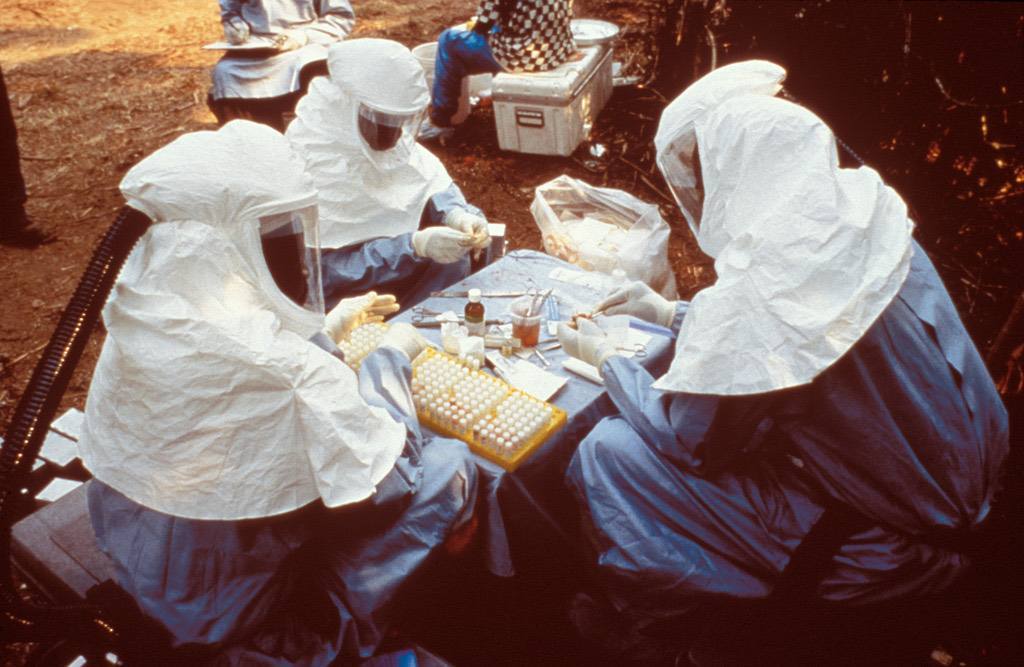
Meanwhile, the right emphasizes the efficiency of private sector solutions, suggesting that competition will lead to better health outcomes. This philosophy, while appealing in theory, can result in a lack of coordination and equity in health service distribution. Those who cannot afford private care are often left to fend for themselves, exacerbating public health issues rather than alleviating them.
“In the battle against epidemics, a balanced approach is not just preferred; it is essential.”
Lessons From Recent Epidemics
Recent outbreaks, such as the resurgence of tuberculosis and the spread of HIV/AIDS, illustrate the complexities involved in epidemic response. The public health system is currently under pressure to innovate and adapt strategies that are both effective and equitable. The left's push for funding programs aimed at prevention and treatment is commendable, but it must be accompanied by accountability and efficiency.
On the flip side, the right's market-driven approach has shown that while it may foster innovation, it often leaves behind marginalized communities. In the context of an epidemic, this can be catastrophic. The reality is that health issues do not discriminate based on income or socioeconomic status, and neither should our response.
The Role of Education and Awareness
One of the most critical aspects of epidemic response is education. The public must be informed about health risks and preventive measures. Here, both sides can find common ground. The left can support educational initiatives that empower communities, while the right can advocate for partnerships with private organizations to disseminate information effectively. The result can be a well-informed public that is better equipped to handle health crises.
A Call for Collaboration
The current climate calls for a collaborative approach that integrates the strengths of both sides. This means creating a healthcare system that not only values efficiency and innovation but also prioritizes access and equity. Policymakers must seek solutions that bridge the divide between public and private sectors to ensure that all citizens receive the care they need, particularly in times of crisis.
Moreover, as we face the reality of emerging infectious diseases and the potential for new epidemics, it is imperative that our leaders prioritize a cohesive strategy that is rooted in science, compassion, and pragmatism. The time for ideological battles must give way to a unified front that can effectively respond to health emergencies.
Conclusion: Finding the Middle Path
In conclusion, the debate over epidemic response is not merely an ideological one; it is a matter of life and death for many. By rejecting the extremes of both sides, we can forge a path forward that is both practical and humane. As the nation continues to confront these pressing health issues, it is essential that we rally around a shared commitment to protect the health of all citizens.
✦ ✦ ✦