From the file. Written for the paper dated December 1993. Opened in the public stacks July 14, 2026.
As the nation grapples with a significant vacancy in the judiciary, it is essential to sift through the rhetoric and examine the hard numbers behind the debate.

The Current Landscape of Judicial Vacancies
The issue of judicial vacancies has become increasingly prominent in political discourse, particularly as President Bill Clinton seeks to fill critical positions within the federal court system. The latest statistics indicate that there are currently over 60 vacancies across various levels of the judiciary, a number that has raised eyebrows and ignited fierce debates on both sides of the aisle.
Supporters of the President argue that these vacancies are a direct result of the previous administration's failure to appoint judges and that Clinton is now faced with the daunting task of balancing the courts with qualified candidates. Critics, however, contend that the President has not moved swiftly enough to address these vacancies, which they believe can lead to a backlog of cases and a strain on the legal system.
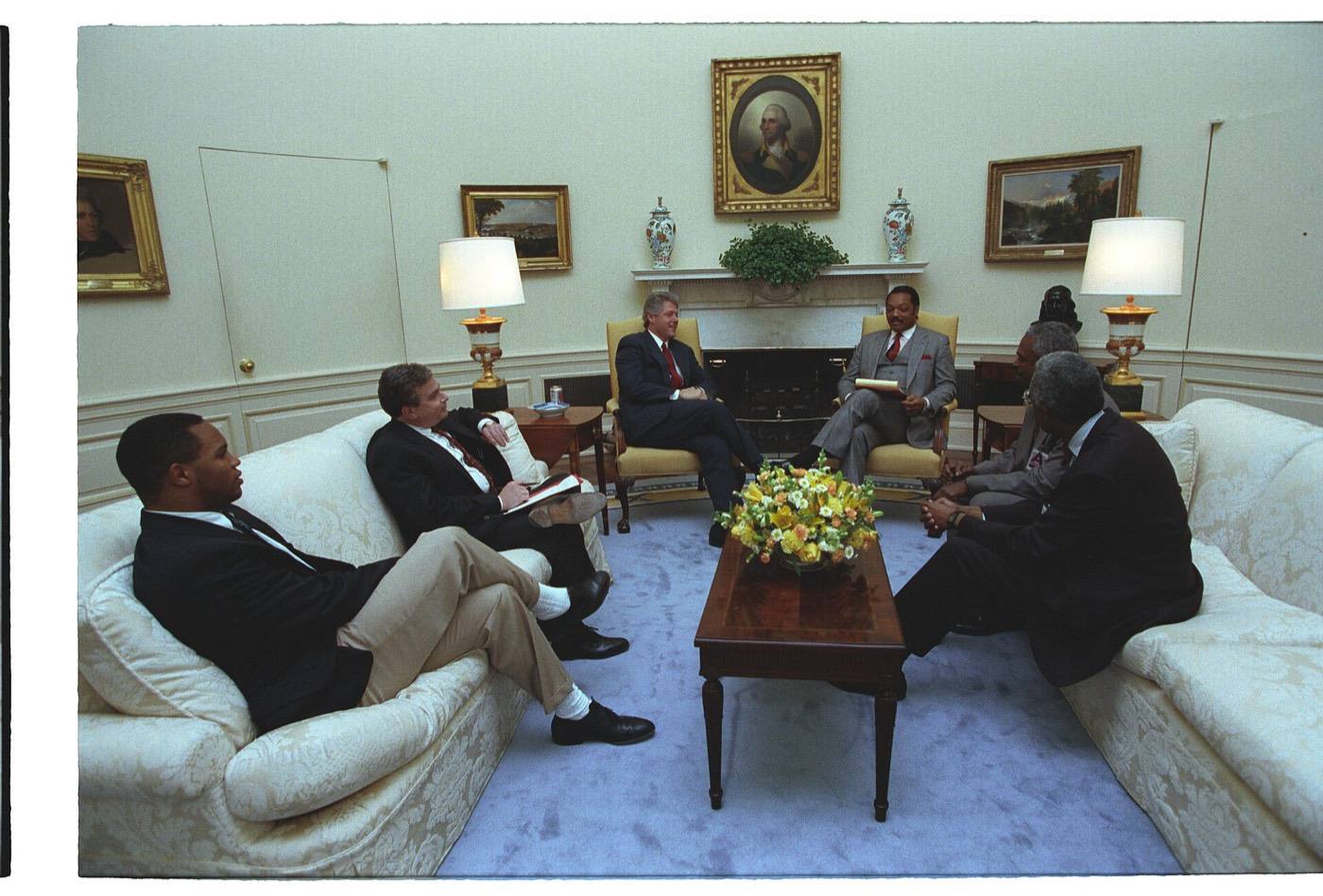
"Judicial vacancies are a serious concern, but let's not forget that both parties have played a role in creating this situation." - Unnamed Legal Scholar
Political Posturing vs. Genuine Concern
What is particularly frustrating about the current situation is how both the left and the right are utilizing judicial vacancies for political gain. Democrats accuse Republicans of obstructionism, claiming that they have stalled appointments under the guise of careful vetting. Conversely, Republicans argue that Clinton's judicial nominees lack the necessary credentials and ideological balance.
While there is merit to both positions, the excessive politicization of the judiciary is troubling. This branch of government should be insulated from the partisan bickering that has become the norm in Washington. The public deserves a judiciary that reflects a commitment to justice, not one that is merely a pawn in a political game.
The Impact of Vacancies on Justice
The implications of these judicial vacancies extend beyond just the political realm. With courts operating at partial capacity, many cases are being postponed, and in some instances, justice is delayed for those who depend on timely resolutions. Access to justice is a fundamental right, and when the system is unable to function efficiently, it undermines public confidence in the rule of law.
This concern is compounded by the fact that the judicial nominations process has become increasingly contentious. Just this year, the Senate has seen numerous filibusters over judicial nominees, effectively stalling many appointments. The longer these vacancies remain, the more the entire system of justice is put at risk.
Finding Common Ground
So, what can be done to address this burgeoning crisis? It is imperative for both parties to come to the negotiating table and prioritize the filling of these vacancies over political posturing. A collaborative approach could lead to the confirmation of well-qualified candidates who are committed to upholding the law while reflecting a diverse range of perspectives.
Moreover, the public must demand accountability from their representatives. Voter engagement in the judicial nomination process could help to press both parties to act more responsibly and with greater urgency. Ultimately, it is the responsibility of every citizen to advocate for a judiciary that operates effectively and fairly, free from the shackles of political maneuvering.
Conclusion: A Call to Action
As the debate over judicial vacancies continues, it is crucial to remember that the judiciary is not merely a political battleground but a cornerstone of our democracy. The numbers show a troubling trend, but they also present an opportunity for reform and collaboration. By prioritizing the filling of these vacancies, we can ensure that justice is not just a privilege for the few but a right for all.
✦ ✦ ✦