From the file. Written for the paper dated November 1993. Opened in the public stacks July 14, 2026.
As the headlines fade, the realities of the global supply chain have taken center stage in the world of commerce, revealing a landscape shaped by both uncertainty and opportunity.

The Supply Chain Conundrum
The recent tumult in international trade has underscored the fragility of supply chains across various industries. From electronics to textiles, companies are grappling with the fallout of factors including geopolitical tensions, fluctuating tariffs, and natural disasters. Yet, amidst this uncertainty, one certainty reigns supreme: businesses are scrambling to secure their supply chains more than ever before.
In the past few months, we have seen companies reassessing their relationships with suppliers, establishing contingency plans, and investing in logistics technology. The goal is simple: to mitigate risks that could disrupt their operations. This urgent need for reliability has driven a brisk market for supply chain solutions, from consulting services to software that promises enhanced visibility and control over inventory.
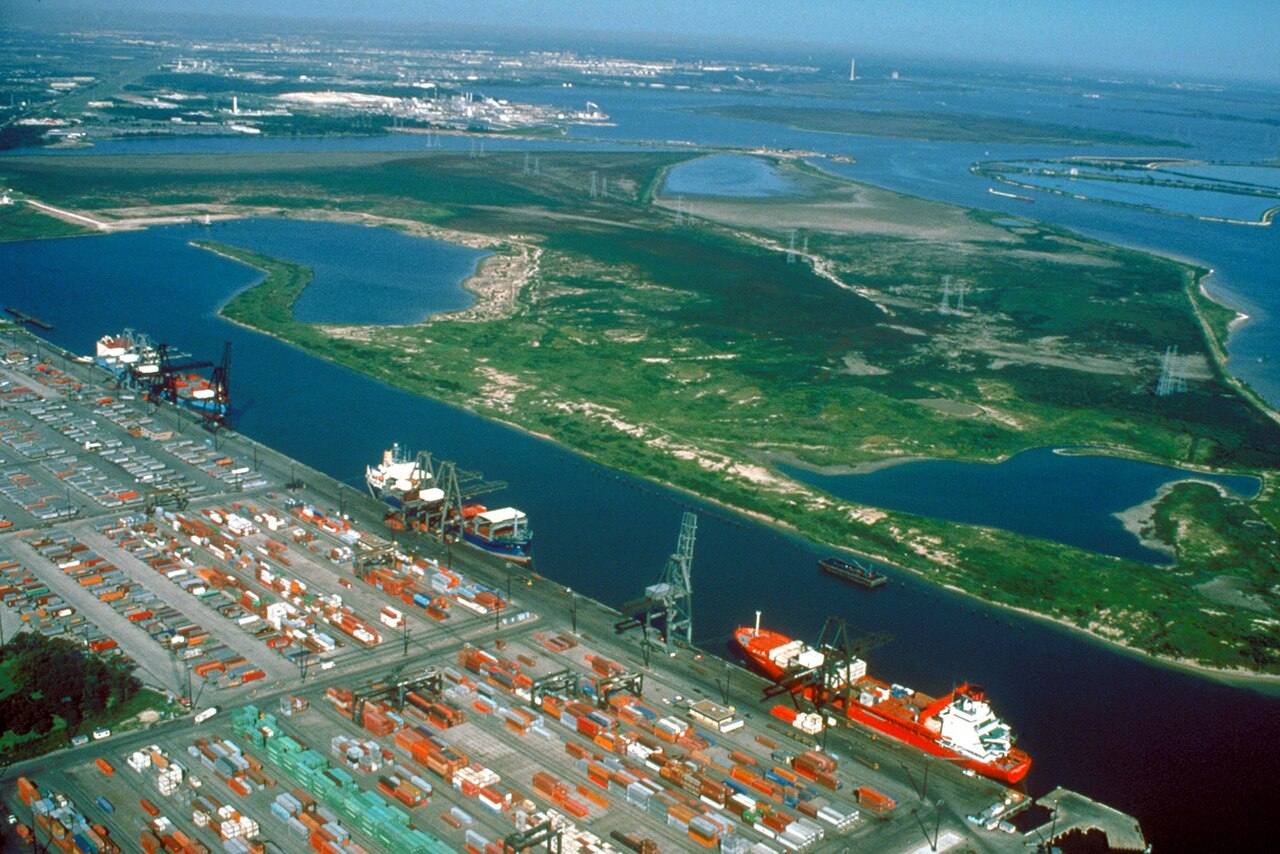
Left vs. Right: The Supply Chain Debate
As businesses navigate these challenges, an ideological battle is brewing over the best approach to handle supply chains. On one side, the left argues for increased government regulation and oversight, suggesting that a more centralized approach could provide stability in a chaotic market. They advocate for policies that would support domestic manufacturing and reduce reliance on foreign suppliers, thereby safeguarding jobs and ensuring a more stable supply of goods.
However, such measures can often lead to overreach, stifling innovation and increasing costs for consumers. Critics from the right contend that too much government interference could lead to inefficiencies, arguing that the free market should dictate supply chain dynamics. This perspective emphasizes the importance of competition and entrepreneurial spirit, allowing businesses to adapt and thrive in an ever-changing landscape.
"The tug-of-war between regulation and free market ideals is shaping the future of supply chains."
As both sides present their cases, it becomes clear that the solution lies not in extreme positions but rather in a balanced approach that acknowledges the strengths and weaknesses of each viewpoint. Companies are beginning to realize that flexibility and adaptability are keys to success, regardless of the political landscape.
Globalization: A Double-Edged Sword
The ongoing debate over supply chains is further complicated by the forces of globalization. While many have celebrated the economic growth that global trade has brought, it has also exposed vulnerabilities. The recent surge in shipping costs and delays in freight movement has highlighted how interconnected our supply chains have become. A disruption in one part of the world can have ripple effects across the globe, impacting businesses and consumers alike.
In some cases, companies have been forced to pivot their strategies, opting for local sourcing to reduce dependency on distant suppliers. This trend could potentially lead to a resurgence of domestic industries, fostering job creation and economic stability. Yet, such strategies are not without their challenges, including higher production costs and limited access to certain materials.
Looking Ahead: The Future of Supply Chains
As we move forward, businesses need to remain vigilant and proactive. The lessons learned from current supply chain disruptions should serve as a catalyst for innovation and improvement. Companies that invest in technology and embrace flexibility will be better positioned to navigate future uncertainties.
Moreover, a collaborative approach between the public and private sectors could foster a more resilient supply chain ecosystem. By working together, we can strengthen our economy and ensure that we are better prepared to face the challenges of tomorrow.
In conclusion, the evolving landscape of supply chains demands our attention. As businesses grapple with uncertainty, it is imperative to strike a balance between regulation and free market principles. By doing so, we can create a robust supply chain that serves the needs of all stakeholders while fostering economic growth and stability.
✦ ✦ ✦