From the file. Written for the paper dated September 1993. Opened in the public stacks July 14, 2026.
As the headlines about economic recovery fade, the reality of retail sales paints a more complex picture, revealing a quiet failure of oversight that demands scrutiny.
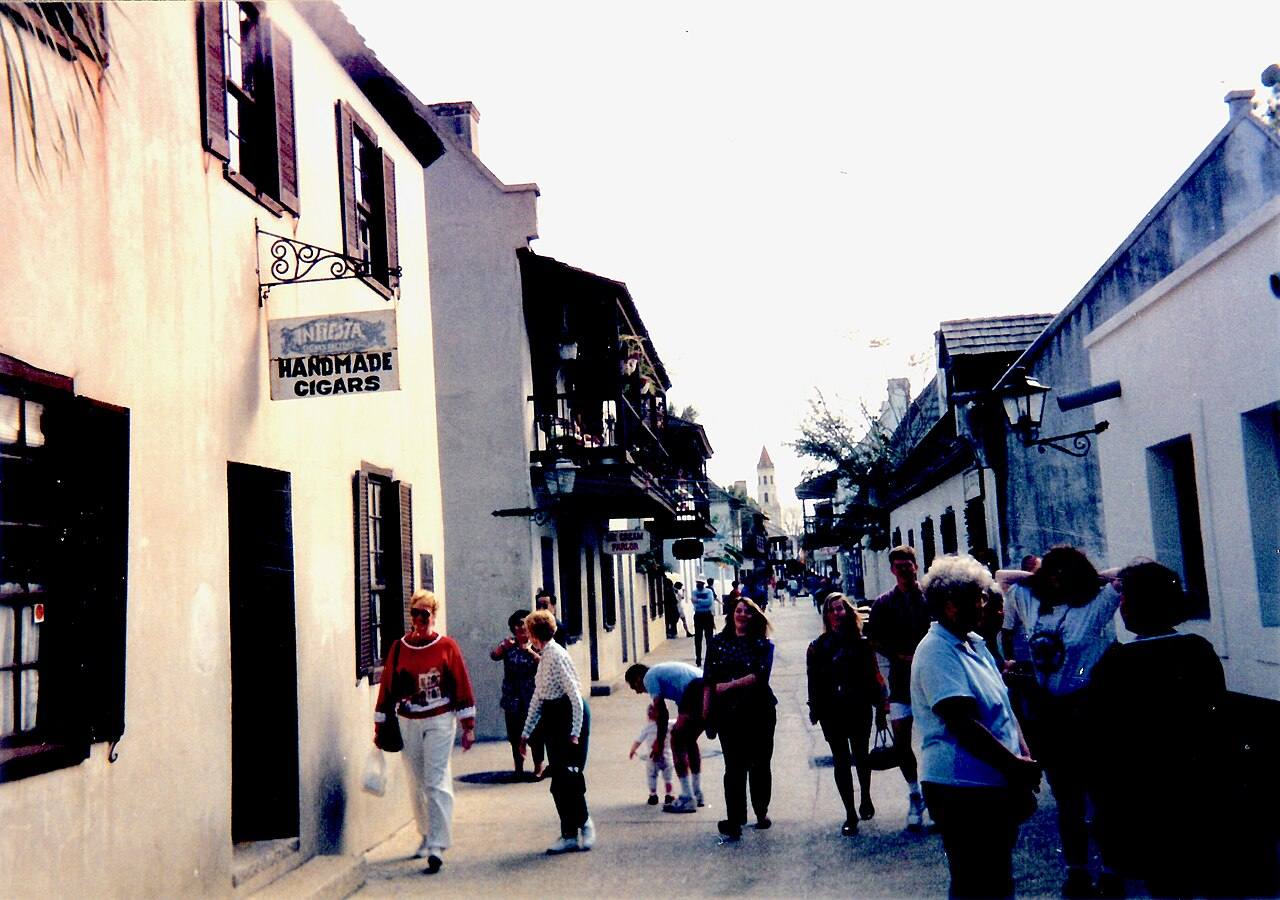
Retail Sales Trends: The Surface and the Depths
In recent months, reports have heralded a revival in retail sales, bolstered by a booming economy and increased consumer confidence. Yet beneath the surface of these optimistic headlines lies a troubling narrative of inconsistencies and failures in oversight that could have significant implications for the future of the American retail landscape.
As we dissect the latest retail sales figures, we must recognize the disparity between the data and the lived experiences of consumers. Reports indicate a rise in sales, particularly in sectors like apparel and electronics, but what is often overlooked is the context in which these numbers exist. Many consumers are still dealing with stagnant wages and rising costs of living that leave little room for discretionary spending.
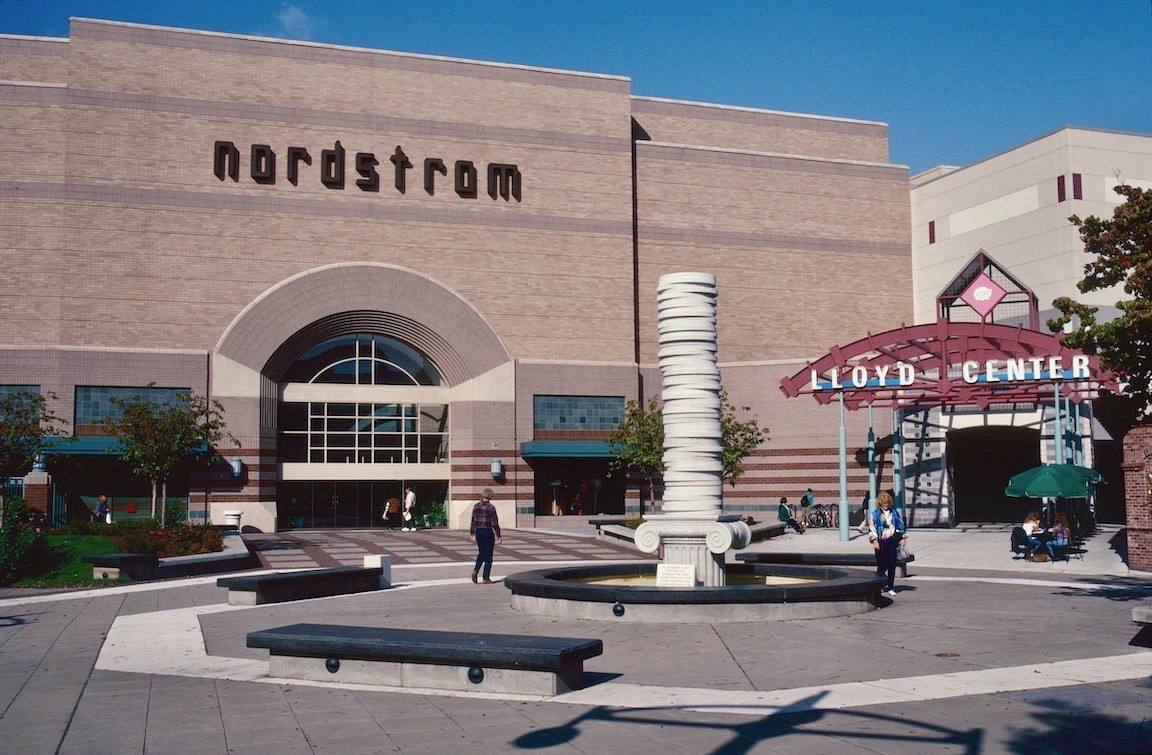
"The headlines may celebrate retail growth, but the everyday consumer is still feeling the pinch."
The Left's Overreach: Short-Sighted Solutions
On the left, there is a tendency to ascribe the retail revival solely to government intervention and social programs. While initiatives like the Family and Medical Leave Act and various welfare programs aim to support struggling families, they can also mask deeper issues within the economy. The administration's focus on broad solutions fails to address the specific challenges faced by retailers, particularly small businesses that are often overlooked in favor of larger corporations. This approach risks creating a reliance on government aid rather than fostering true economic independence.
The Right's Blind Spots: Deregulation and Its Consequences
Conversely, the right's push for deregulation and tax cuts has not delivered the promised boon to small retailers. While large corporations enjoy the benefits of market dominance, smaller shops are left to grapple with the consequences of a marketplace that increasingly favors the powerful. The push for free-market policies without adequate safeguards has led to a situation where consumer choice is often limited to a few major players, stifling competition and innovation.
The Implications of Oversight Failure
The lack of effective oversight in both policy and practice has created an environment where the retail sector is at risk. A failure to regulate large corporations properly has resulted in monopolistic practices that harm consumer choice. Likewise, the absence of support for small businesses has led to a landscape where innovation and diversity are stifled. This neglect is not just an economic issue; it reflects a broader societal challenge that requires immediate attention.
As consumers navigate this retail environment, they face a paradox: while they are told that the economy is thriving, their personal experiences tell a different story. The disconnect between reported sales figures and the reality of everyday life illustrates the need for a critical reevaluation of both left and right policies. We must ask ourselves: who truly benefits from this so-called recovery?
Conclusion: A Call for Balanced Solutions
In the quest for a vibrant retail sector, both sides of the political spectrum must move beyond their entrenched positions. The left must acknowledge the limitations of government intervention while the right needs to recognize the necessity of regulation to protect smaller players in the market. Only through a balanced approach can we ensure a truly competitive retail environment that serves all Americans.
✦ ✦ ✦