From the file. Written for the paper dated August 1993. Opened in the public stacks July 14, 2026.
As the nation grapples with its response to the recent disaster declaration in several states, it becomes increasingly clear that both sides of the political spectrum are engaging in a tug-of-war that is more about their ideological battles than about the needs of the American people.
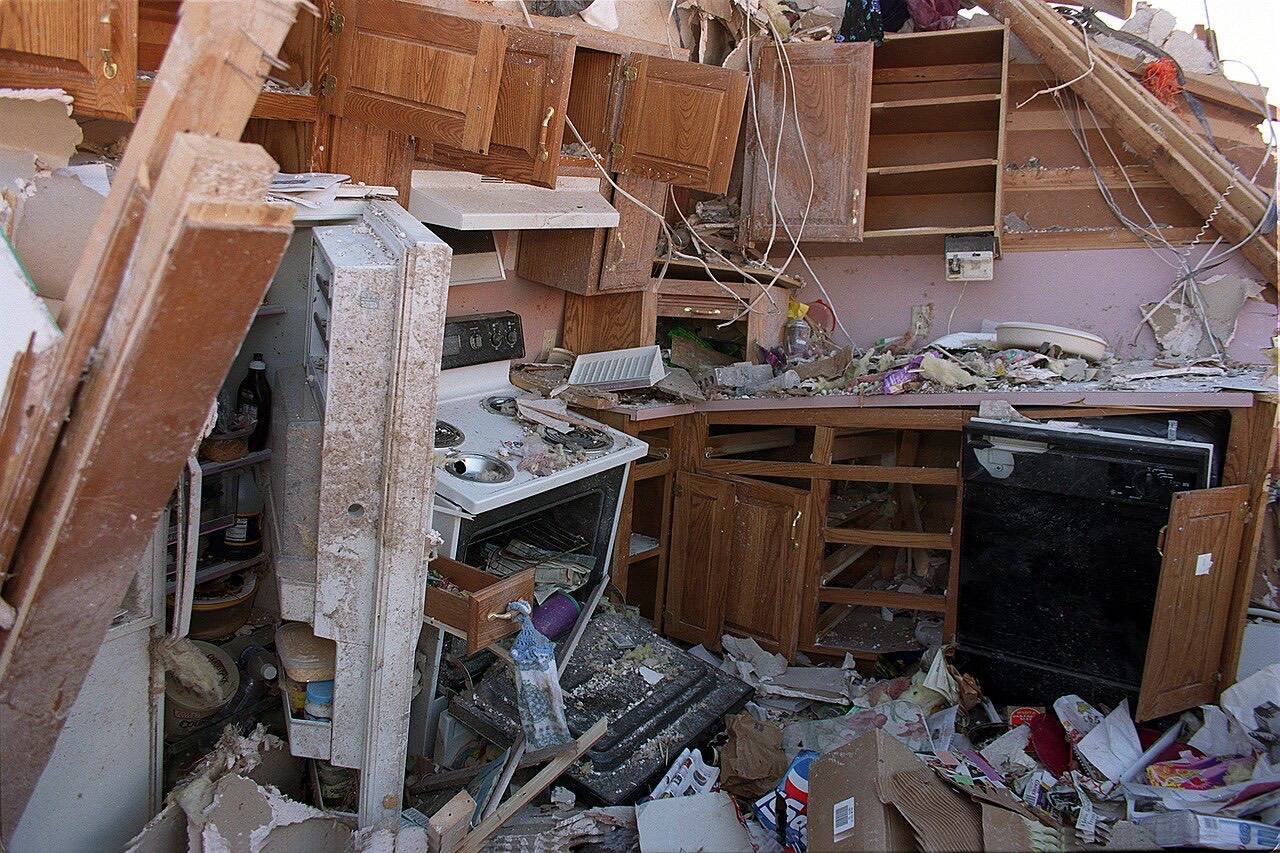
The Context of the Disaster Declaration
In the wake of devastating storms that have left communities in ruins, the federal government has moved to declare a disaster in affected areas. This action is crucial for unlocking funds and resources that will assist in recovery efforts. Yet, as the political machinery gears up, we witness an all-too-familiar pattern where the crisis becomes a platform for partisan bickering.
“In times of disaster, we should come together, not pull apart.”
On one side, the left is quick to frame the disaster as a failure of the current administration, using it as a means to bolster their critiques of government responsiveness. They argue that the disaster declaration should have come sooner and that the administration's slow response is emblematic of a broader neglect. While their concerns about government accountability are valid, their eagerness to politicize tragedy can detract from the actual recovery efforts that are desperately needed.
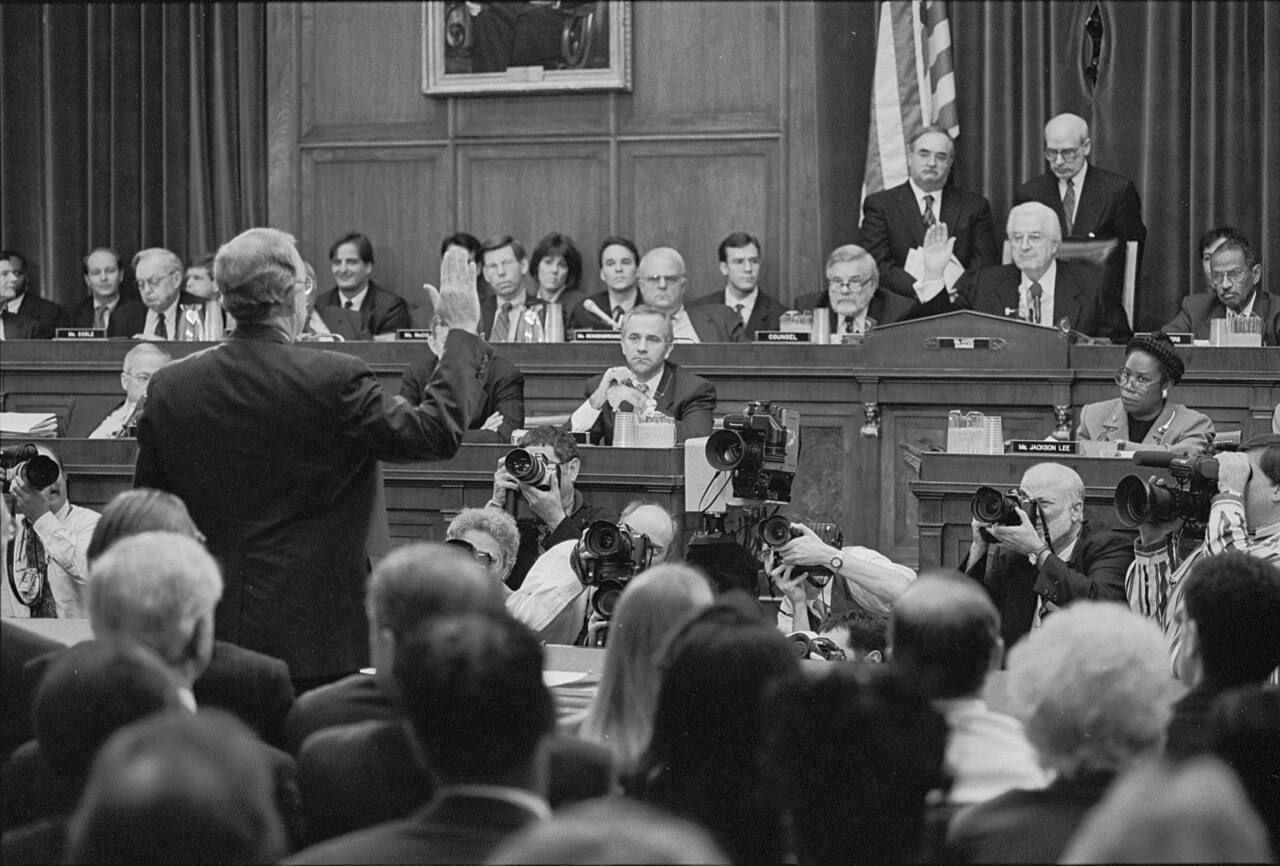
Meanwhile, the right has taken to defending the administration with fervor, dismissing valid critiques as mere political opportunism. They argue that the declaration was timely and that the administration has acted responsibly under pressure. However, this defense often glosses over the real suffering of individuals affected by the disaster. Instead of showing empathy and offering constructive solutions, some on the right seem more concerned with maintaining a narrative of competence, even when the evidence suggests otherwise.
The Danger of Partisanship in Crisis
The danger in such political maneuvering is that it can overshadow the immediate needs of those affected by disasters. When leaders use crises to score points against each other, it can create a disconnect between the political class and the public. As the nation faces significant challenges, it is essential that both sides remember their fundamental responsibility: to serve the people.
Furthermore, there is a troubling trend of both sides being overly reactive rather than proactive. The left, in its zeal to critique, often overlooks the potential for collaboration. Initiatives that could unite lawmakers in a common cause are instead met with suspicion and hostility. The right, on the other hand, sometimes retreats into a defensive posture, which stifles any meaningful dialogue about how to improve disaster response systems.
Finding Common Ground
It is vital for both parties to engage in a more constructive dialogue about disaster preparedness and response. The federal government should not only serve as a reactive force in times of emergency but also take proactive measures to enhance resilience in vulnerable communities. This means investing in infrastructure, disaster training, and community support systems that can mitigate the impacts of future disasters.
“We can do better, and we must do better.”
Leadership should reflect a commitment to working together for the common good. In the face of disaster, there are opportunities for bipartisan cooperation that should not be squandered. Addressing the root causes of vulnerability and developing a comprehensive strategy for disaster management can garner support from both sides of the aisle.
A Call to Action
The recent disaster serves as a wake-up call for all of us. Rather than allowing our political affiliations to dictate our responses, we must prioritize the needs of our fellow citizens. Those who are suffering deserve more than just words; they need action. It is time for our leaders to rise above the fray and demonstrate that they can put aside their differences for the sake of those in need.
✦ ✦ ✦