From the file. Written for the paper dated July 1993. Opened in the public stacks July 14, 2026.
The recent approval by the FDA of certain drugs and treatments has sparked a heated dialogue, but beneath the headlines lies a complex process that often goes unexamined.
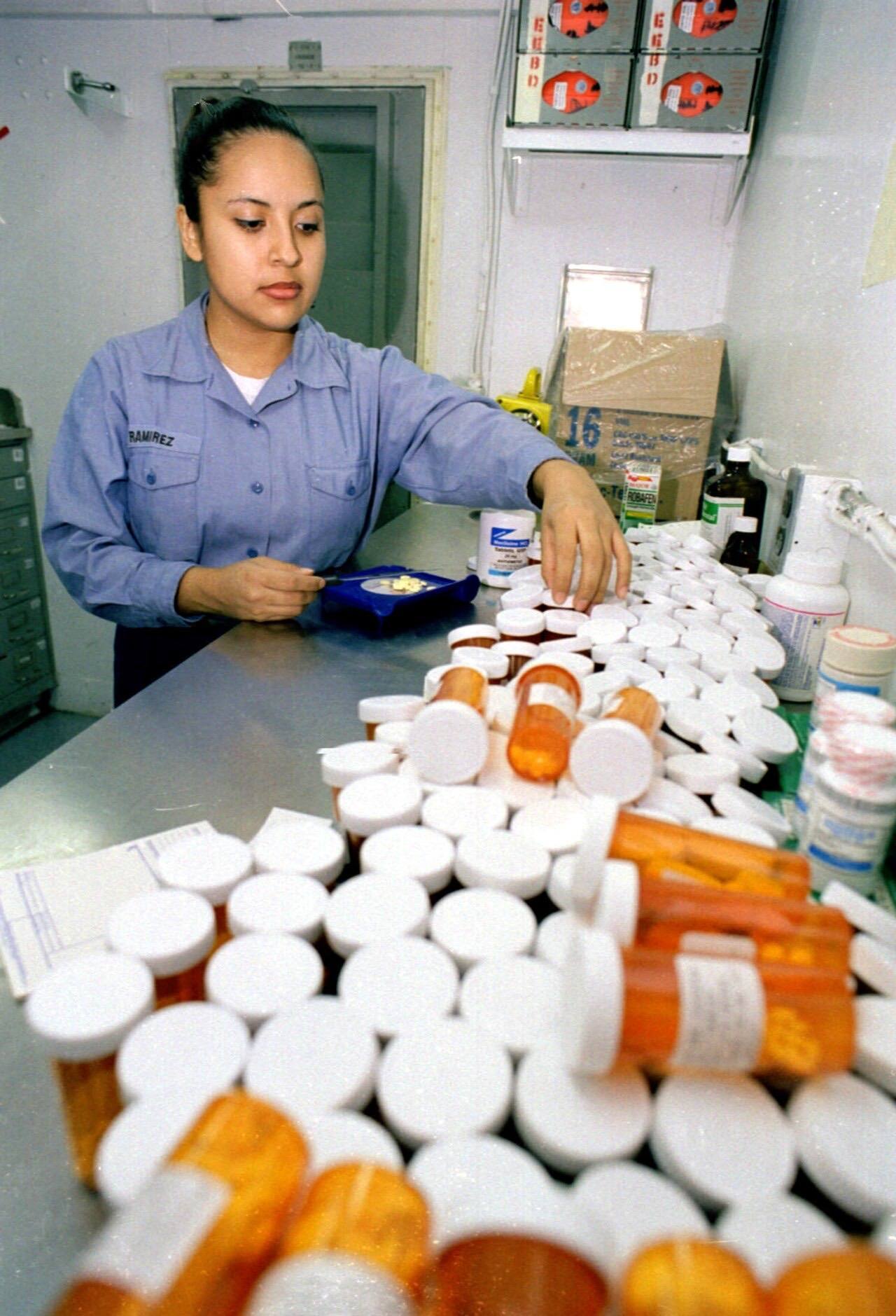
The Process Behind Approval
When the FDA approves a new drug or treatment, it often becomes a cause célèbre, celebrated by advocates and criticized by skeptics. However, the procedure itself is often shrouded in mystery and, at times, controversy. The rush to herald these approvals can overshadow the intricate and sometimes contentious journey these products take to reach the public.
Each year, the FDA reviews thousands of applications, yet only a fraction receive that coveted green light. This lengthy process involves rigorous testing and trials that can span years, often involving thousands of participants. While the intention is to ensure safety and efficacy, the system is not without its flaws, leading to a growing chorus of voices questioning its robustness.

Political Pressures and Public Perception
Both sides of the political spectrum have their own narrative regarding FDA oversight. On one hand, some on the right decry what they see as excessive regulation that stifles innovation and delays life-saving treatments from reaching the market. They argue that the FDA's stringent requirements can lead to unnecessary loss of life, as patients are left waiting for approvals that feel interminable.
On the other hand, many on the left advocate for stricter regulations, voicing concerns over corporate influence and the potential for profit-driven motives to overshadow public health interests. They criticize the FDA for being too lenient in some instances, arguing that the consequences can be dire when drugs are rushed into approval without comprehensive evaluation.
“The process is a balancing act between innovation and safety, but it often tips too far in one direction or the other.”
Media's Role in the Narrative
The media plays a crucial role in shaping public perception of the FDA's actions. Sensational headlines often dominate the news cycle, focusing on breakthrough approvals and miraculous cures. Yet, this focus can lead to a distorted view of how these drugs are developed and the potential risks involved. The emphasis on dramatic stories can drown out the critical conversations about the complexities of clinical trials and the ethical implications of drug testing.
Such narratives can contribute to a public misunderstanding of the FDA’s role. Many consumers may not be aware that an approval does not equate to an endorsement of safety or efficacy. It merely signifies that a drug has met the minimum requirements set forth by the agency. Consequently, patients may approach new treatments with misplaced confidence, unaware of the ongoing debates surrounding their use.
Patient Advocacy and the Future of Approvals
As discussions about the FDA's role continue, patient advocacy groups are increasingly stepping into the spotlight. These organizations are crucial in ensuring that the voices of those affected by illnesses are heard in the approval process. They argue for transparency and accountability, pushing for greater involvement in clinical trials and advocating for patients’ rights to access potentially life-saving treatments.
However, the involvement of advocacy groups also introduces another layer of complexity. While they strive to represent patient interests, they can sometimes lead to pressures that prioritize speed over thorough evaluation. This raises the question: when does advocacy become a liability to the broader public? Striking a balance between expediency and thoroughness remains a contentious issue.
Conclusion: A Call for Balanced Discourse
As we navigate the complex terrain of FDA approvals, it is essential to foster a balanced discourse that acknowledges both the need for timely access to new treatments and the imperative of ensuring their safety. The current climate calls for a measured approach that respects the intricate nature of drug approval while addressing the legitimate concerns of both patients and healthcare providers.
In the end, the goal should be a regulatory process that serves the public good, providing patients with the treatments they need while safeguarding their health. Achieving this will require collaboration across the political spectrum and a commitment to transparency, integrity, and ethical responsibility in the approval process.
✦ ✦ ✦