From the file. Written for the paper dated April 1993. Opened in the public stacks July 14, 2026.
In a time when political rhetoric often overshadows tangible results, the virtue of patience seems more relevant than ever. As we navigate the turbulent waters of public discourse, it becomes essential to examine the claims made by leaders on both sides of the aisle, and the often stark contrast between these proclamations and the realities faced by everyday citizens.
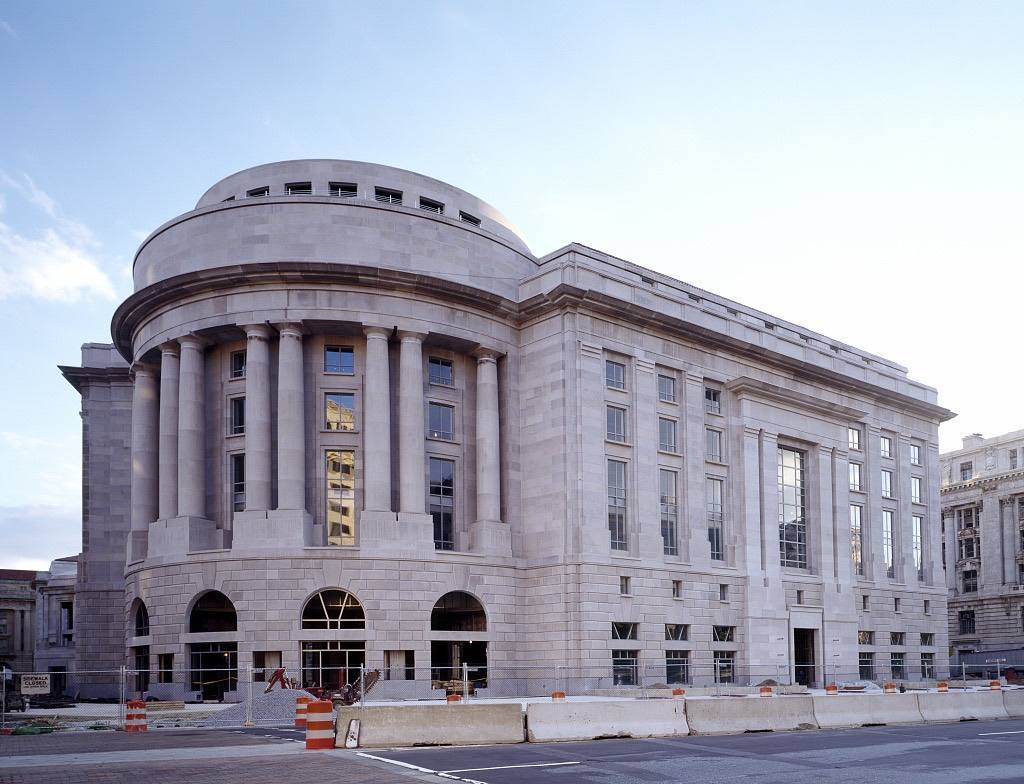
The Left's Impatience with Progress
In recent months, we have witnessed an alarming trend among left-leaning politicians and activists who demand immediate change on pressing issues such as healthcare reform, environmental policies, and social justice. While their commitment to these causes is laudable, their impatience often leads to unrealistic expectations. The idea that sweeping transformations can occur overnight is not only naive but ultimately counterproductive. For instance, the clamor for a single-payer healthcare system overlooks the complexities of the current system and the potential consequences of such a radical overhaul.
Moreover, the left's tendency to label any compromise as a betrayal of principles can stifle essential dialogue. Constructive discourse requires patience, a willingness to engage in nuanced discussions, and an understanding that real change often requires incremental steps. Instead, we see a culture of immediate gratification that risks alienating moderate voices and undermining potential progress.
The Right's Reluctance to Embrace Change
Conversely, the right has fallen prey to a different kind of excess - an unwillingness to adapt to the evolving needs of society. The steadfast commitment to traditional values, while noble in intent, has often led to a stubborn resistance to necessary reforms. Issues such as gun control, immigration policy, and climate change are often met with an almost reflexive dismissal of any proposed change.
This rigidity can be particularly detrimental in a rapidly changing world. As the demographics of our nation shift and new challenges arise, the right must demonstrate a willingness to reassess its positions and embrace a more inclusive approach. By clinging too tightly to outdated ideologies, there is a risk of losing touch with the very constituents they aim to serve. Patience, in this context, means recognizing that evolving societal norms require thoughtful engagement rather than knee-jerk reactions.
"Real change often requires incremental steps rather than sweeping transformations."
The Middle Ground: A Call for Patience
In an era dominated by sound bites and sensationalism, the value of patience cannot be overstated. It is crucial for both sides of the political spectrum to recognize that meaningful progress is rarely instantaneous. Instead of resorting to divisive rhetoric, we must foster an environment where constructive dialogue can flourish - one that prioritizes understanding and collaboration over confrontation.
As citizens, we must cultivate our own patience as well. It is easy to become disillusioned by the slow pace of change, but we must resist the urge to abandon reason in favor of emotional outbursts. Engaging with our representatives, advocating for our beliefs, and participating in the democratic process requires a sustained commitment to patience and perseverance.
Conclusion
As we continue to grapple with the myriad challenges facing our nation, the virtue of patience must take center stage. It is a reminder that public claims must be measured against the record - a record that is often more complicated than the rhetoric suggests. Both the left and the right must acknowledge that progress is a marathon, not a sprint. Embracing this mindset can pave the way for a more constructive political discourse that ultimately serves the interests of all citizens.
✦ ✦ ✦