From the file. Written for the paper dated April 1993. Opened in the public stacks July 14, 2026.
In the midst of a heated political season, the issue of campaign finance has taken center stage, provoking fervent debates and fierce accusations from both sides of the political spectrum. As candidates scramble to secure the resources necessary for their campaigns, the gap between public claims and the reality of campaign financing has become increasingly apparent.
The Double Standards of Campaign Contributions
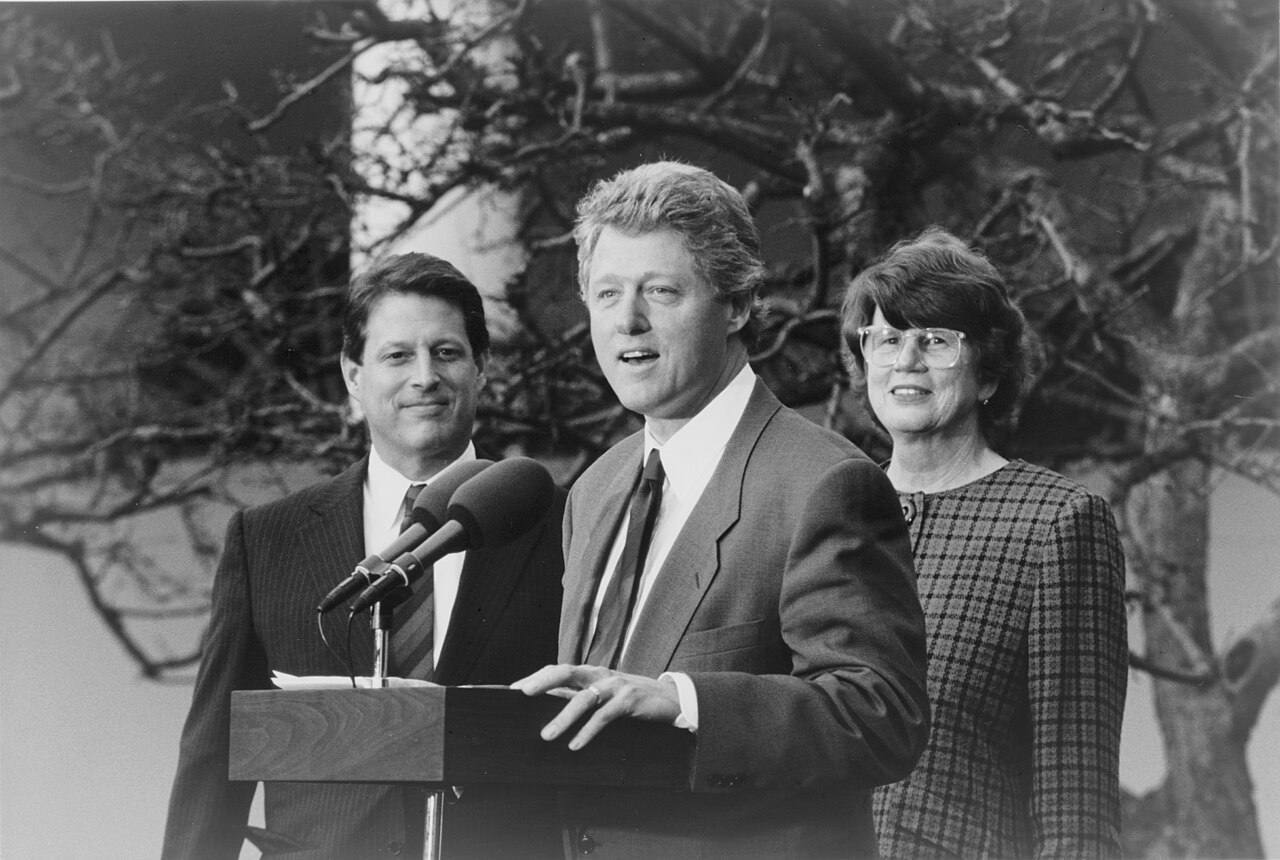
On one side, the left raises alarm bells over the influence of money in politics, painting a picture of a system where wealthy donors wield disproportionate power over elected officials. From concerns over corporate contributions to calls for stricter regulations, the progressive narrative is clear: the playing field is skewed in favor of those with deep pockets. Yet, as we examine the financial records of leading liberal candidates, we find a curious contradiction. Many of these individuals have benefited substantially from large donations themselves, often from the very interests they publicly decry.
Take the case of a prominent Democratic candidate who has made campaign finance reform a cornerstone of their platform. While they publicly advocate for smaller contributions and greater transparency, their financial filings reveal a reliance on significant donations from influential unions and special interest groups. This raises a critical question: how serious are these candidates about reform when they themselves are entangled in the very system they seek to change?
Right-Wing Rhetoric and the Reality of Funding
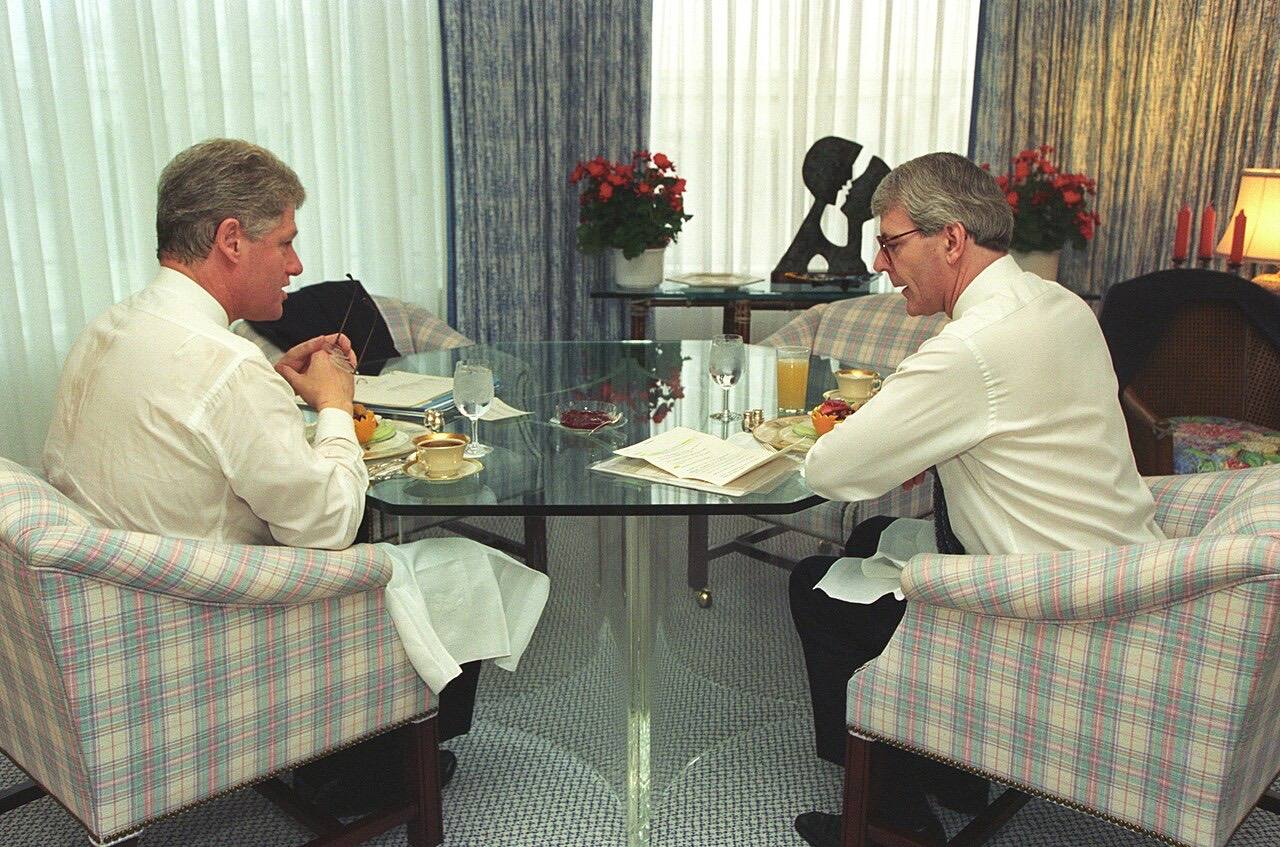
On the right, similar inconsistencies abound. Conservative candidates often tout their commitment to free market principles and limited government, yet many are financially buoyed by large donations from corporate entities that stand to benefit from deregulation and favorable tax policies. Moreover, the Republican Party has been vocal in its defense of campaign donations as a form of free speech, championing the rights of individuals and businesses to support the candidates of their choice.
Yet, this argument rings hollow when one considers the overwhelming influence of money in shaping policy decisions. The notion that all contributions are equal is a convenient narrative that ignores the stark reality: those with the most financial power can easily drown out the voices of average citizens. As we traverse the political landscape, it becomes increasingly clear that both sides are guilty of perpetuating a system that favors those with means while marginalizing everyday voters.
"The reality of campaign finance is that it often leads to a distortion of democratic values, where the loudest voices are those with the deepest pockets."
The Call for Reform
As disillusionment with the current state of campaign finance grows, grassroots movements calling for reform have gained momentum. Citizens across the nation are demanding transparency and accountability from their elected officials, pressing for measures that limit the influence of money in politics. While many legislators pay lip service to these concerns, the lack of meaningful action raises doubts about their true commitment to restoring public faith in the electoral process.
Advocates for reform argue that a comprehensive approach is needed, one that includes stricter limits on contributions, increased disclosure requirements, and public financing options to level the playing field. However, such proposals face stiff opposition from both parties, as entrenched interests are reluctant to relinquish their advantages. Until real change is implemented, the cycle of money influencing politics will persist, further alienating voters who feel their voices are not being heard.
The Way Forward
As we look ahead to the upcoming elections, it is imperative that voters remain vigilant and hold candidates accountable for their actions. The promises made on the campaign trail must be scrutinized against the backdrop of financial realities. A true commitment to reform entails more than mere rhetoric; it requires a willingness to confront the uncomfortable truths of campaign finance and a dedication to empowering the electorate.
Both left and right must acknowledge their complicity in the current system and work collaboratively to enact changes that prioritize the voice of the people over the interests of the few. Only then can we hope to restore faith in our democratic processes and ensure that every citizen has an equal say in shaping the future of our nation.
✦ ✦ ✦