From the file. Written for the paper dated March 1993. Opened in the public stacks July 14, 2026.
As the nation grapples with a budget standoff, the political theater unfolds with the fervor of a high-stakes drama. While the headlines capture the immediate tension, it is essential to dissect how our institutions protect themselves amidst the chaos.
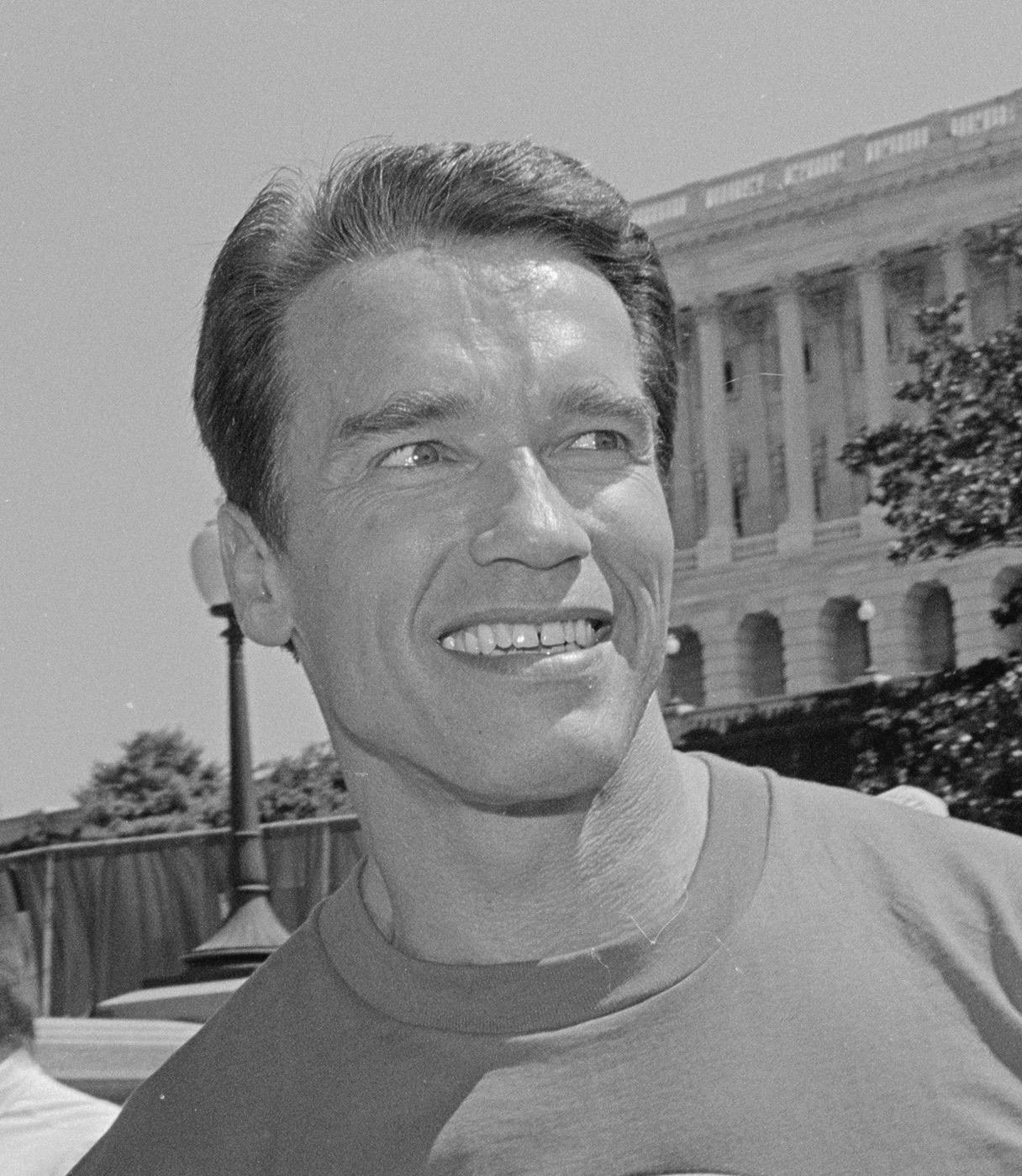
The Political Impasse
The current standoff is emblematic of a broader issue - both sides of the political spectrum appear trapped in their own narratives, unwilling to compromise for the sake of the country. On one side, we have the Republicans, staunch defenders of fiscal conservatism, calling for slashes in social programs, all while claiming to prioritize the American taxpayer. Meanwhile, Democrats advocate for increased spending on social safety nets, branding any cuts as a betrayal of the public trust.
As these two factions dig in their heels, the American public is left to wonder who truly benefits from this impasse. Is it the everyday citizen, struggling to make ends meet in an economy that remains sluggish? Or is it the political elite, who thrive on divisions and maintain their power through perpetual conflict?
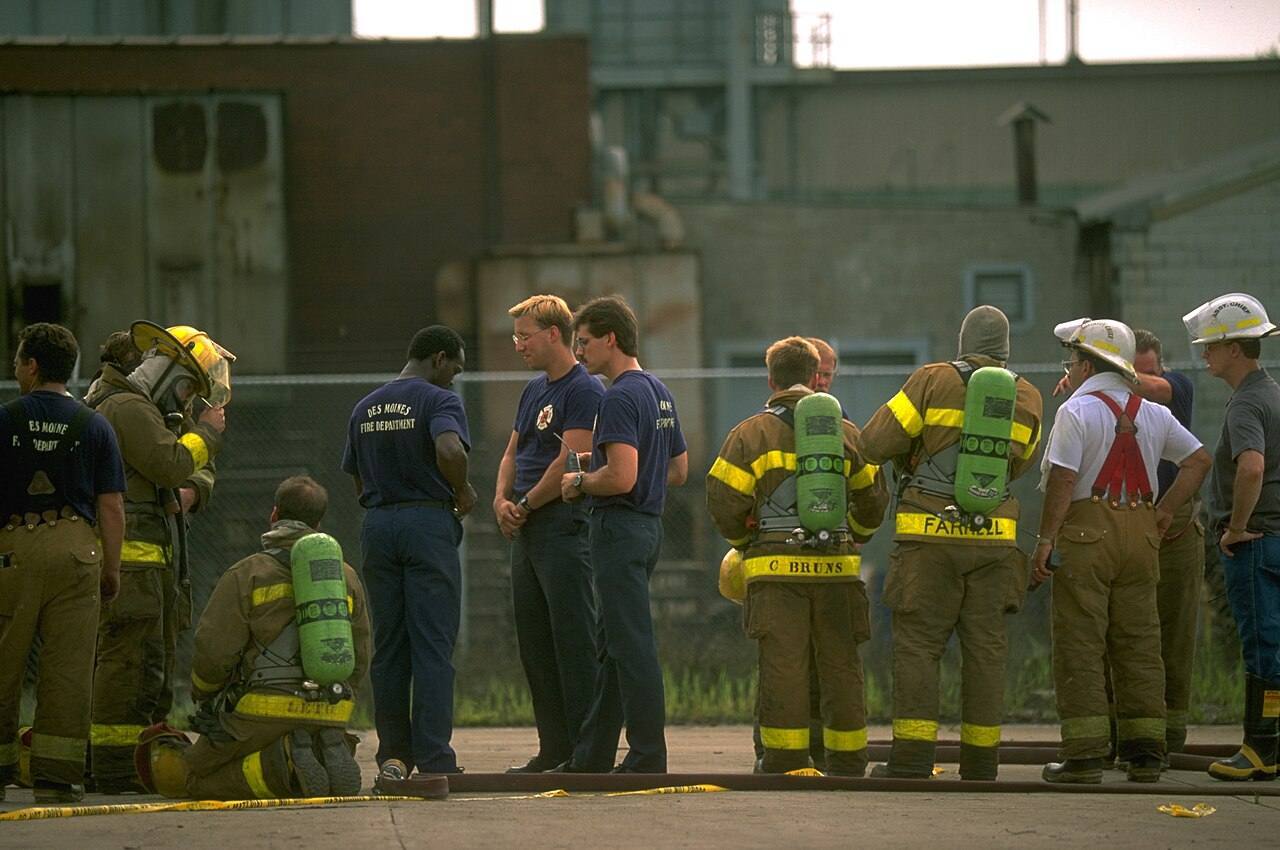
Institutional Resilience
At the heart of this standoff lies a troubling reality: our institutions often prioritize self-preservation over genuine governance. Congress, rather than acting as a collaborative body to address the pressing needs of the nation, has become a battleground for partisan bickering. The result is a legislative process that often favors the status quo, leaving the most vulnerable members of society to bear the brunt of budget cuts.
"The political elite thrive on divisions and maintain their power through perpetual conflict."
Moreover, the executive branch, while ostensibly seeking to lead the nation through this fiscal crisis, is equally invested in protecting its own agenda. President Clinton, newly inaugurated, faces immense pressure from both sides of the aisle. His attempts to navigate this treacherous terrain reveal a fundamental truth: even in the face of significant challenges, the instinct for self-preservation often trumps the desire for meaningful change.
The Consequences of Inaction
As the days turn into weeks, the consequences of this budget standoff are becoming increasingly apparent. Essential services that Americans rely on are at risk of being compromised. From healthcare programs to education funding, the potential cuts threaten to deepen the inequalities that plague our society.
Furthermore, the longer this impasse continues, the more disillusioned the public becomes with the political process. Citizens are left feeling as though their voices are muffled, drowned out by the noise of political maneuvering. This growing alienation from the political system can have dire consequences, leading to increased cynicism and disengagement from civic duty.
A Call for Compromise
The time has come for both parties to step back from their entrenched positions and engage in genuine dialogue. It is crucial to recognize that compromise does not equate to weakness; rather, it demonstrates a commitment to the greater good. Leadership requires the courage to make difficult decisions, even when they may not align perfectly with party ideals.
As citizens, we must also hold our leaders accountable. It is not enough to merely complain about the state of affairs; we must demand action. Grassroots movements and community organizations play a vital role in amplifying the voices of those who are affected by these budgetary decisions. By mobilizing and advocating for collective interests, we can create pressure on our elected officials to prioritize the needs of the people over political gamesmanship.
The Role of Media
In this landscape, the media holds a critical responsibility. As reporters and commentators, we must strive to present a balanced perspective, highlighting the consequences of this standoff while also providing a platform for diverse voices. Sensationalism and partisan reporting only serve to deepen divisions and distract from meaningful discourse.
We must challenge ourselves to ask tough questions and to hold our leaders accountable, ensuring that the stories we tell reflect the complexities of the issues at hand. The American public deserves more than just soundbites; they need a comprehensive understanding of how budgetary decisions will impact their lives.
✦ ✦ ✦