From the file. Written for the paper dated December 1992. Opened in the public stacks July 14, 2026.
As public clinics across the nation brace for an influx of patients with the cold and flu season upon us, a closer look at the numbers reveals a complex picture of healthcare access and quality in America.
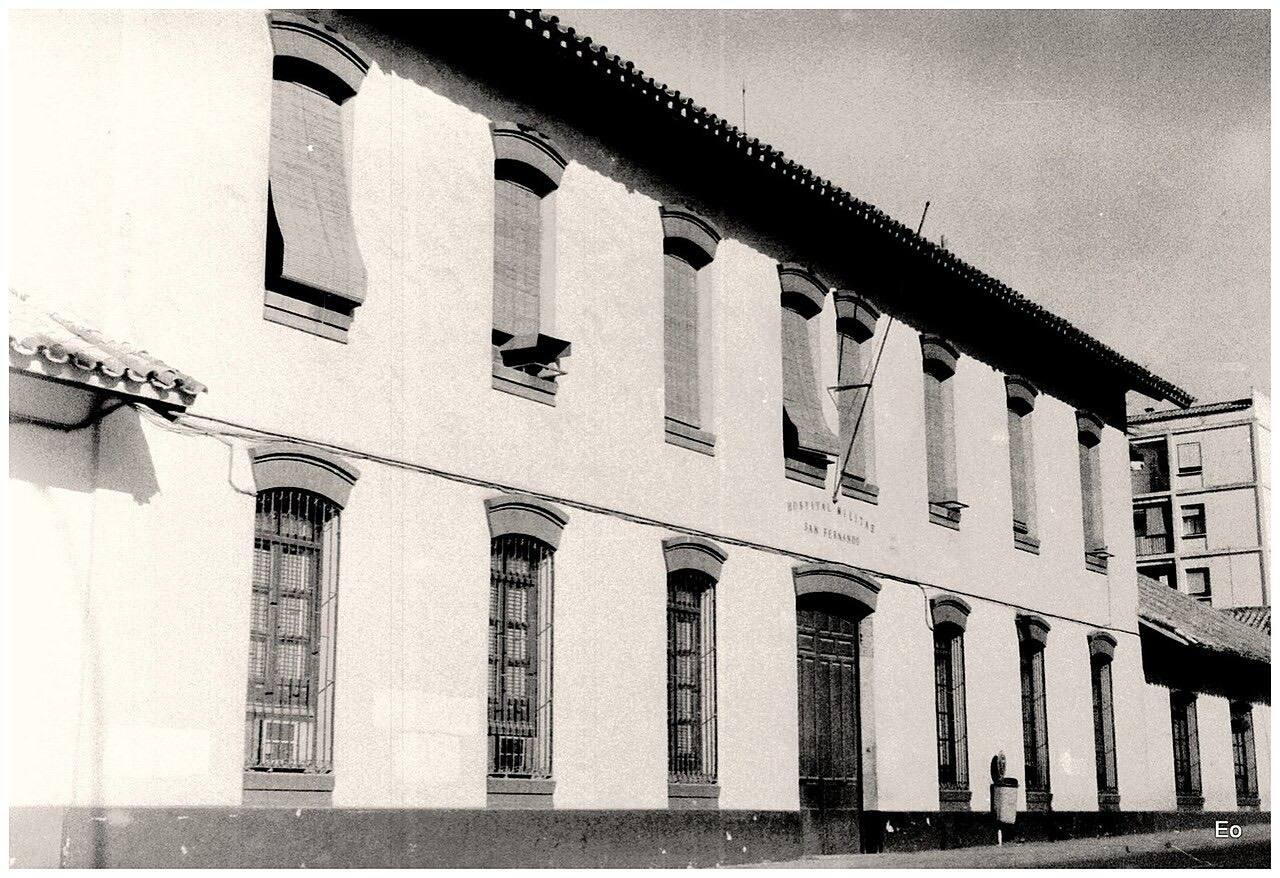
The State of Public Clinics
Public clinics have long been a cornerstone of healthcare for many Americans, particularly for those without insurance or with limited means. However, the current climate of budget cuts and shifting health policies has left many clinics struggling to provide adequate services. Recent statistics show that while patient volumes are increasing, funding is stagnating or, in some cases, decreasing. This juxtaposition raises critical questions about the sustainability of public health services.
According to recent reports, public clinics are experiencing a dramatic rise in patient demand, with many facilities reporting a 15% increase in visits compared to last year. This surge, coinciding with the onset of cold and flu season, highlights the critical role these clinics play in the broader healthcare system. Yet, as patient numbers rise, funding sources are dwindling, with some clinics facing cuts of up to 10% in state budgets. This paradox raises important concerns about the clinics' ability to continue serving their communities effectively.

"While the need for public clinics has never been more apparent, the resources to support them are disappearing."
A Tale of Two Extremes: Left and Right in the Public Health Debate
The ongoing discourse surrounding public healthcare often falls prey to extremes. On one side, advocates argue for a robust expansion of public services to address the urgent needs of the uninsured and underinsured. While the intention is noble, there is a tendency to overlook the practicalities of funding and resource allocation. This left-leaning enthusiasm risks creating unrealistic expectations about what public clinics can achieve without adequate financial support.
Conversely, some right-leaning critics advocate for a reduction in government involvement in healthcare, suggesting that private entities could better serve the public's needs. This viewpoint, while appealing in its call for efficiency and market-driven solutions, often fails to recognize the unique challenges faced by vulnerable populations who rely on public clinics. The push for privatization can inadvertently lead to further marginalization of those in need, as profit-driven entities may not be as willing to serve low-income patients.
Access vs. Quality: A Balancing Act
The tension between access and quality in public clinics is palpable. Many facilities are operating at 80% capacity or higher, which can strain resources and lead to longer wait times for patients. With over 30% of patients treated in these clinics being uninsured, the pressure is on to provide care without compromising quality. The reality is that while more patients are seeking help, the tools to assist them may not be sufficient.
Moreover, the healthcare debate often overlooks the importance of preventive care and education. Public clinics are not just places for treatment; they are also vital for community health initiatives. However, the current focus on immediate patient care can detract from long-term health strategies that could alleviate some of the burdens currently faced by these clinics.
Looking Ahead: Solutions and Strategies
As we move further into the winter months, it is imperative that policymakers and healthcare leaders work together to seek sustainable solutions for public clinics. This includes exploring new funding models, increasing partnerships with private organizations, and enhancing community outreach programs. By fostering collaboration between public and private sectors, we can better bridge the gaps in healthcare access and quality.
Moreover, addressing the systemic issues that lead to high uninsured rates will be crucial. Strategies may include advocating for expanded Medicaid programs or creating more inclusive healthcare policies that recognize the diverse needs of all Americans. Only through a concerted effort can we hope to ensure that public clinics are equipped to meet the growing demand for their services.
The current state of public clinics serves as a reminder of the complexities within our healthcare system. As both sides of the political spectrum grapple with their respective ideologies, the ultimate goal should remain clear: equitable access to quality healthcare for all citizens. It is time to move beyond rhetoric and towards actionable solutions that prioritize the health of our communities.
✦ ✦ ✦