From the file. Written for the paper dated November 1992. Opened in the public stacks July 14, 2026.
In an era marked by intense political polarization, the rhetoric of certainty has taken center stage, overshadowing the nuanced discussions that once characterized our public discourse.
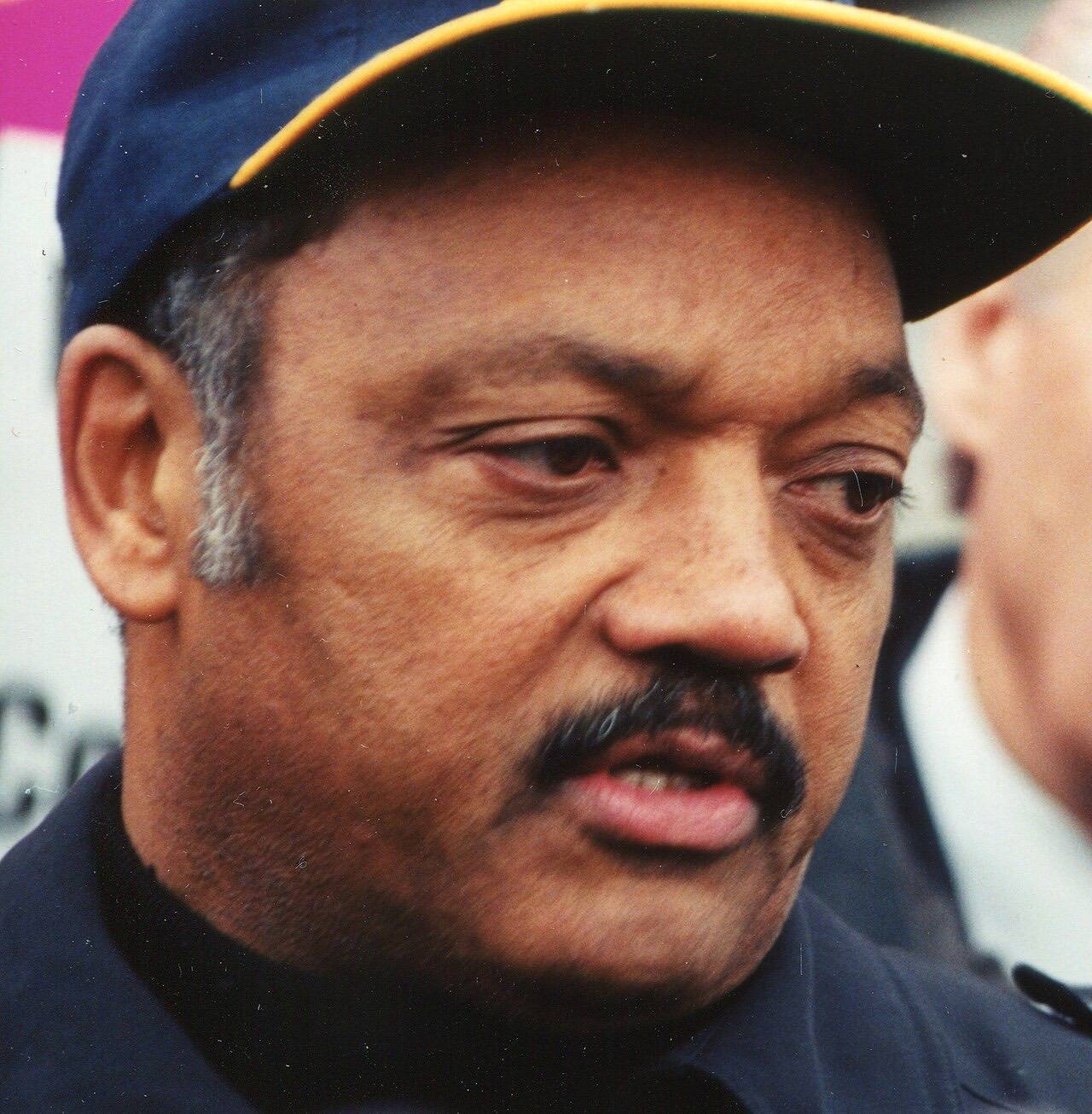
The Allure of Certainty
As the nation heads toward an uncertain future, the seduction of absolute certainty in political rhetoric has become alarmingly clear. Candidates from both sides of the aisle are resorting to black-and-white narratives that simplify complex issues into digestible sound bites. This trend is not merely a passing phase; it reflects a fundamental shift in how we, as a society, engage with ideas and each other.
Take, for instance, the recent presidential campaign. On one side, the incumbent administration has wrapped itself in a cloak of unwavering confidence, promoting policies with a fervor that leaves little room for dissenting opinions. This approach resonates with voters who crave decisiveness, particularly in times of economic uncertainty and geopolitical tension. The message is simple: if you believe strongly enough, the truth will follow.

On the other side, the opposition has capitalized on this same desire for certainty, presenting an equally unwavering stance against the status quo. Their rhetoric is infused with a sense of moral superiority, often framing their opponents not just as political adversaries but as threats to the very fabric of democracy. This binary view of politics not only alienates moderate voices but also stifles constructive dialogue.
The Dangers of Oversimplification
This phenomenon of certainty in political discourse is troubling for several reasons. First, it promotes an environment where complex issues are oversimplified. Topics such as health care reform, environmental policy, and foreign relations are reduced to slogans and catchphrases, stripping them of the nuance they require. Voters are left with a false sense of understanding, believing they grasp the entirety of an issue based on a few well-chosen words.
Moreover, the embrace of certainty fosters an atmosphere of hostility. When discussions become polarized, those who hold differing views are often vilified rather than engaged. This is not just a disservice to the democratic process; it is a direct threat to the principle of discourse itself. Compromise and understanding, essential elements of a functioning democracy, are sacrificed at the altar of ideological purity.
"The rhetoric of certainty is not just a political strategy; it is a reflection of our collective fears and desires for clarity in an increasingly complex world."
Rhetoric vs. Reality
It is essential to recognize that while the rhetoric of certainty may sell well at the ballot box, it often diverges significantly from the reality of governance. The complexities of running a nation cannot be captured in catchy slogans or bold assertions. Policy-making requires deliberation, debate, and, at times, the acceptance of ambiguity. Yet, the current political climate discourages this necessary complexity.
Voters must ask themselves whether they are being served by leaders who offer certainty or whether they are being led astray by rhetoric that prioritizes winning over wisdom. The challenge lies in discerning between genuine leadership and theatrical performance. The former demands a willingness to tackle difficult questions, while the latter seeks to exploit fears and insecurities for electoral gain.
A Call for Nuance
As we navigate this tumultuous political landscape, it is crucial for citizens to demand a more nuanced approach from their leaders. The public must push back against the allure of simple answers and hold politicians accountable for the complexities of the issues they tackle. In doing so, we can foster a culture that values honest discourse over convenient certainties.
Ultimately, the responsibility lies with us, the electorate, to cultivate a political environment that encourages dialogue rather than division. We must resist the temptation to embrace certainty at the expense of understanding. Our future depends on our ability to engage with the gray areas of political discourse, rather than retreating into the comfort of absolutes.
Conclusion
In conclusion, it is imperative that we, as engaged citizens, advocate for a return to honesty in rhetoric - one that embraces complexity rather than shunning it. By demanding a more nuanced political discourse, we can foster a healthier democratic environment that prioritizes understanding over divisiveness. The path forward will not be easy, but it is necessary for the vitality of our democracy.
✦ ✦ ✦