From the file. Written for the paper dated October 1992. Opened in the public stacks July 14, 2026.
The shipping lanes that crisscross our oceans are not just pathways for goods; they are conduits of political and economic narratives shaped by both the left and the right. This week, as we reflect on the state of global commerce, we must grapple with the selective memory that has come to define our understanding of shipping and trade.

The Politics of Shipping
The maritime shipping industry is a significant cog in the wheel of the global economy, yet it often finds itself at the mercy of political whims. On one side, the left calls for increased regulation, citing environmental concerns and labor rights. On the other, the right advocates for deregulation, arguing that it stifles competition and innovation. Both viewpoints, while rooted in valid concerns, tend to overlook the complexities of the industry.
Left-leaning advocates frequently emphasize the need for stringent regulations to protect workers in shipping and port operations. While the intention is commendable, the execution can sometimes lead to unintended consequences. Overregulation can hinder growth, driving shipping companies to seek more favorable conditions abroad. This, in turn, can lead to job losses at home, directly contradicting the very goals these advocates aim to achieve.
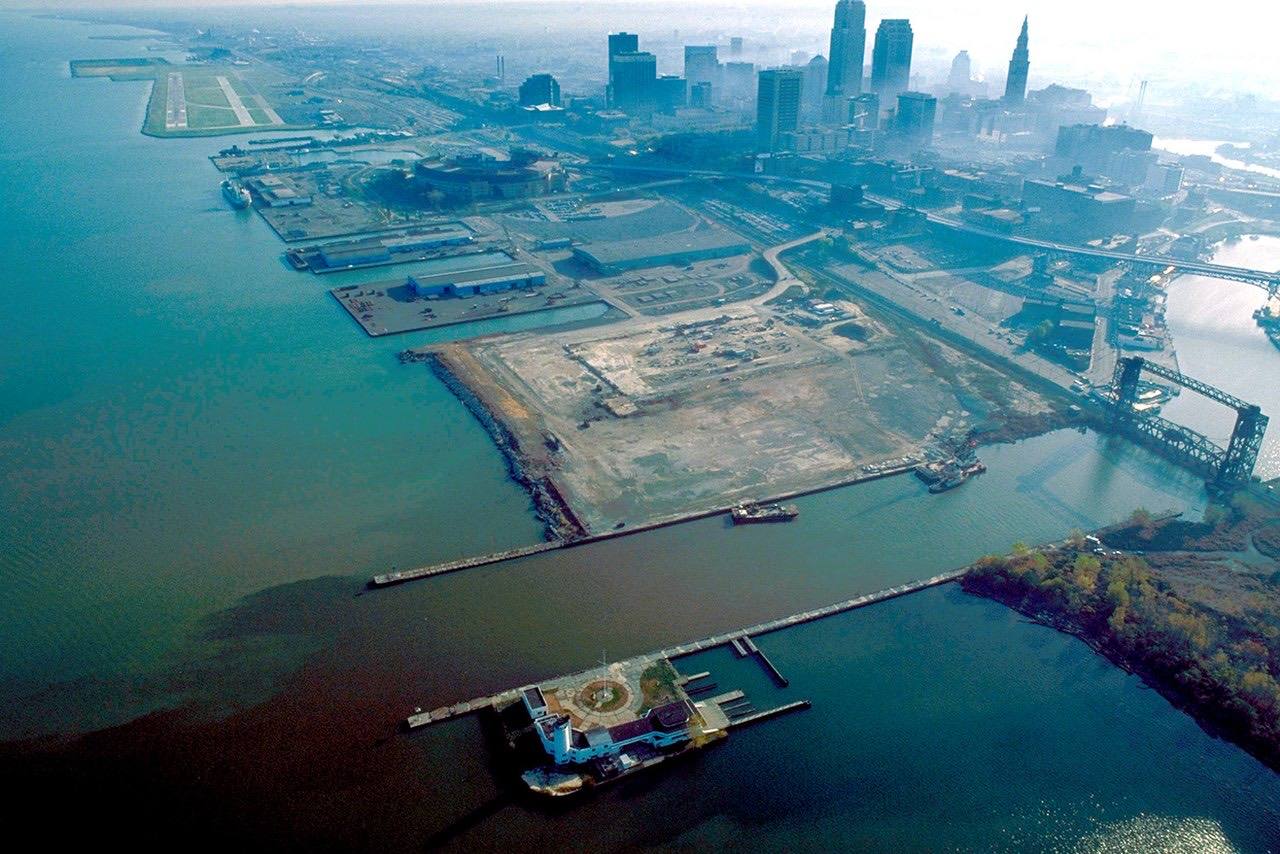
Conversely, the right’s push for deregulation often glosses over the potential ramifications for the environment and labor standards. The mantra of free markets can sometimes drown out the voices of those who suffer the consequences of unregulated shipping practices. A balance must be struck, but in the current climate, both sides seem more interested in winning the narrative than finding common ground.
Global Trade Agreements: A Tug of War
This week, discussions surrounding international trade agreements have come to the fore, revealing yet another instance of bipartisan selective memory. The left often criticizes trade pacts for favoring corporations at the expense of workers, while the right hails them as triumphs of free enterprise. The reality is that both perspectives miss a crucial point: trade agreements are not inherently good or bad; their outcomes depend on how they are structured and enforced.
Take NAFTA, for example. Democrats were quick to denounce the agreement when it failed to deliver on promises of job creation and wage growth. However, many of these same voices had supported the agreement in the first place, driven by a belief in the benefits of free trade. The right, meanwhile, continues to champion NAFTA as a success story while ignoring the significant concerns raised by labor unions and environmental groups. It is a classic case of amnesia, where past decisions are conveniently forgotten when they no longer serve a political narrative.
"In the tug-of-war over trade, both sides risk alienating those who are most affected by their policies."
Shipping and Environmental Concerns
As we sail through the murky waters of environmental impact, it is essential to note how both sides of the aisle have contributed to the confusion surrounding maritime regulations. Environmentalists on the left push for strict emissions standards for shipping vessels, arguing that the industry is a significant contributor to global pollution. While this is undoubtedly true, the right often dismisses these claims as unnecessary burdens on businesses without offering viable alternatives.
On the flip side, conservative policymakers who advocate for minimal environmental regulations often turn a blind eye to the long-term consequences of their stance. The shipping industry’s environmental footprint is vast, and ignoring it in favor of short-term economic gains is a dangerous gamble. Both sides need to acknowledge that a sustainable future requires cooperation and compromise, rather than rigid adherence to ideological dogmas.
Conclusion: A Call for Nuance
As we dissect the current state of shipping lanes and the broader implications for global trade, it becomes clear that a nuanced understanding is essential. The left and right have both contributed to a culture of selective memory that oversimplifies complex issues. It is time for both sides to recognize that their narratives are often incomplete and that constructive dialogue is essential for addressing the challenges that lie ahead.
✦ ✦ ✦