From the file. Written for the paper dated September 1992. Opened in the public stacks July 14, 2026.
In a recent report that has captured the attention of both skeptics and believers alike, the findings surrounding unidentified flying objects (UFOs) have raised more questions than answers, revealing a quiet failure of oversight that speaks to the broader issues facing government transparency and accountability.
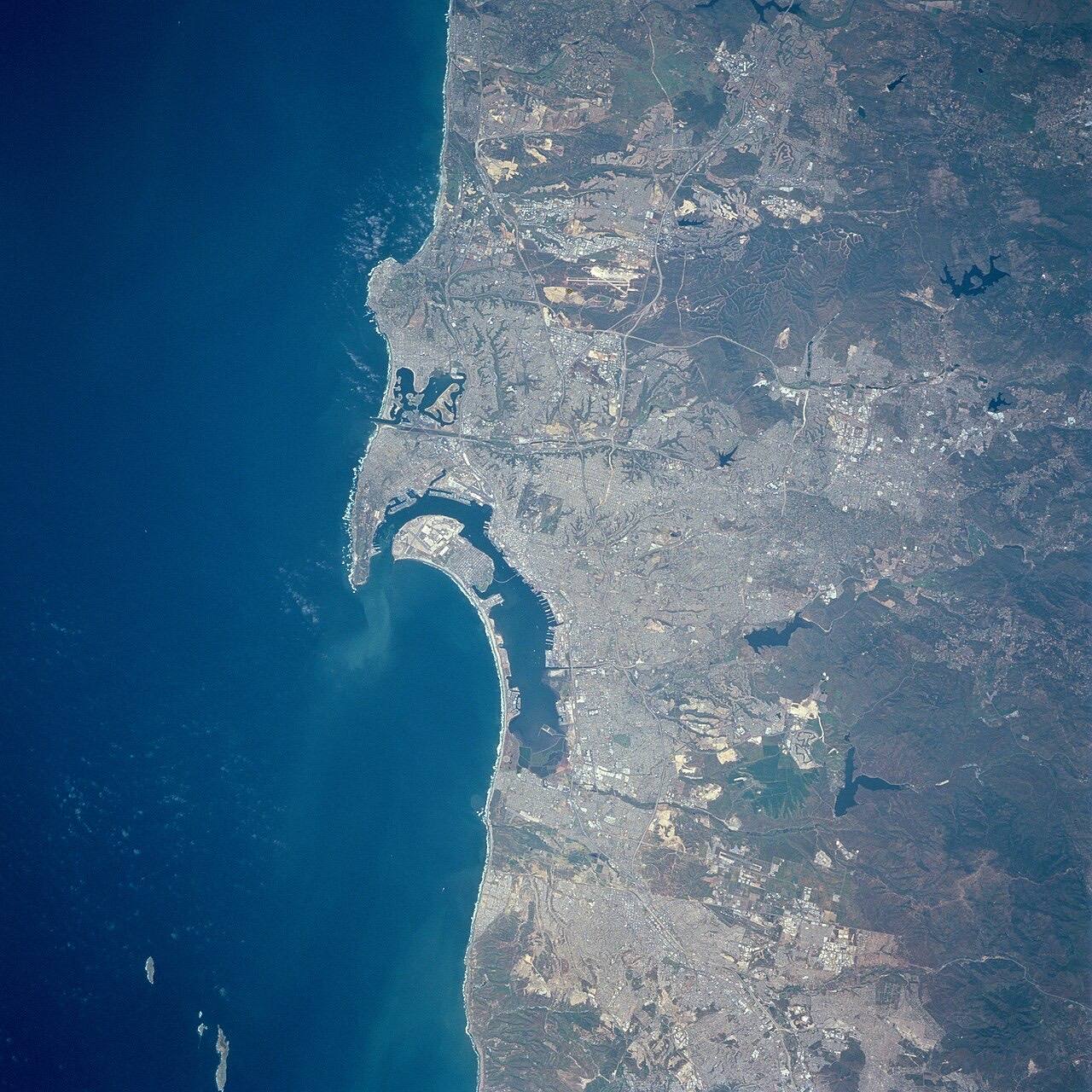
A Distant Glimpse into the Unknown
The long-awaited report from the Pentagon has provided a plethora of data on UFO sightings, but its conclusions remain ambiguous. While some analysts argue that this is a testament to the government's commitment to transparency, others see it as a glaring example of bureaucratic inefficiency. The lack of definitive answers leaves citizens questioning the very nature of the phenomena being reported. What is clear, however, is that the report has become a battleground for partisan politics.
On one side, the left champions the idea that these sightings could represent a significant scientific breakthrough, advocating for more rigorous research and funding to explore potential extraterrestrial life. They argue that this is not merely a subject of fringe interest but a critical area for scientific inquiry. Yet, in their zeal, they risk glossing over the need for grounded, evidence-based investigation, often dismissing skeptics as close-minded and reactionary.

Conversely, the right has taken a more dismissive stance, often ridiculing the very notion of UFOs as a serious subject. They argue that these reports distract from pressing issues such as crime, education, and the economy. In doing so, they neglect the underlying questions about government accountability and the potential implications of these sightings. The right's inclination to mock and undermine the evidence may alienate a significant segment of the population that is curious and concerned about the unknown.
Government Oversight: A Failing Grade
One of the most troubling aspects of the report is its indication of a lack of adequate oversight regarding military and intelligence operations related to UFOs. The report reveals that many sightings were not properly investigated, leaving a significant gap in our understanding of what is actually occurring in our skies. This negligence raises concerns about how effectively our government safeguards national security and prioritizes transparency with its citizens.
"The failure to investigate these reports thoroughly is a serious oversight that compromises both our understanding of potential threats and the trust of the public."
This oversight should not be taken lightly. The government has a duty to provide clarity on matters that could potentially affect national security. The casual dismissal of UFO sightings as mere “hysteria” or “hoaxes” undermines the very real concerns that citizens have regarding their safety and the integrity of their government. If the government is not willing to address these issues seriously, it opens the door to conspiracy theories and distrust.
The Public’s Reaction
The response from the public has been a mix of intrigue and skepticism. Many citizens feel that the report lacks the depth and thoroughness needed to address their concerns. As the discourse around UFOs continues to polarize, it is essential to maintain a balanced perspective. The excitement surrounding the possibility of extraterrestrial life should not eclipse the necessity for rigorous scientific investigation. The public deserves answers, not sensationalized claims that distract from the real issues at hand.
Finding Common Ground
In this climate of division, it is crucial for both sides to find common ground. The left should aim to approach the topic with a degree of scientific skepticism, ensuring that claims are backed by evidence. Meanwhile, the right should recognize that an open dialogue about UFOs does not necessarily equate to a rejection of other pressing issues. Fostering an environment where questions can be asked and answered respectfully could pave the way for meaningful discussions about the unknown.
Ultimately, the report serves as a reminder that the pursuit of knowledge should not be limited by political ideologies. Whether one believes in the possibility of extraterrestrial life or not, the need for transparency and accountability from our government remains paramount. As we look to the skies, we must also turn our gaze inward and demand better from our institutions.
✦ ✦ ✦