From the file. Written for the paper dated September 1992. Opened in the public stacks July 14, 2026.
In the often-overlooked world of rail freight, a critical failure of oversight is quietly unfolding, raising concerns about the efficiency and safety of this vital transportation sector.
Regulatory Oversight: Where Are We?
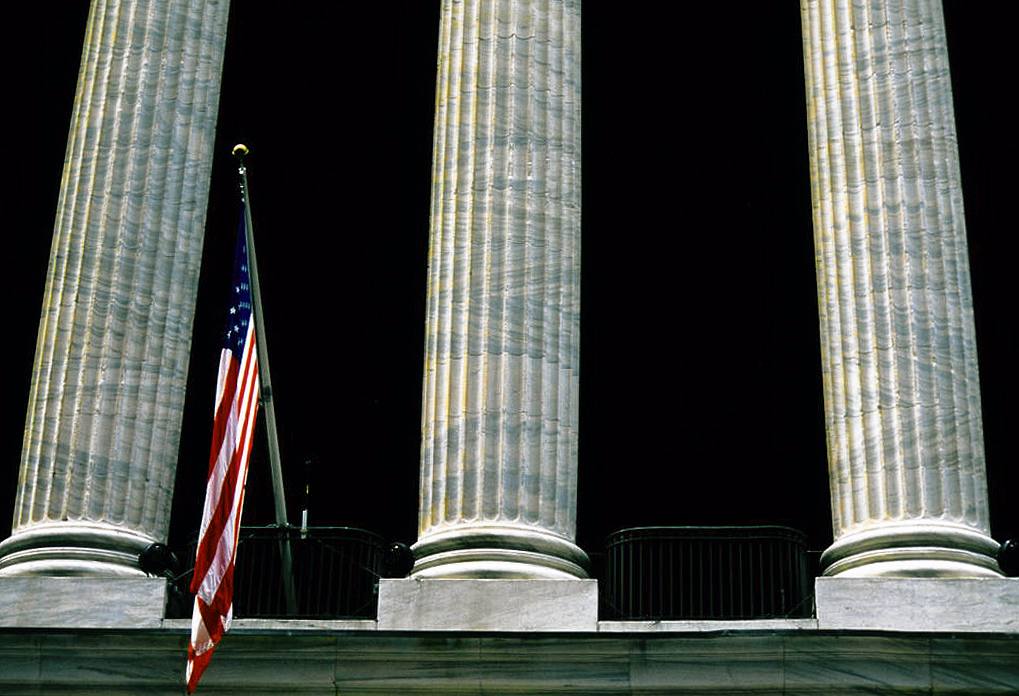
As the backbone of American commerce, rail freight plays a significant role in moving goods across the nation. However, the lack of robust regulatory oversight has led to inefficiencies that threaten not only the industry but also the economy at large. The Interstate Commerce Commission (ICC), tasked with regulating railroads, has come under scrutiny for its perceived failure to adapt to the rapidly changing dynamics of the freight industry.
Critics argue that the ICC has been slow to implement necessary reforms, allowing rail companies to engage in practices that prioritize profit over public safety and service reliability. This has raised alarms among shippers and consumers alike, who rely on timely and secure delivery of goods. The question remains: how long can this trend continue before it impacts the economy in significant ways?
Environmental Concerns: The Unseen Costs
Moreover, the environmental impact of rail freight operations cannot be ignored. As railroads expand their operations to meet growing demands, the potential for increased pollution and disruption of local ecosystems rises. The lack of stringent environmental regulations allows companies to operate with minimal oversight, leading to a reckless disregard for sustainability.
"The rail industry must prioritize not just profits, but the health of the communities it serves." - Environmental Advocate
While some rail companies have made strides in adopting cleaner technologies, the absence of enforced standards means that many are falling behind. The environment, much like the railroads themselves, deserves a dependable and proactive approach. Without it, we risk jeopardizing both public health and the natural world.
Labor Relations: A Tenuous Balance
On the labor front, the rail industry finds itself at a crossroads. Workers have raised concerns over long hours, inadequate staffing, and insufficient safety protocols. These issues have sparked a renewed push for better labor practices, but the response from both rail companies and regulatory bodies has been tepid at best.
Labor unions argue that the current system fosters an atmosphere where safety is compromised in favor of efficiency. The push for deregulation, championed by some on the right, has exacerbated these tensions. While the intention may be to boost competitiveness, the outcome has been an erosion of labor protections and a workforce that is increasingly disillusioned.
The Political Divide: Left and Right Extremes
The political landscape surrounding rail freight regulation has become a battleground of extremes. On one hand, the left advocates for stringent regulations that prioritize environmental protections and worker rights, often overlooking the economic implications of such measures. On the other hand, the right pushes for deregulation that could lead to a free-for-all, sacrificing safety and sustainability at the altar of profit.
This polarization leaves little room for constructive dialogue. Both sides must recognize the need for a balanced approach - one that promotes economic growth while safeguarding the environment and ensuring fair labor practices. The rail freight sector deserves a pragmatic discourse that transcends partisan lines.
Conclusion: A Call for Action
As we look to the future of rail freight, it is imperative that stakeholders - from government agencies to rail companies and labor unions - come together to address the critical issues at hand. The time for complacency is over; the continued success of rail freight depends on our willingness to embrace necessary reforms.
In a world where efficiency, safety, and environmental stewardship are paramount, we cannot afford to let oversight fall by the wayside. The stakes are too high, and the consequences of inaction could ripple throughout our economy and communities for years to come.
✦ ✦ ✦