From the file. Written for the paper dated September 1992. Opened in the public stacks July 14, 2026.
As the United States Postal Service grapples with a looming crisis, it becomes increasingly clear that the issue is not solely rooted in financial mismanagement or technological inadequacies. Rather, it is a profound failure of oversight that has led to this dire state of affairs.

The Roots of the Crisis
The Postal Service, once a proud symbol of American connectivity, now finds itself under scrutiny from all sides. The reasons for its financial woes are many: rising operational costs, decreased mail volume, and competition from private carriers. However, these factors alone do not encapsulate the broader failure that has allowed this crisis to fester.
For years, successive administrations have viewed the Postal Service as a mere bureaucratic entity. There has been a glaring absence of strategic oversight, resulting in a lack of accountability and vision. The resources needed for modernization have been woefully inadequate, leaving the Postal Service to grapple with outdated infrastructure while private companies race ahead with innovative solutions.
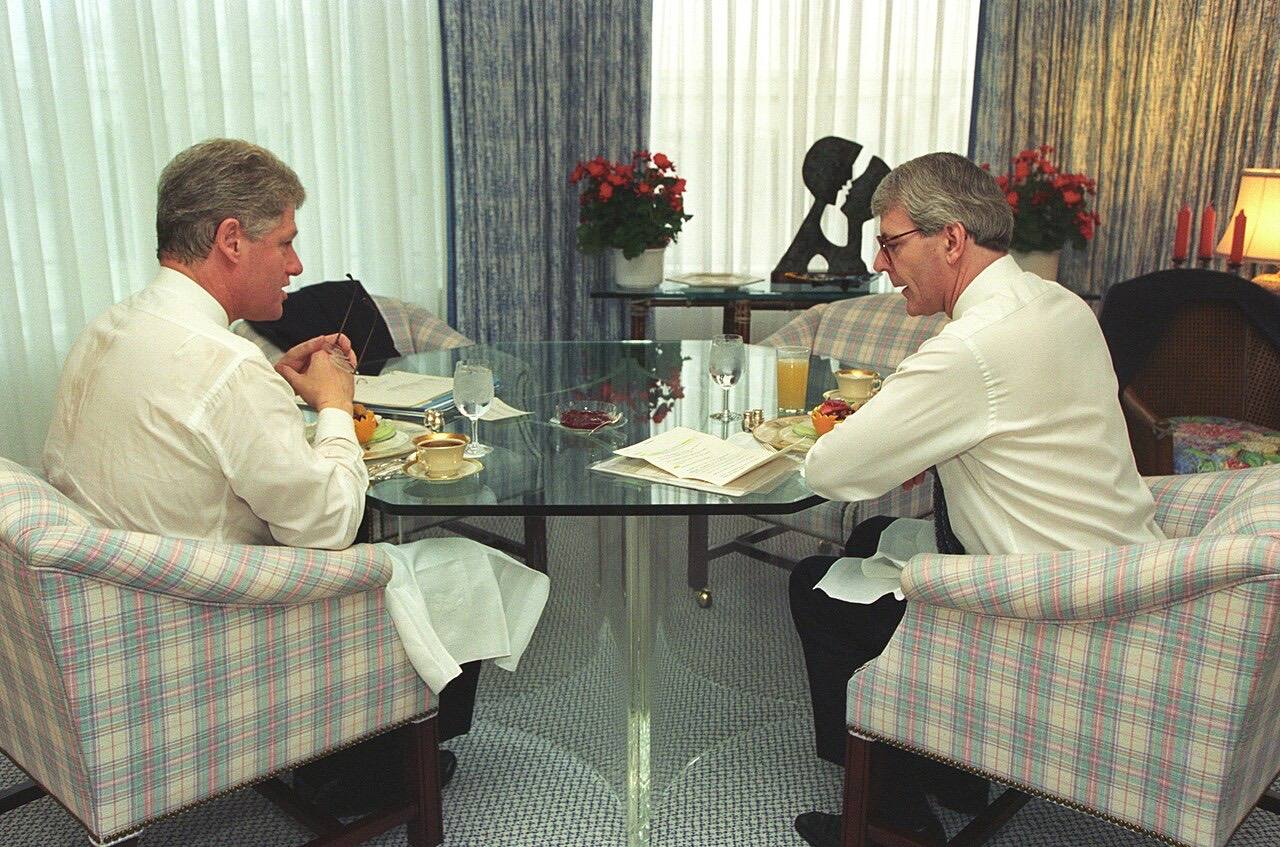
"The Postal Service's downfall reflects a deeper malaise in our approach to public institutions."
Political Responses: A Tale of Two Extremes
In the current political climate, both left and right have seized upon the Postal Service crisis to advance their agendas. The right, often quick to advocate for privatization, suggests that the solution lies in dismantling this public institution in favor of a free-market approach. This argument, however, fails to appreciate the essential service the Postal Service provides to millions of Americans - especially those in rural areas who rely on it for essential communications.
On the other hand, the left tends to romanticize the Postal Service as a bastion of public service, calling for increased funding and expanded services without addressing the underlying management failures. While advocacy for public institutions is commendable, it must be coupled with a demand for accountability and efficiency. Simply pouring money into a broken system is unlikely to yield the desired results.
A Call for Pragmatic Solutions
The solution to the Postal Service's woes will require a balanced approach - one that recognizes the value of public service while also demanding efficiency and modernization. Lawmakers must work together to create a framework that allows for innovation within the Postal Service without resorting to privatization.
This might include adopting new technologies that streamline operations, re-evaluating postal routes to optimize efficiency, and enhancing customer service. Additionally, a restructuring of oversight mechanisms could foster a culture of accountability, ensuring that funds are utilized effectively and that performance metrics are met.
"Real reform means embracing accountability and modernization, not simply throwing money at the problem."
The Bigger Picture
The crisis at the Postal Service is a microcosm of the challenges facing many public institutions today. As we become more reliant on privatized solutions, we risk losing sight of the essential role that public services play in maintaining the fabric of our society. Ensuring that the Postal Service can adapt to the demands of the modern world is not just a matter of efficiency - it is a matter of equity and access.
In an age where communication is paramount, the Postal Service must evolve beyond its traditional role. The challenge lies not just in addressing the immediate financial crisis, but in envisioning a future where it can thrive alongside private competitors, serving as a vital link for all Americans.
Conclusion: A Call for Unity
In the face of this crisis, it is imperative for citizens and lawmakers alike to transcend partisan divides. Instead of pointing fingers or advocating for extreme measures, we must come together to forge a path forward that strengthens, rather than dismantles, this essential institution. The Postal Service is not just a relic of the past; it is a critical component of our future.
✦ ✦ ✦