From the file. Written for the paper dated August 1992. Opened in the public stacks July 14, 2026.
This week, the United States Postal Service (USPS) has found itself at the center of a national crisis, with both sides of the political spectrum weighing in on the implications of its struggles. As the debate rages on, it becomes increasingly clear that excessive partisanship may be clouding the judgment of those who are meant to serve the public interest.

The Crisis Unfolds
The Postal Service is facing a multitude of challenges, including financial instability, operational inefficiencies, and the growing threat posed by private courier companies. Recent reports highlight that the USPS is projected to lose billions of dollars in the coming years, a situation exacerbated by diminished mail volume as more Americans turn to electronic communication. This week, the implications of these losses were felt across the nation, with delays in mail delivery becoming the new norm for countless citizens.
While the operational inefficiencies are a significant part of the problem, they are further complicated by political interference. Politicians on both sides have seized upon the USPS crisis as a talking point to rally their bases. The left argues for increased funding and support for the service as a public good, while the right pushes for privatization, claiming that competition will lead to improved services and reduced costs.
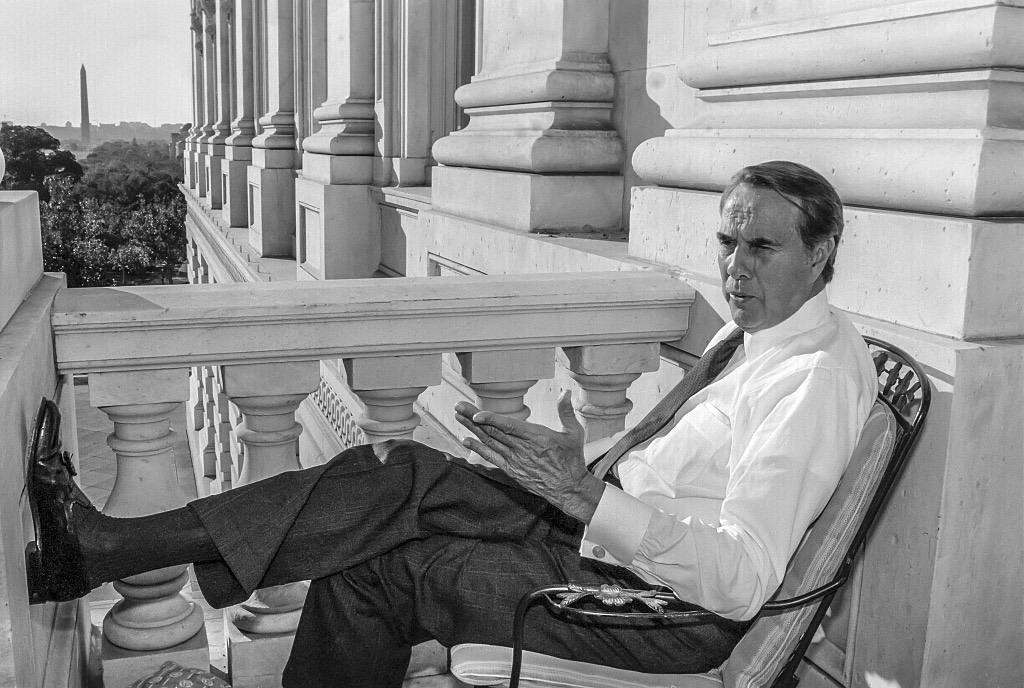
“The Postal Service is a lifeline for many Americans, yet both parties seem more interested in scoring points than finding solutions.”
Left vs. Right: A Question of Ideology
The left's position often romanticizes the role of the USPS as an essential public service, a proud symbol of American unity and accessibility. Advocates argue that the service must be preserved and expanded, with investments made to modernize operations and adapt to changing technologies. However, this unwavering support can sometimes overlook the need for accountability and reform within the agency. The reality is that many postal workers face daily challenges that are not addressed by simply pouring more money into the system.
Conversely, the right's push for privatization raises alarms about the potential loss of universal service. While competition can drive efficiencies, the question remains whether the private sector can deliver the same level of service to rural and underserved communities that the USPS currently provides. The notion that profit motives will align with public service needs is a gamble that risks leaving many Americans behind.
Public Sentiment and the Role of Politics
As the crisis unfolds, public sentiment appears to be caught in the crossfire of partisan warfare. Many Americans express frustration with the delays in service, and there is a palpable sense of anxiety surrounding the future of the Postal Service. However, rather than coming together to address the issue collaboratively, politicians seem more focused on leveraging the crisis for political gain.
In town halls across the country, constituents are demanding action. They want to hear solutions, not sound bites. Yet, as rhetoric heats up, it seems that both parties are more interested in reinforcing their positions than in engaging in constructive dialogue. The Postal Service is an institution that requires bipartisan support and collaboration, but the current climate of distrust and division only serves to deepen the crisis.
“The Postal Service is not just a service; it is a connection, a thread that binds communities together.”
Finding Common Ground
One possible path forward could involve a more nuanced approach that recognizes the merits of both positions. Rather than viewing the Postal Service as a binary choice between public and private, it may be beneficial to explore innovative models that incorporate elements of both. Public-private partnerships, for instance, could provide a way to harness private sector efficiencies while maintaining the essential public service mandate of the USPS.
Additionally, reforming the USPS to increase operational efficiency should be a priority, regardless of political affiliation. This could involve investing in technology that streamlines operations and reduces costs, while also ensuring that service remains accessible to all Americans. A commitment to transparency and accountability would also help to restore public trust in the institution.
The Road Ahead
As we move forward, it is crucial that lawmakers put aside their partisan agendas and focus on the needs of the American people. The crisis facing the Postal Service is not merely an economic issue; it is a matter of national identity and community connection. The stakes are high, and the time for action is now.
In the coming weeks, we will continue to monitor the developments surrounding this crisis, striving to provide a balanced perspective that highlights the complexities of the situation. The Postal Service deserves a thoughtful and measured response, rather than the extremes offered by both ends of the political spectrum.
✦ ✦ ✦