From the file. Written for the paper dated July 1992. Opened in the public stacks July 14, 2026.
In a world increasingly reliant on experts to guide public opinion and policy, the phenomenon of overclaiming by those same experts is a topic that deserves clearer scrutiny. Whether it’s in the realms of science, economics, or social policy, the tendency for specialists to stretch their conclusions can lead to confusion, mistrust, and detrimental outcomes.
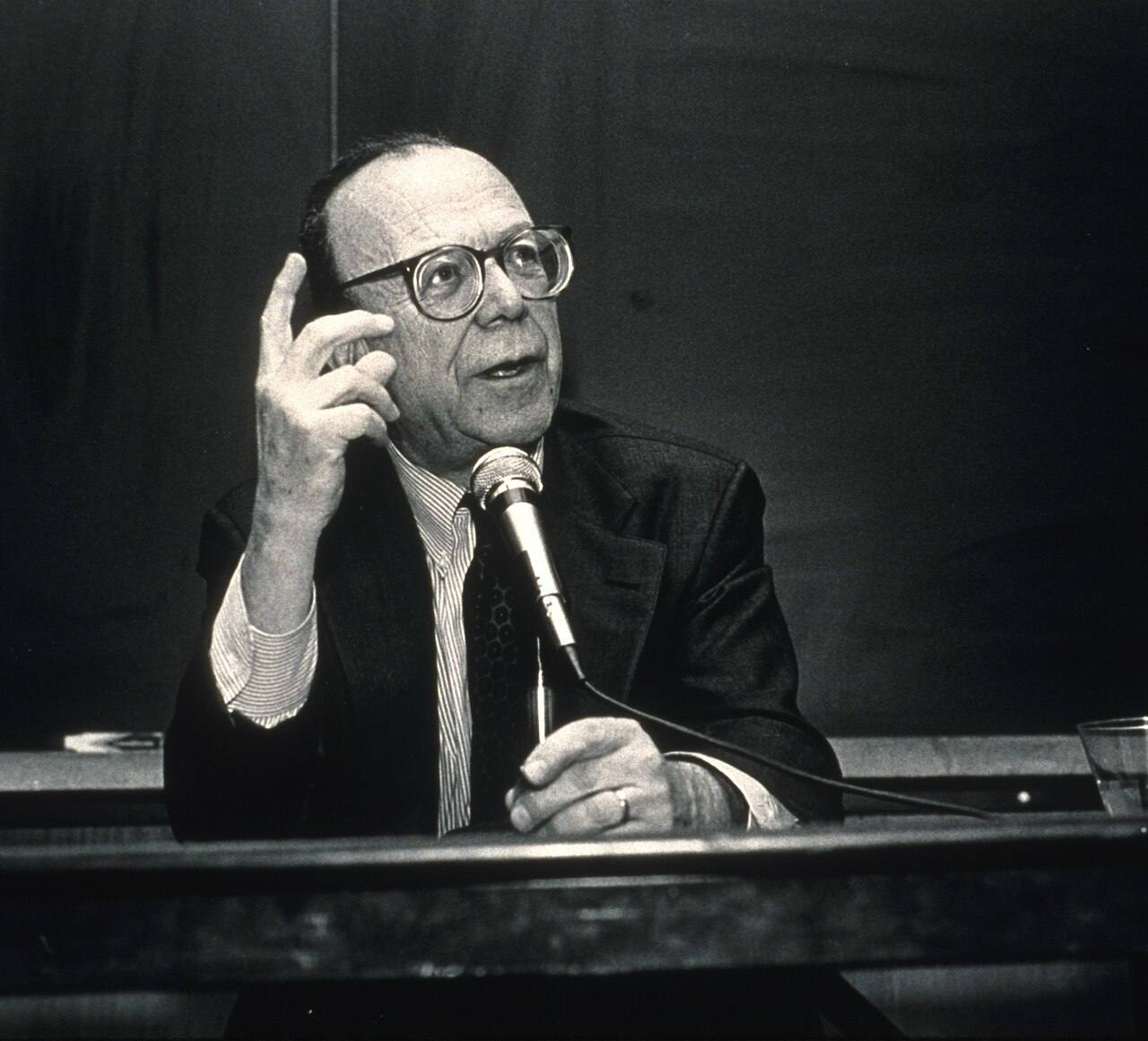
The Expert Dilemma
Over the past few decades, we've witnessed a growing dependence on experts to interpret complex issues. The rise of the information age has only heightened this reliance. However, with this dependency comes a multitude of problems. Experts often present their findings with a certainty that belies the complexities of their fields. This is especially true when they venture beyond their immediate expertise, making sweeping statements that can mislead the public.
Consider the recent debates surrounding climate change. While the scientific community largely agrees on the existence of human-induced climate change, the nuances of predictions regarding its impacts remain hotly contested. Yet, some experts have made definitive claims about future disasters, leading to public panic and political action that may not be fully warranted. This exaggeration of certainty can create a backlash against legitimate scientific inquiry, fostering skepticism among those who may have been inclined to listen.
When experts overreach, they risk alienating the very public they aim to inform.
Political Polarization and Expert Authority
The current political landscape exacerbates the issue of expert overclaiming. Both left and right-wing factions have their favored experts who often toe the party line. On the left, we see a tendency to elevate social science conclusions as definitive, particularly concerning social justice issues. While these studies provide valuable insights, they are sometimes presented as absolute truths, dismissing the complexities of human behavior and societal structures. This can lead to policies that may sound good on paper but falter in practice.
On the right, the economic narrative is often dominated by free-market advocates who cite expert analyses to justify deregulation and tax cuts. While there are legitimate arguments for such policies, they are frequently promoted with an overreliance on models that simplify human behavior and market dynamics. The result is a series of policies that may not only fail to deliver the promised benefits but could also exacerbate existing inequalities.
The Cost of Overclaiming
The consequences of these overclaims can be far-reaching. Public trust in experts is at a precarious juncture. When experts make bold assertions that later prove to be incorrect or overly simplistic, the public's faith in their authority diminishes. This erosion of trust can lead to an environment where genuine expert advice is met with skepticism, creating a dangerous cycle of misinformation.
Moreover, as experts become increasingly tied to political agendas, their credibility can be compromised. Policy decisions based on overgeneralized claims can lead to unintended consequences that affect millions. For instance, in the realm of healthcare, overly optimistic predictions about the outcomes of certain treatments may lead to public disillusionment when those results do not materialize.
Finding a Path Forward
To address the issue of expert overclaiming, a cultural shift is necessary. Experts must embrace the complexity of their fields and communicate their findings with appropriate nuance. Rather than presenting conclusions as indisputable facts, they should highlight the uncertainties and limitations inherent in their work. This approach not only fosters greater public understanding but also builds trust.
Furthermore, it is essential for the public to develop critical thinking skills to better evaluate expert opinions. An informed citizenry is less likely to be swayed by overreaching claims and more likely to engage in constructive discourse. Educational systems should prioritize teaching students how to assess sources and understand the intricacies of various fields.
Finally, there needs to be a push for accountability among experts. Professional organizations should encourage a culture of transparency, where experts are held to high standards not just for their findings, but also for how they communicate those findings to the public.
Conclusion: Reclaiming Expert Credibility
Expert overclaiming is a pressing issue that must be addressed if we are to navigate the complexities of modern society effectively. Both sides of the political spectrum have a role to play in fostering a culture of responsible discourse that values accuracy and nuance. Only by recalibrating our expectations of experts and encouraging a more informed public can we hope to rebuild the trust that is so vital in addressing the critical challenges of our time.
✦ ✦ ✦