From the file. Written for the paper dated July 1992. Opened in the public stacks July 14, 2026.
The recent national security leak has sent shockwaves through Washington and raised questions about the very fabric of our intelligence community. As politicians scramble to assign blame and rally their bases, it is crucial we focus on the procedures that have allowed such a breach to occur in the first place.

Questioning the Protocols
The events surrounding the leak are complex, and while the immediate reactions have been swift, they often lack the depth necessary for a thorough understanding. On one hand, the left is quick to decry the administration for its lack of oversight; on the other, the right seeks to exploit the situation to promote its agenda of increased military spending and further encroachments on civil liberties. In the midst of these clashing narratives lies a procedural issue that seems to be overlooked: the very systems designed to protect sensitive information.
How did classified information become accessible to unauthorized personnel? This is a question that should be at the forefront of the national dialogue. The protocols in place for managing classified material have been under scrutiny for years, yet reform has been glacial at best. Political posturing from both sides only distracts from the need for a comprehensive review of these procedures.
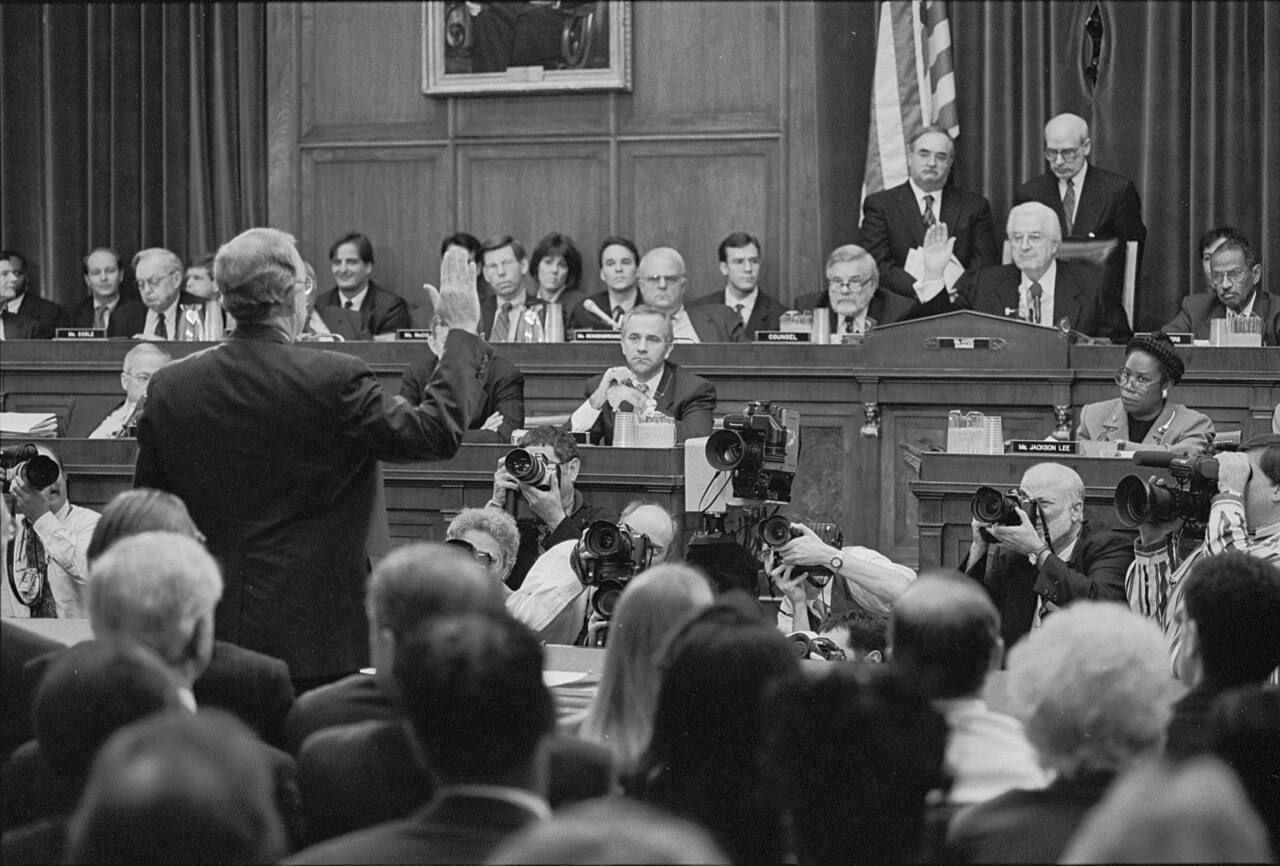
"The blame game may be politically expedient, but it does nothing to address the root of the issue."
The Left's Oversight
In the wake of the leak, many left-leaning commentators have pointed fingers at the current administration’s lack of accountability. They argue that this incident is emblematic of a broader failure to protect civil liberties while ensuring national security. However, while their critique may have merit, it often overlooks the responsibility of previous administrations to establish a robust framework for classified information.
Moreover, this critique can sometimes devolve into a simplistic narrative that ignores the complexities of global security. It is essential to recognize that the intelligence community operates under immense pressure to adapt to rapidly changing threats. While oversight is vital, a rigidly bureaucratic approach could hinder the flexibility needed in an ever-evolving landscape.
The Right's Militarization
Conversely, the right has seized upon the leak as an opportunity to justify an escalation of military spending and the expansion of surveillance powers. Their argument hinges on the assumption that an increase in funding will automatically translate to better security. However, this line of thinking runs the risk of becoming a knee-jerk reaction rather than a well-considered response to the problem at hand.
In an era where civil liberties are frequently pitted against national security, the right's approach may inadvertently lead to the erosion of the very freedoms they claim to protect. A focus solely on militarization neglects the importance of safeguarding democratic principles and could result in a society where citizens are constantly monitored under the guise of national security.
The Need for a Balanced Approach
As we navigate these turbulent waters, it is vital that we adopt a more balanced approach to national security. This means holding leaders accountable for their roles in establishing and maintaining effective protocols while also ensuring that measures taken do not infringe upon the rights of individuals. The current discourse, rife with partisanship and hyperbole, must evolve into a more constructive conversation that prioritizes solutions over blame.
One potential avenue for reform is the establishment of an independent body tasked with reviewing and recommending changes to the protocols governing classified information. This entity could operate free from the political influences that have historically plagued such discussions. Such a move would not only enhance transparency but also restore public trust in a system that has, in many ways, become opaque.
Conclusion
The national security leak is a wake-up call, revealing vulnerabilities that can no longer be ignored. As citizens, we must demand that our leaders engage in constructive dialogue aimed at reforming the systems that govern our national security. The conversations surrounding this leak should not devolve into partisan bickering but instead focus on creating a secure environment that respects civil liberties and upholds democratic values.
✦ ✦ ✦