From the file. Written for the paper dated June 1992. Opened in the public stacks July 14, 2026.
As the summer of 1992 unfolds, American ports are contending with unprecedented levels of congestion, a situation that is testing the limits of our supply chains and the patience of consumers alike. While the causes are multifaceted, the mechanics behind the chaos reveal the often-overlooked complexities of maritime commerce.
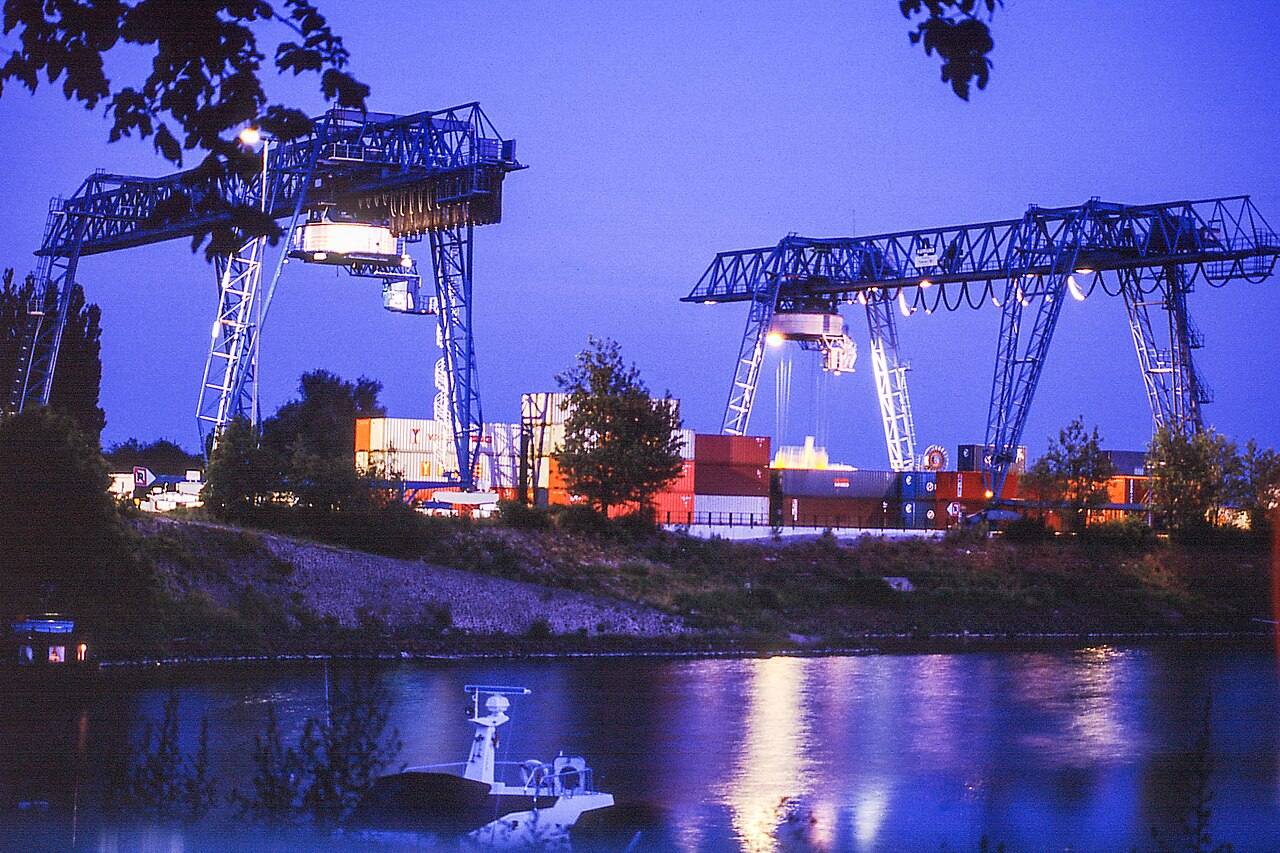
The Mechanisms of Congestion
In the bustling ports of Los Angeles and Long Beach, where container ships line the horizon as far as the eye can see, the congestion has reached critical levels. The sheer volume of imports has become overwhelming, exacerbated by labor disputes and the inefficiencies of aging infrastructure. As ships sit idle, waiting for a berth, the ripple effects are felt throughout the economy. Retailers and manufacturers are left scrambling, trying to manage their inventories amidst the uncertainty.
Experts in logistics point to the interplay of several factors contributing to the gridlock. A surge in imports, driven by consumer demand and the growth of international trade, is colliding with a lack of adequate facilities to process these goods. The ports, designed for a different era of shipping, are struggling to adapt to the scale of modern commerce.
Labor unions, while advocating for workers' rights, have also been a double-edged sword in this scenario. Disputes over wages and working conditions have led to strikes and slowdowns, further complicating the ability to move goods swiftly. In this environment, it is easy for both sides to dig in their heels, prioritizing ideology over the practical needs of the economy.
The Economic Ripple Effects
The effects of port congestion extend far beyond the docks. Retailers are facing delays in shipments, which may lead to empty shelves just as the summer shopping season begins. This could result in a rise in prices as demand outstrips supply. For consumers, the frustration is palpable as they confront rising costs and dwindling choices in stores across the country.
"The mechanics of port congestion are often drowned out by the noise of political rhetoric."
While the left often focuses on the plight of workers and the need for better labor conditions, they must also recognize the implications of labor actions on the broader economy. Conversely, the right's call for deregulation and a freer market can overlook the necessity for a well-functioning infrastructure that is vital for efficient commerce. Both sides risk losing sight of the bigger picture.
Politics and Policy
As political leaders scramble to address the growing crisis, the debates often veer into partisan territory. Proposals for increased funding to modernize port facilities have sparked contention, with some arguing that such investments are essential for the future of American competitiveness. Others see it as an unnecessary government expenditure, preferring to leave it to the private sector.
Yet, the question must be asked: Can we afford to let our ports languish in a state of disrepair? The international shipping landscape is evolving rapidly, and American ports must keep pace or risk falling behind. An efficient port system is not just a matter of convenience; it is a cornerstone of our economic framework.
A Call for Collaboration
To navigate these choppy waters, a collaborative approach is essential. Stakeholders from unions, shipping companies, and government must come together to find viable solutions that address both labor concerns and the pressing need for efficiency. As the situation continues to escalate, it is crucial to remember that the mechanics of port congestion are often drowned out by the noise of political rhetoric.
The Way Forward
While the current state of congestion may seem daunting, it is also an opportunity for innovation. The challenges presented could spur advancements in logistics technology and infrastructure investment that will benefit the economy in the long run. If we can put aside partisan divides and work toward a common goal, we may emerge from this crisis stronger and more resilient.
✦ ✦ ✦