From the file. Written for the paper dated February 1992. Opened in the public stacks July 14, 2026.
In a world dominated by global trade, the shipping lanes have become the arteries of commerce, facilitating the flow of goods across continents. As we delve into the incentives governing these routes, both the left and right reveal their distinct approaches, often veering into excess.
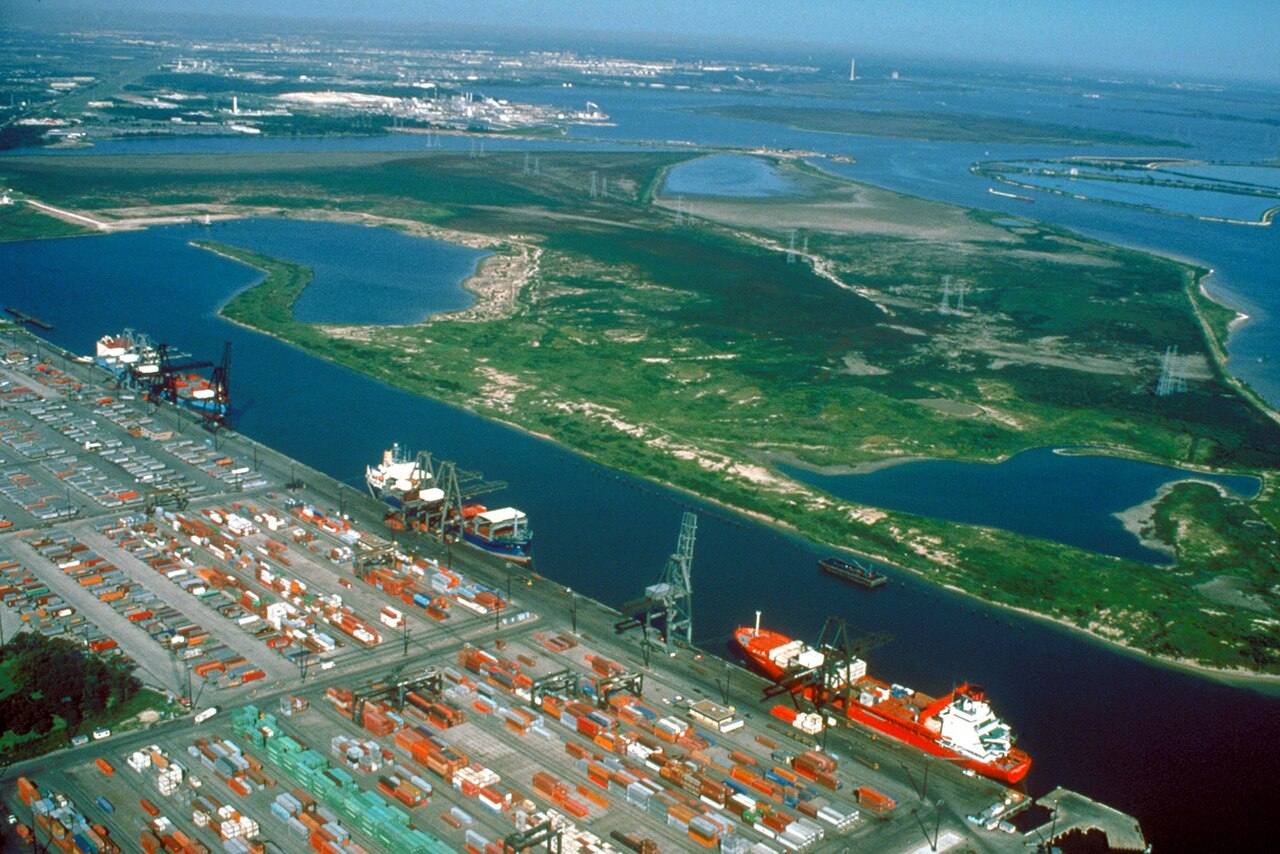
Governing the Waters: A Tug-of-War
The debate surrounding shipping lanes is a microcosm of the larger political discourse in America today. On one side, the left advocates for increased regulation to protect the environment and labor standards, while the right pushes for deregulation to enhance profitability and stimulate economic growth. The tension between these two perspectives is palpable, with each side claiming to champion the cause of the American worker.
Proponents of stricter regulations argue that the environmental implications of shipping cannot be overstated. Oil spills, emissions, and the ecological impact of large vessels on marine life are pressing concerns. The left’s emphasis on environmental protections is intended to safeguard our oceans but often leads to excessive red tape that can stifle innovation and efficiency in the shipping industry.

"Regulation is not the enemy; it’s about finding a balance that allows for growth while protecting our environment." - A prominent environmental activist
On the flip side, the right’s narrative centers on the need for a free-market approach to shipping. By minimizing government interference, they argue, the industry can thrive, leading to job creation and lower prices for consumers. However, this laissez-faire attitude can lead to neglect of crucial safety standards and environmental protections, placing profits over people and the planet.
Trade Agreements and Their Discontents
The ongoing discussions around trade agreements also reflect the ideological divide. The North American Free Trade Agreement (NAFTA) is on the horizon, and while it promises to open up markets, it has become a lightning rod for criticism. Advocates tout the economic benefits, yet many fear job losses in manufacturing sectors due to increased competition from abroad.
The left raises valid concerns about the potential for job displacement, particularly in industries vulnerable to overseas competition. However, their approach often devolves into protectionism that could result in retaliatory tariffs, further complicating trade relations and harming consumers. Meanwhile, the right's enthusiasm for free trade can dismiss these concerns altogether, advocating for a model that prioritizes corporate profits over the livelihoods of American workers.
Environmental Concerns vs. Economic Growth
As shipping routes expand, the environmental toll becomes increasingly evident. The left's push for stringent regulations often leads to public outcry from companies who argue that such measures threaten their survival. Yet, this perspective overlooks the potential for innovation in sustainable shipping practices. Environmental advocates need to recognize that a thriving economy can foster the very innovations they seek.
Conversely, the right's dismissal of environmental regulations can result in short-sighted policies that harm the very resources upon which the shipping industry relies. The balance between economic growth and ecological sustainability is delicate, and both sides must engage in constructive dialogues rather than entrenched positions.
The Human Element in Shipping
Another dimension often overlooked in the political discourse surrounding shipping lanes is the human element. Workers in the shipping industry deserve protections and fair wages, yet both sides frequently politicize labor issues without providing tangible solutions. The left focuses on unionization and workers’ rights, yet their proposals can sometimes alienate businesses, while the right’s emphasis on flexibility often comes at the expense of workers’ job security.
"We cannot forget that behind every statistic is a person - a family - who relies on fair wages and safe working conditions." - A labor union leader
In this tug-of-war between the left and right, the voices of those actually working in the shipping industry can be drowned out. Solutions that prioritize both the environment and the workforce will require compromise and collaboration rather than the current trend of excessive partisanship.
Charting a Course Forward
As we look ahead to the future of shipping and trade, it is imperative that we move beyond the extremes of left and right. Collaboration and understanding between both sides will be essential in developing policies that not only promote economic growth but also protect our environment and support our workforce. The shipping lanes are not just pathways for goods; they are symbols of the complex interplay between commerce, policy, and humanity.
The challenge before us is to navigate these waters with care, ensuring that our shipping lanes remain open and sustainable for generations to come. Only through a balanced approach can we hope to achieve a thriving economy that honors the rights of workers and the health of our planet.
✦ ✦ ✦