From the file. Written for the paper dated January 1992. Opened in the public stacks July 14, 2026.
As the filibuster debate continues to heat up on Capitol Hill, both sides of the aisle seem determined to portray their stance as the only righteous path forward. However, amid the clamor of partisan rhetoric, critical nuances are often lost in the shuffle.
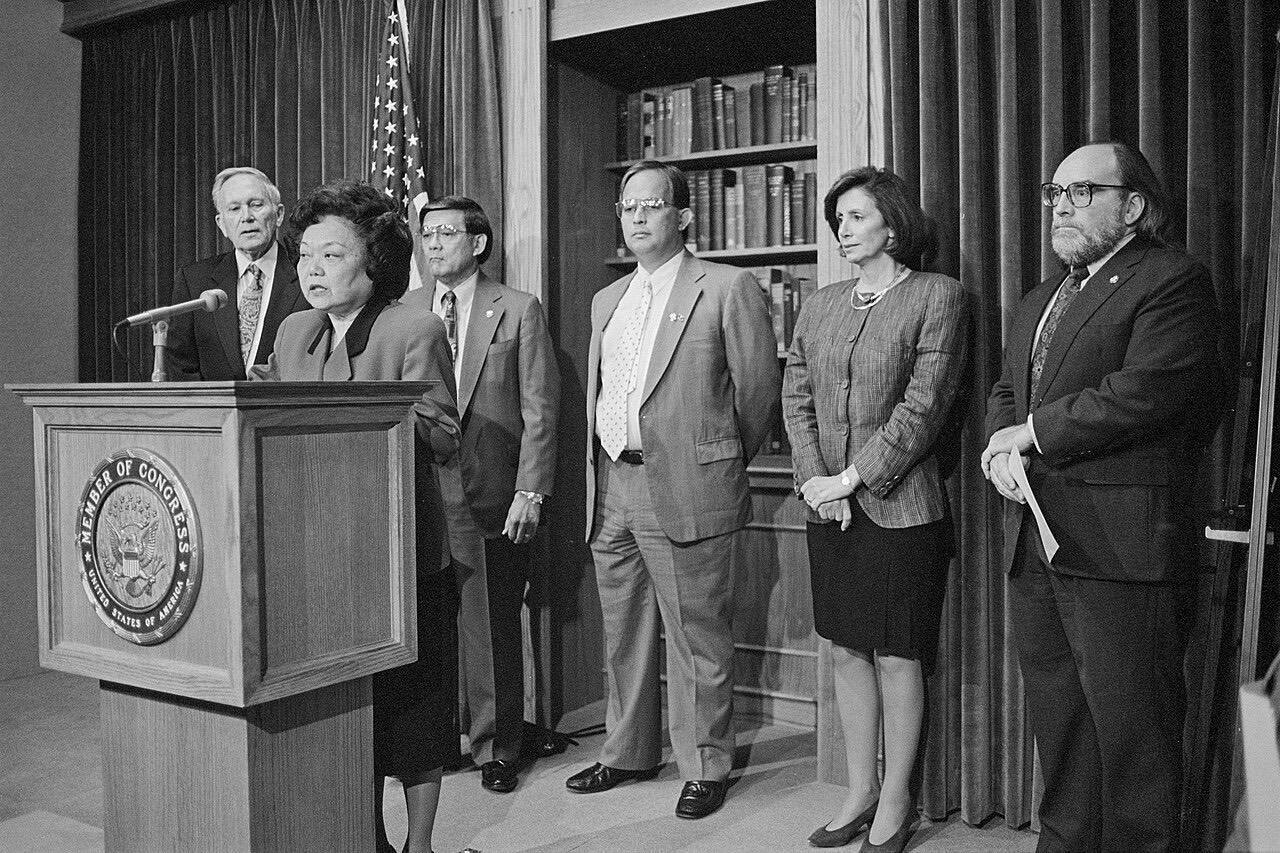
The Contours of the Filibuster Debate
The filibuster, a legislative tool that allows senators to delay or block a vote, is at the forefront of political discourse in January 1992. With the Democratic majority in the Senate pushing for reforms that could amend or eliminate this age-old practice, Republicans are mounting a fierce defense, arguing that the filibuster protects minority rights in a chamber designed to foster debate.
Yet, as both parties take their entrenched positions, what remains unaddressed is the broader context of how the filibuster has been used. It is not just a procedural matter; it is a reflection of the political climate and the willingness of lawmakers to engage in genuine dialogue. The current debate often neglects the historical misuse of the filibuster to obstruct civil rights legislation, where the tool became a weapon wielded by those who sought to maintain the status quo.
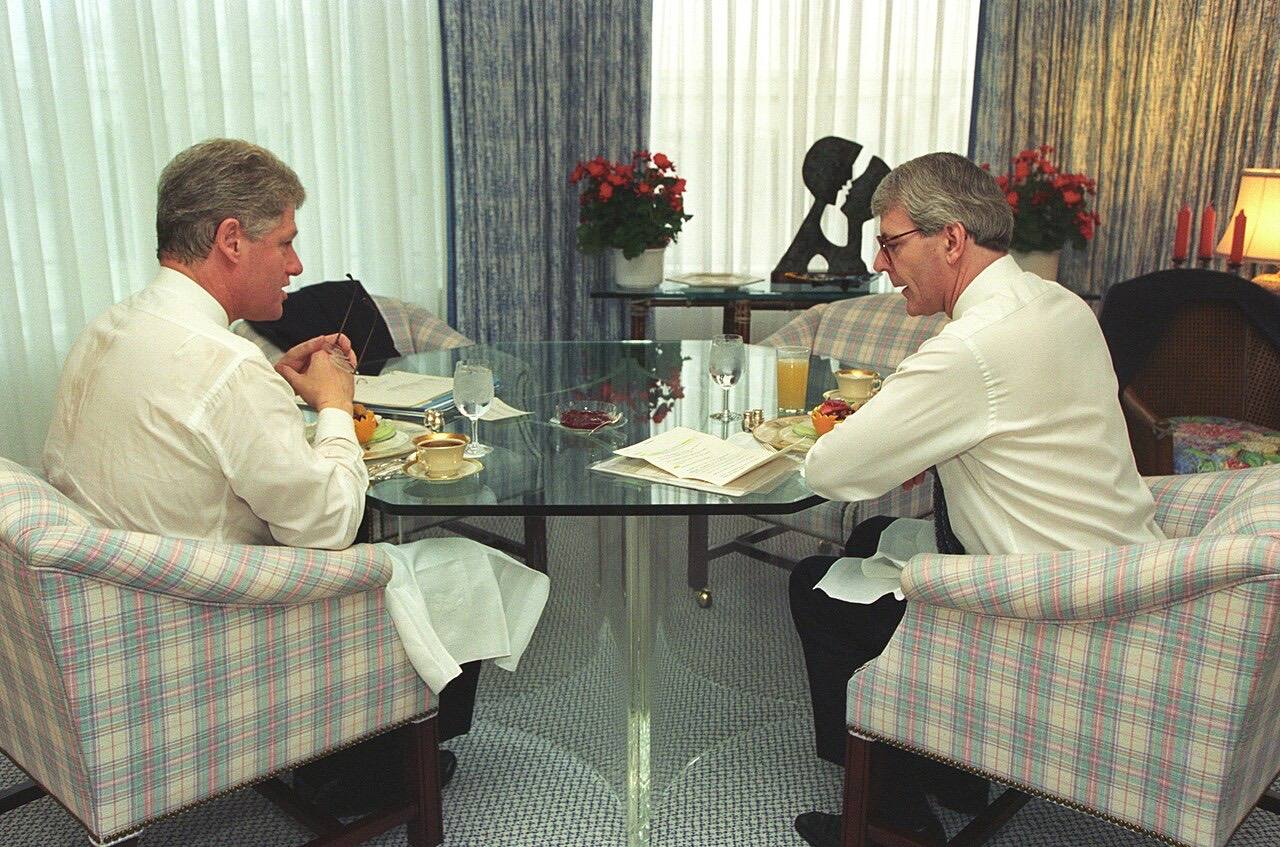
"The filibuster should not be a blanket shield for those resisting progress; it must be a tool for constructive debate."
Excesses on Both Sides
On one hand, the left's push to reform the filibuster often veers into the territory of dismissiveness towards legitimate concerns about minority rights. Rather than crafting a nuanced approach that balances efficiency with representation, some Democrats appear ready to dismantle the filibuster entirely, risking the very principles they claim to uphold.
Conversely, the right's defense of the filibuster can sometimes devolve into a fear-mongering campaign that paints reformers as radical extremists bent on dismantling the Senate's sacred traditions. This rhetoric serves to distract from the very real issues facing the American people, as it prioritizes procedural purity over substantive legislative progress. Both sides risk alienating the public, who are tired of political gamesmanship overshadowing meaningful governance.
What Is at Stake?
At the core of the filibuster debate lies the question of accountability. When senators can indefinitely delay a vote, they escape scrutiny for their positions. Voters are left without a clear understanding of where their representatives stand on critical issues. Reforming the filibuster could potentially force lawmakers to take more definitive stances, thus engaging more directly with their constituents.
However, any reform must be carefully considered. The filibuster can serve as a critical check against hasty legislation that does not fully consider the implications for all Americans. A world without the filibuster may lead to a path where the majority can push through sweeping changes without the necessary debate or public input.
"Reform should enhance, not hinder, the democratic process, fostering a culture of collaboration rather than division."
Engaging the Public
As the debate unfolds, it is essential for both parties to engage meaningfully with their constituents. The public is not merely a backdrop for political posturing; they are the ultimate arbiters of democratic processes. It is time for lawmakers to listen to the voices of the people rather than retreating into the echo chambers of their respective parties.
Furthermore, an informed electorate is crucial to a healthy democracy. Media outlets must strive to provide comprehensive analysis of the filibuster and its implications, moving beyond the soundbites that dominate the news cycle. Only through a well-informed public can we hope to navigate the complexities of legislative procedures and their impact on daily life.
A Path Forward
As we move further into 1992, the filibuster will undoubtedly remain a focal point of contention. Both sides must recognize the importance of compromise and the necessity of dialogue. Embracing reform should not mean abandoning the values that underpin our democracy. It is possible to balance the need for efficient governance with the protection of minority rights, but it requires a concerted effort to prioritize collaboration over conflict.
The future of the filibuster should not be settled in the heat of partisan battles but rather through thoughtful deliberation that seeks to uphold the principles of democracy while ensuring that all voices are heard. As we chart our course forward, let us not forget the lessons of the past and strive for a legislative process that reflects the will of the people.
✦ ✦ ✦