From the file. Written for the paper dated January 1992. Opened in the public stacks July 14, 2026.
As the debate over U.S. border policy escalates in this new year, it is crucial to examine not just the rules and regulations that govern our borders, but also the motivations and implications that often get left out of the briefings.
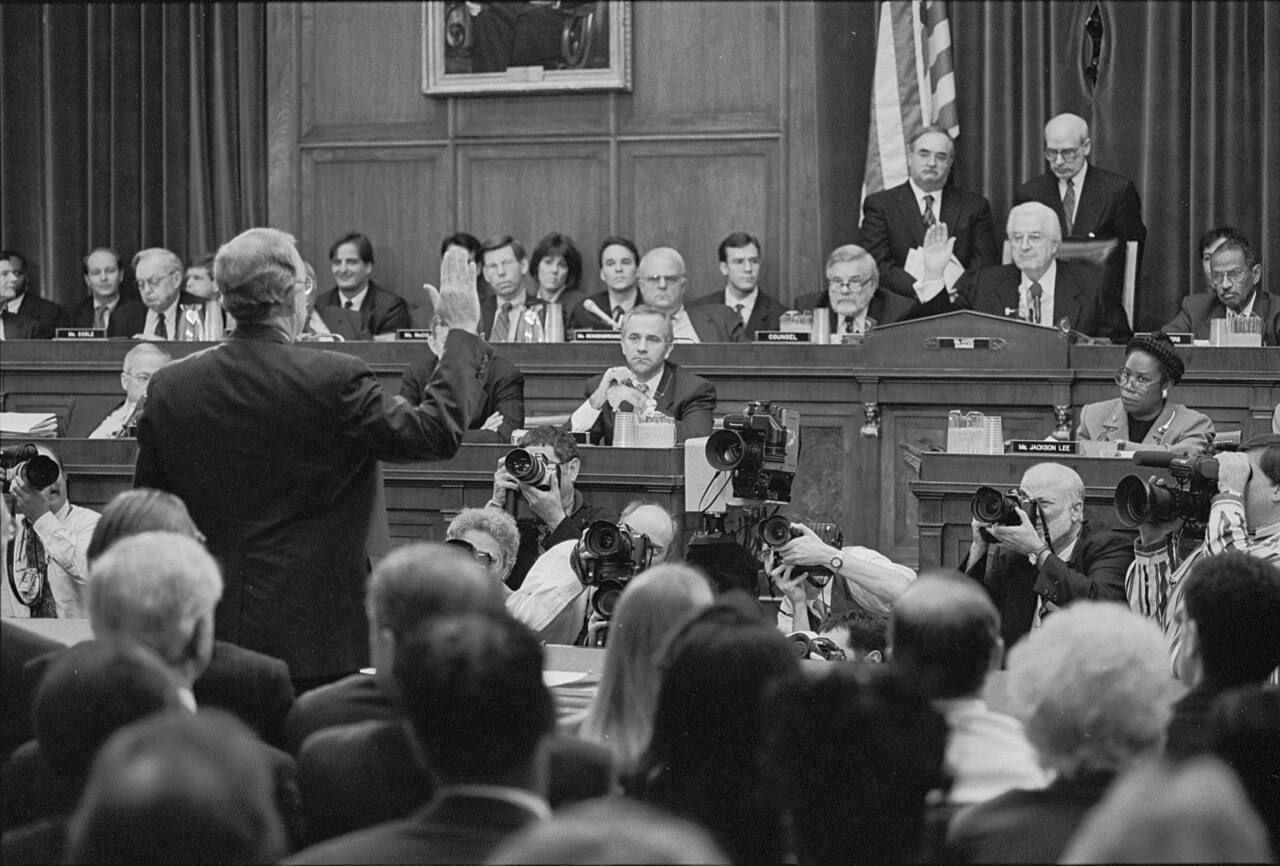
The Complex Reality of Border Enforcement
The recent focus on immigration policy has polarized public opinion, with advocates on both sides of the aisle pushing their respective agendas. On one hand, some on the left advocate for more compassionate approaches to immigration, emphasizing the humanitarian aspects of border crossings. On the other hand, voices from the right call for stricter enforcement measures, arguing that it is essential for national security and economic stability. While both perspectives present valid concerns, the mechanics of border policy often reveal a more complex reality that is overlooked in the heated debate.
Current policy discussions frequently highlight the need for better border security. However, they tend to gloss over the underlying factors that drive migration. Economic disparities, political instability, and the effects of U.S. foreign policy in Latin America are fundamental issues that need to be addressed if we are to develop a sustainable immigration strategy. Yet, these discussions remain conspicuously absent from congressional briefings and public speeches.
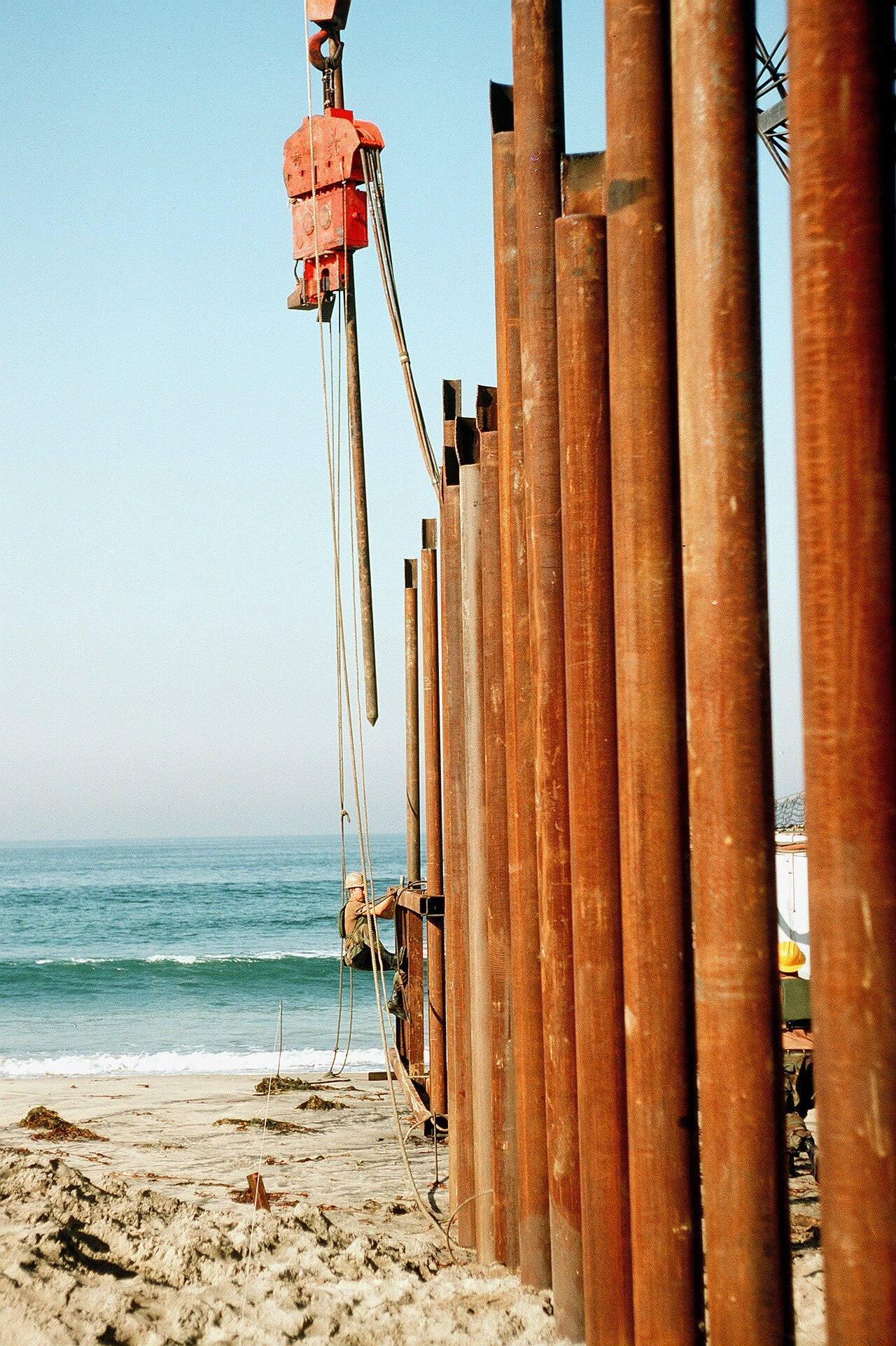
“The lack of a comprehensive understanding leads to policies that are reactive rather than proactive.”
Policy Implementation and Its Discontents
The mechanics of border enforcement are also plagued by inconsistencies. The current patchwork of laws and policies often leads to confusion and miscommunication among enforcement agencies. For example, the Immigration and Naturalization Service (INS) may have a different interpretation of policies than local law enforcement agencies, resulting in a lack of coordinated efforts at the border. This misalignment can hinder effective immigration control and create frustration for those involved.
Moreover, the focus on punitive measures, such as increased deportations and militarization of the border, often leads to human rights violations. Reports of mistreatment of detainees and families separated at the border are increasingly surfacing, raising ethical questions about the enforcement of immigration laws. Advocates for reform often point out that the emphasis on strict enforcement has overshadowed the need for humane treatment of individuals who cross the border seeking a better life.
The Political Game
It is essential to recognize that both the left’s and the right’s rhetoric can serve as political tools rather than genuine attempts to solve the immigration crisis. The left often resorts to emotional appeals, portraying immigrants as victims in desperate need of help, while the right employs fear tactics, painting a picture of a border overrun with criminals and threats to national security. This binary portrayal not only oversimplifies the issue but also stifles meaningful dialogue.
In the face of such extremes, moderate voices advocating for a balanced approach to immigration are often drowned out. These voices call for policies that recognize the contributions immigrants make to our society while also addressing legitimate security concerns. Yet, the political landscape rewards those who take the most extreme positions, leaving nuanced discussions on the sidelines.
“The political incentives in play often prioritize rhetoric over reasoned policy.”
Looking Forward: A Call for Comprehensive Reform
As we step into 1992, there is an urgent need for a comprehensive approach to border policy that transcends political divides. This requires a willingness to engage with the complexities of migration, including the socio-economic factors at play and the realities of enforcement. It is time for policymakers to move beyond soundbites and take meaningful action that reflects the best of American values - compassion, justice, and fairness.
Ultimately, the mechanics of border policy must be rooted in a thorough understanding of the issues at hand. This means including a wide array of voices in the conversation, from migrant advocates to law enforcement, and considering the various impacts of proposed policies. Only then can we hope to craft a system that is fair, effective, and reflective of who we are as a nation.
✦ ✦ ✦