From the file. Written for the paper dated September 1991. Opened in the public stacks July 14, 2026.
The aftermath of the recent State of the Union address reveals a sobering reality: both sides of the political aisle seem more invested in scoring points than in fostering genuine oversight and constructive dialogue.
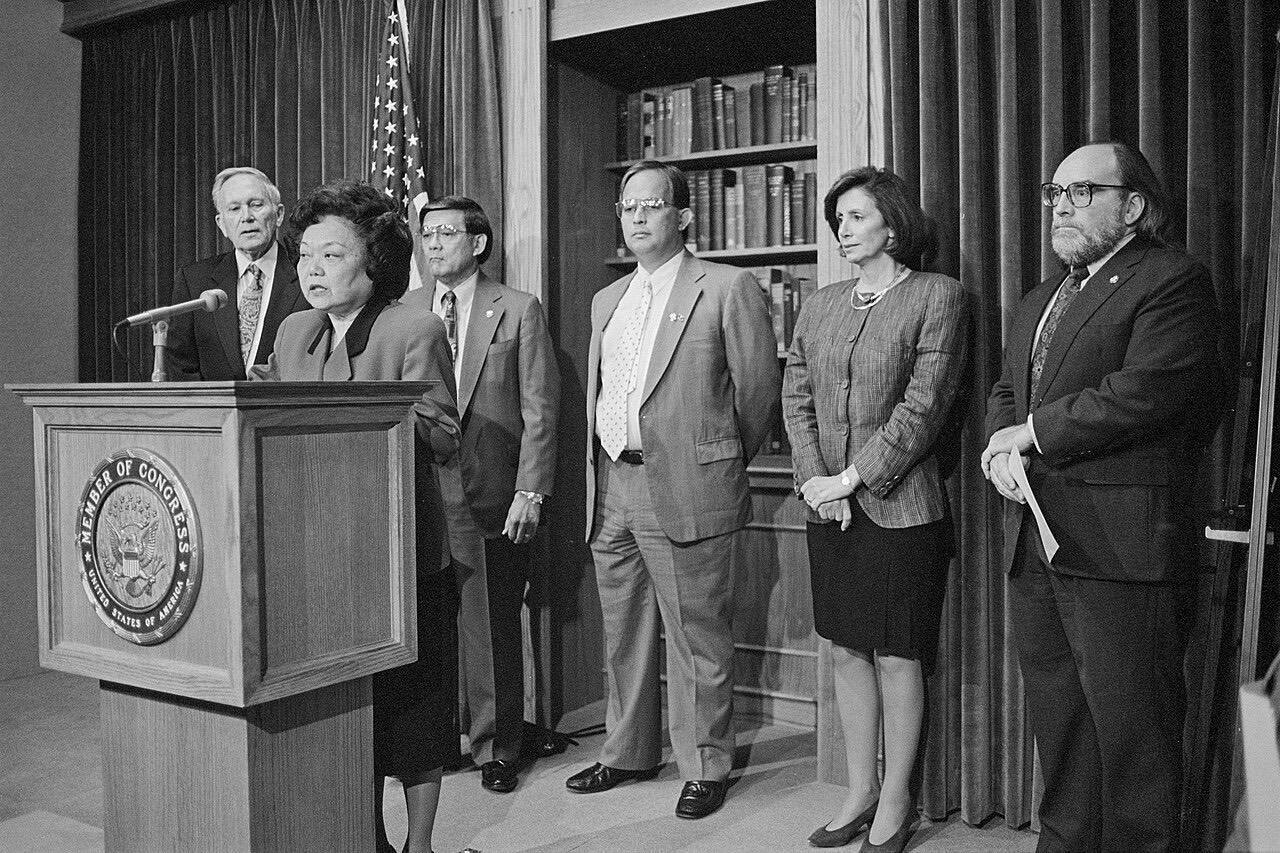
The Political Theater
The State of the Union address is often treated like a championship game, where each party dons its metaphorical team jersey, rallying supporters and denouncing opponents. This year, however, the spectacle has masked a troubling lack of substantive discourse about the pressing issues facing our nation. Instead of focusing on governance, we witness a relentless cycle of partisan rhetoric and tactical maneuvering.
On one hand, the right continues to push a narrative steeped in traditional values, advocating for a return to what they call 'American exceptionalism.' Yet, their policies often disregard the complexities of modern society, failing to address the very real inequalities that challenge this ideal. The call for less government intervention echoes loudly, but it raises the question: less intervention in what areas? The social safety net? Education? Health care? It seems that the ideal of minimal government has led to a gap in oversight that allows systemic issues to fester.

Conversely, the left has been equally guilty of excessive zeal, often resorting to a rhetoric that prioritizes ideology over practicality. Their calls for expansive government programs and sweeping reforms can feel more like a wish list than a viable plan. In their eagerness to champion social justice, they risk alienating moderate voices who are essential for achieving real change. The idealism, while noble, sometimes lacks the grounded approach necessary to address the nuanced realities faced by many Americans.
"In the end, neither side appears willing to step back and assess the broader implications of their policies."
Oversight and Accountability
The lack of oversight in both political camps is alarming. The right's insistence on deregulation has resulted in an environment where corporate interests often overshadow the needs of the public. Without checks on these entities, we risk allowing profit motives to dictate outcomes that affect the health, safety, and welfare of our communities.
Meanwhile, the left often turns a blind eye to the consequences of their proposed social programs, which can lead to dependency rather than empowerment. Their vision for a more equitable society is commendable, but the execution often falls short, leaving many to wonder whether the solutions being championed are truly effective or just another layer of bureaucracy.
Public Disillusionment
As both sides of the aisle indulge in their theatrics, the American public is left in a state of disillusionment. Polls suggest that many citizens feel disconnected from their representatives, questioning whether their voices are being heard at all. This sentiment reflects a growing frustration with a political system that seems more concerned with party loyalty than with serving the constituents who elected them.
The failure to engage in meaningful dialogue about accountability and oversight is detrimental to our democracy. The complexities of modern governance demand that we rise above the simplistic narratives that have become all too prevalent. The citizens deserve leaders who are willing to engage in difficult conversations, to confront uncomfortable truths, and to prioritize the long-term health of our nation over short-term gains.
A Call for Integrity
It is imperative that both sides of the political spectrum recognize the importance of integrity and accountability in governance. Compromise should not be viewed as a weakness, but rather as a strength that can lead to innovative solutions. A commitment to oversight must be at the forefront of any serious policy discussion. Without it, we risk perpetuating a cycle of failure that leaves our most vulnerable citizens behind.
✦ ✦ ✦