From the file. Written for the paper dated July 1991. Opened in the public stacks July 14, 2026.
As we dive into the latest retail sales figures, it becomes clear that the numbers tell a story that few are willing to confront: the underlying issues of consumer behavior and market dynamics that extend far beyond the surface-level statistics.
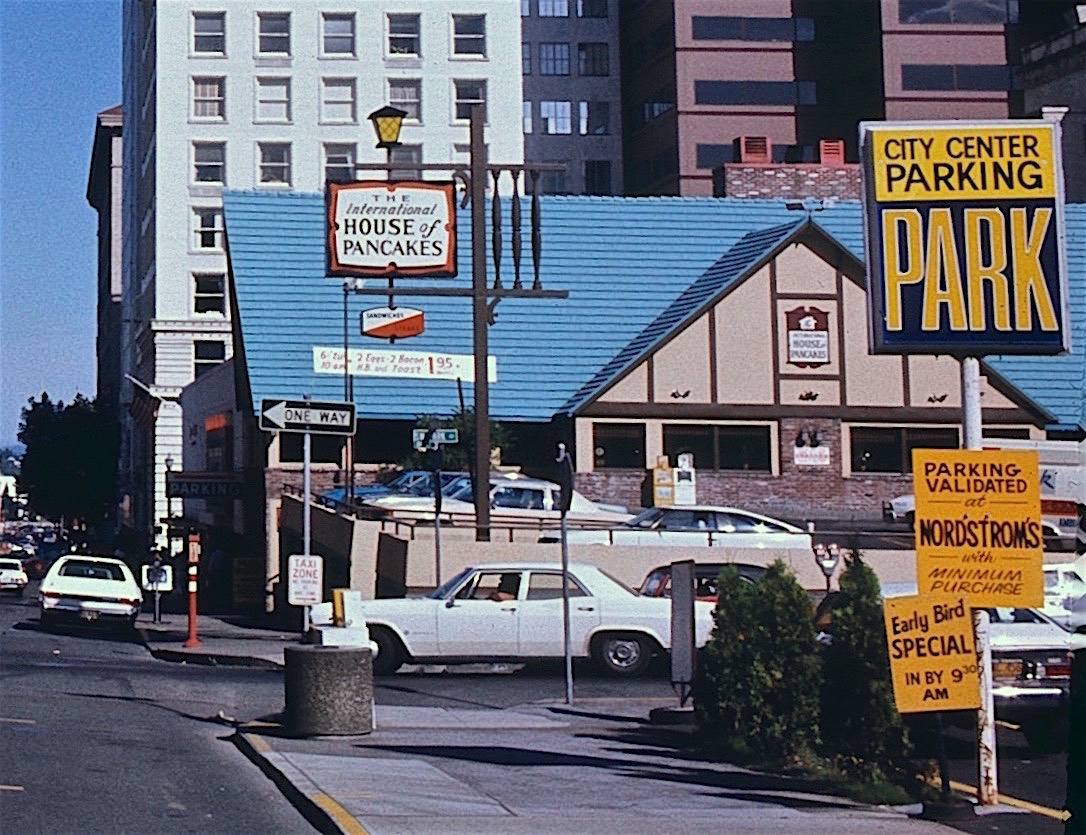
The Numbers Game
The latest reports indicate a mixed bag for retailers across the nation. While some sectors are thriving, others are struggling to keep their doors open. The overall retail sales figures have shown a modest increase, but a closer examination reveals troubling trends that merit a deeper discussion.
In the age of globalization, we see the rise of big-box retailers that dominate the landscape, squeezing out local businesses. This phenomenon is not just a byproduct of capitalism but a symptom of an economic culture that prioritizes convenience over community. Consumers often flock to these megastores, lured by lower prices and extensive selections. However, this convenience comes at a cost, as local shops face mounting pressures to compete.

Retail sales are not just about numbers; they reflect a complex interplay of consumer choices and economic policies.
Consumer Choices and Economic Implications
The current retail climate raises questions about consumer priorities. Are we merely chasing discounts, or are we considering the broader implications of our purchasing habits? The growing popularity of discount retailers and online shopping is not just a trend; it's a shift in how we value products and services.
This shift has economic implications that extend to employment, wages, and even the social fabric of our communities. Many retail workers find themselves caught in a cycle of low wages and unstable hours, a reality that often goes unmentioned in the grand narratives of retail success. As we celebrate increasing sales, we must also confront the reality that many workers are left behind in this evolving landscape.
The Political Spectrum: Right and Left Excesses
The discussions surrounding retail sales often fall prey to the extremes of both political sides. On one hand, conservatives frequently tout the benefits of free-market capitalism, promoting deregulation and tax cuts as the keys to retail success. However, this mantra often overlooks the consequences of unfettered capitalism, such as income inequality and the erosion of local economies.
On the flip side, progressives argue for stricter regulations and support for small businesses, yet they can sometimes overlook the importance of consumer choice and market competition. While advocating for fair wages and better working conditions is essential, it is equally important to recognize that excessive regulation can stifle innovation and drive consumers away from local shops.
Finding a balance between supporting local businesses and ensuring consumer choice is critical for a sustainable retail environment.
Striking a Balance
The challenge lies in finding a middle ground where both consumer interests and community needs are met. Policymakers, business leaders, and consumers must engage in a dialogue that acknowledges the complexities of the retail landscape. Solutions should not be one-size-fits-all; instead, they should be tailored to support local economies while respecting consumer freedoms.
One potential avenue for compromise is the promotion of local goods within larger retail settings. By integrating local products into big-box stores, we can create a win-win situation: consumers enjoy the convenience of one-stop shopping while supporting local artisans and businesses. This approach not only enriches the consumer experience but also contributes to the vitality of local economies.
Looking Ahead
As we navigate this complex terrain, it is crucial for all stakeholders - retailers, consumers, and policymakers - to engage in constructive conversations. Rather than resorting to partisan extremes, we must work collaboratively to foster a retail environment that values both consumer choice and community well-being.
In the coming months, we can expect more discussions around retail sales trends, especially as the holiday season approaches. However, let’s not forget the importance of addressing the procedures and implications behind the numbers. The future of retail is not just about sales figures; it is about creating a sustainable ecosystem that benefits everyone involved.
✦ ✦ ✦