From the file. Written for the paper dated July 1991. Opened in the public stacks July 14, 2026.
In a climate where the public increasingly demands transparency from their government, the issue of lobbying disclosure takes center stage. Yet, amidst the fervor for reform, few are willing to tackle the complexities of the lobbying process itself.

The Veiled Influence of Lobbyists
As Congress gears up to address the pressing need for comprehensive lobbying reforms, the discourse is rife with both fervent advocates and staunch opponents. The left champions the cause, citing the need for accountability and transparency, while the right often frames the narrative around defending free speech and the rights of individuals to petition their government. However, both sides of the aisle seem to overlook a crucial aspect: the intricacies and realities of lobbying practices that extend far beyond mere disclosure.
On one hand, proponents of stringent lobbying regulations argue that the current system allows for undue influence from powerful corporations and special interest groups. They paint a vivid picture of shadowy figures whispering into the ears of elected officials, swaying policy decisions that affect the lives of everyday Americans. The idea is compelling, and it resonates with a public increasingly skeptical of the motives of their elected representatives. Yet, the left's approach often lacks nuance, failing to recognize that lobbying can also serve a vital role in representing various interests, including those of marginalized communities.
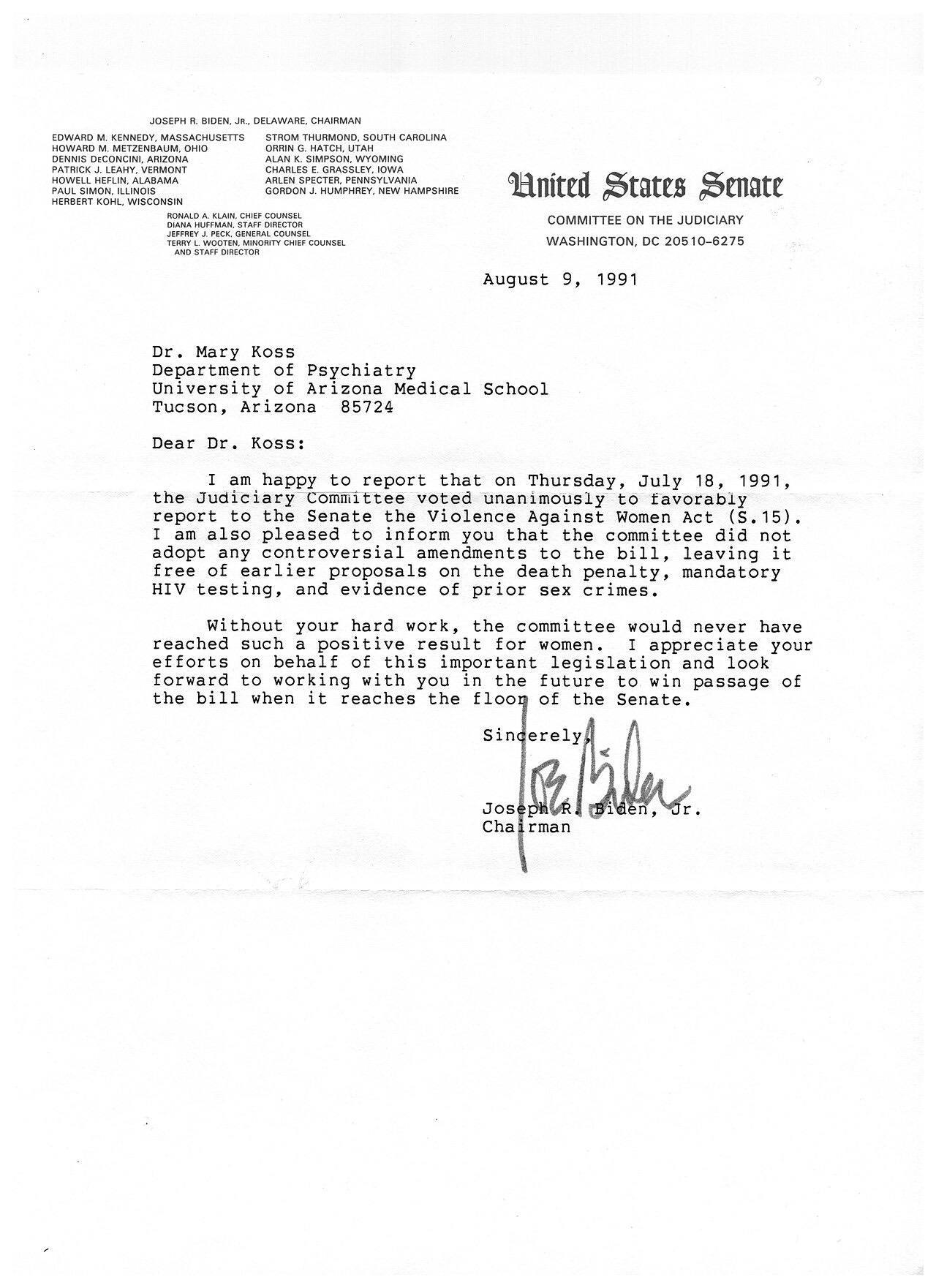
Conversely, the right's defense of lobbying practices often descends into a blanket assertion that any regulation is an infringement on constitutional rights. This argument, while rooted in principles of freedom, tends to ignore the potential for corruption and the disproportionate access that well-funded lobbies enjoy. By dismissing the need for transparency, they risk alienating a populace that is rightfully concerned about the integrity of their political system.
The Complexity of Disclosure
At the heart of the lobbying disclosure debate lies a fundamental misunderstanding of what such disclosure would entail. Advocates for reform often call for lobbyists to register and disclose their activities, finances, and affiliations. While this sounds reasonable in theory, the practical implementation raises significant questions. What constitutes lobbying? How do we differentiate between legitimate advocacy and influence peddling? A one-size-fits-all approach may inadvertently stifle grassroots movements while failing to address the real power dynamics at play.
Moreover, the very act of disclosure could lead to unintended consequences. The increased paperwork and regulatory burdens might drive smaller advocacy groups out of the game entirely, consolidating power in the hands of those who can afford to navigate the labyrinthine bureaucracy. The irony is that the push for transparency could ultimately undermine the diversity of voices in the political discourse.
"The complexity of lobbying practices cannot be reduced to a simplistic narrative of good versus evil."
Finding a Middle Ground
In seeking solutions, it is essential to foster a dialogue that encompasses the diverse views on lobbying and its impact on democracy. Instead of viewing the issue through a partisan lens, lawmakers should aim for a balanced approach that acknowledges the multifaceted nature of lobbying. This could involve creating tiered disclosure requirements based on the size and scope of lobbying efforts, ensuring that smaller organizations are not unduly burdened while still holding larger entities accountable.
Furthermore, public engagement in the process is critical. Encouraging citizens to participate in discussions around lobbying will help demystify the process and empower individuals to advocate for their interests. Education campaigns focused on the role of lobbying in democracy can help bridge the gap between the political elite and the general populace.
The Role of the Media
As the media, we have a responsibility to scrutinize both the left's and right's narratives about lobbying. Sensationalist headlines that merely stoke the flames of outrage will not serve the public interest. Instead, we must commit to investigating the nuances of lobbying practices, exposing abuses while also highlighting the legitimate needs for representation. It is only through a thorough examination of the mechanisms of influence that we can foster a more informed citizenry capable of holding their government accountable.
✦ ✦ ✦