From the file. Written for the paper dated June 1991. Opened in the public stacks July 14, 2026.
In the cacophony of political discourse today, the concept of federalism emerges as a critical point of contention, provoking both fervent support and vehement opposition from various factions across the spectrum.

The Tension Between State and Federal Authority
As the United States grapples with numerous pressing issues, from healthcare reform to education policy, the clash between state and federal authority takes center stage. Proponents of state autonomy argue for the necessity of local governance, positing that states are better equipped to address the unique needs of their constituents. However, such a stance can often tip into an excessive dismissal of federal oversight, leading to a patchwork of inconsistent policies that hinder national progress.
On the other side of the aisle, the federal government is frequently viewed as a necessary arbiter, ensuring that civil rights and essential services are uniformly available across the nation. Yet this perspective can devolve into an overreach, with Washington bureaucrats imposing one-size-fits-all solutions that ignore regional differences and undermine the principle of local control.
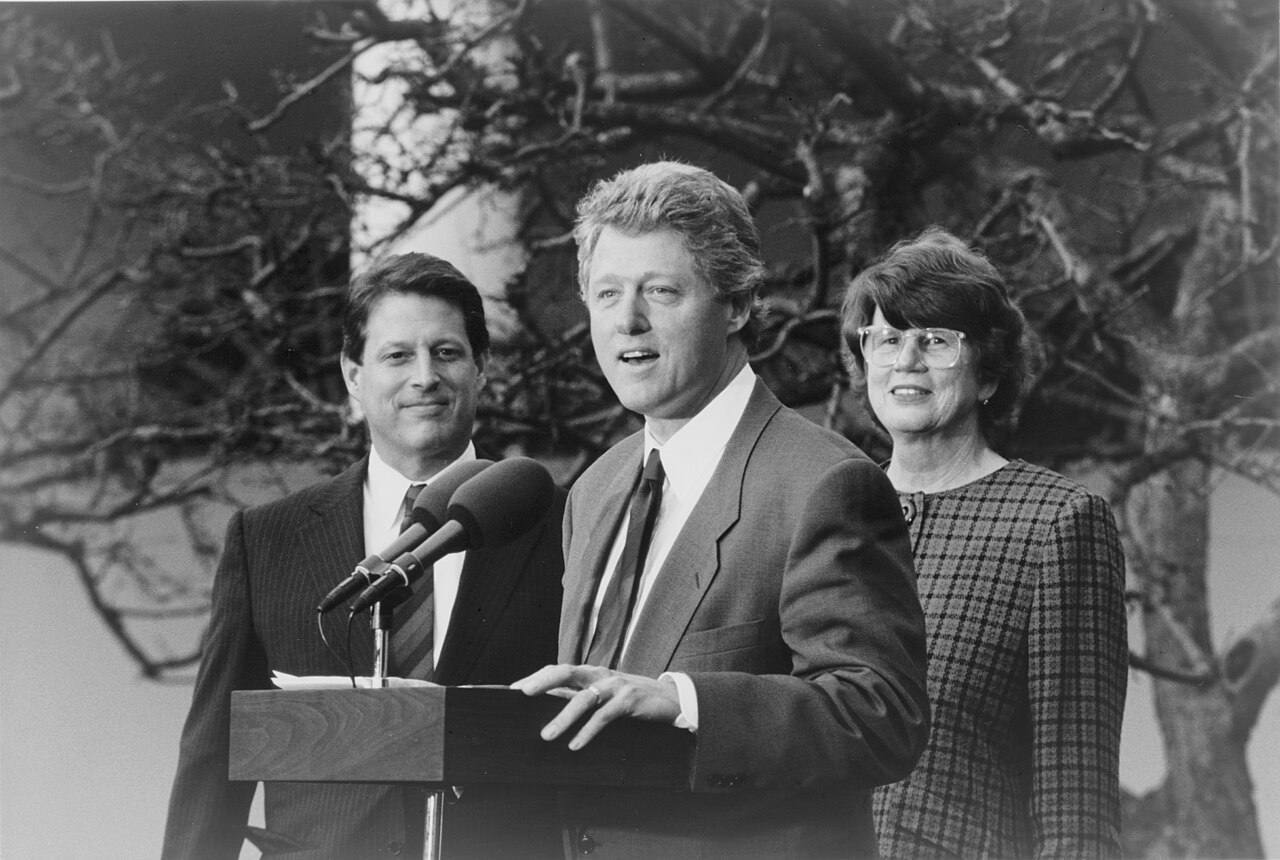
"Federalism is intended to provide flexibility, but it often becomes a battleground for ideological battles."
Echoes of the Past and Present
Historically, the tug of war between state and federal powers has shaped the American political landscape. The Constitution itself was crafted to balance these authorities, allowing for a dynamic interplay that adapts to evolving societal needs. However, in the current climate, this balance appears precarious. Polarization runs rampant, with both sides resorting to hyperbolic claims to bolster their arguments.
The left often portrays any attempt to limit federal power as a regressive move that threatens hard-won civil rights, while the right characterizes federal interventions as an infringement on personal freedoms and state sovereignty. This binary thinking reduces a complex issue to mere slogans, overshadowing the nuanced realities of governance.
The Stakes of Federalism
As debates rage over budget allocations, social programs, and environmental regulations, the stakes of federalism become increasingly pronounced. The left's push for expansive federal programs aims to elevate standards of living but risks stifling innovation and local responsiveness. Conversely, the right's advocacy for reduced federal involvement seeks to empower states but may foster inequities that leave vulnerable populations without essential resources.
For instance, consider the ongoing discussions surrounding healthcare. A federally mandated program could ensure that all citizens have access to medical services, but it may also lead to bureaucratic inefficiencies and a lack of responsiveness to regional healthcare needs. Alternatively, leaving healthcare policy to the states could result in a race to the bottom, where competing states cut vital services to attract business.
A Call for Pragmatism
What is needed now is a commitment to pragmatism over partisanship. Federalism should not be a battleground for ideological extremes; instead, it should serve as a platform for collaboration. Policymakers must recognize that neither the federal government nor the states have a monopoly on wisdom. By fostering dialogue and cooperation, we can work towards solutions that respect both local autonomy and the need for national standards.
The challenge lies in crafting policies that are both effective and equitable. This requires an understanding that the mechanisms of federalism, while often viewed as mundane, are vital to the functioning of our democracy. They must be navigated carefully, balancing the legitimate needs for both state and federal capabilities.
Conclusion: Reclaiming Federalism
As we move further into the complexities of the 1990s, it is imperative that we reclaim the narrative surrounding federalism from the extremes. Let us not allow the noise of political excess to drown out the essential conversations that must take place if we are to achieve a more just and equitable society. Federalism is not merely a dry legal framework; it is the mechanism through which we can address the diverse needs of our nation, provided we approach it with the seriousness and respect it deserves.
✦ ✦ ✦