From the file. Written for the paper dated May 1991. Opened in the public stacks July 14, 2026.
In an age where the lines between truth and falsehood blur with alarming ease, the fabric of our republic frays under the weight of rumor.
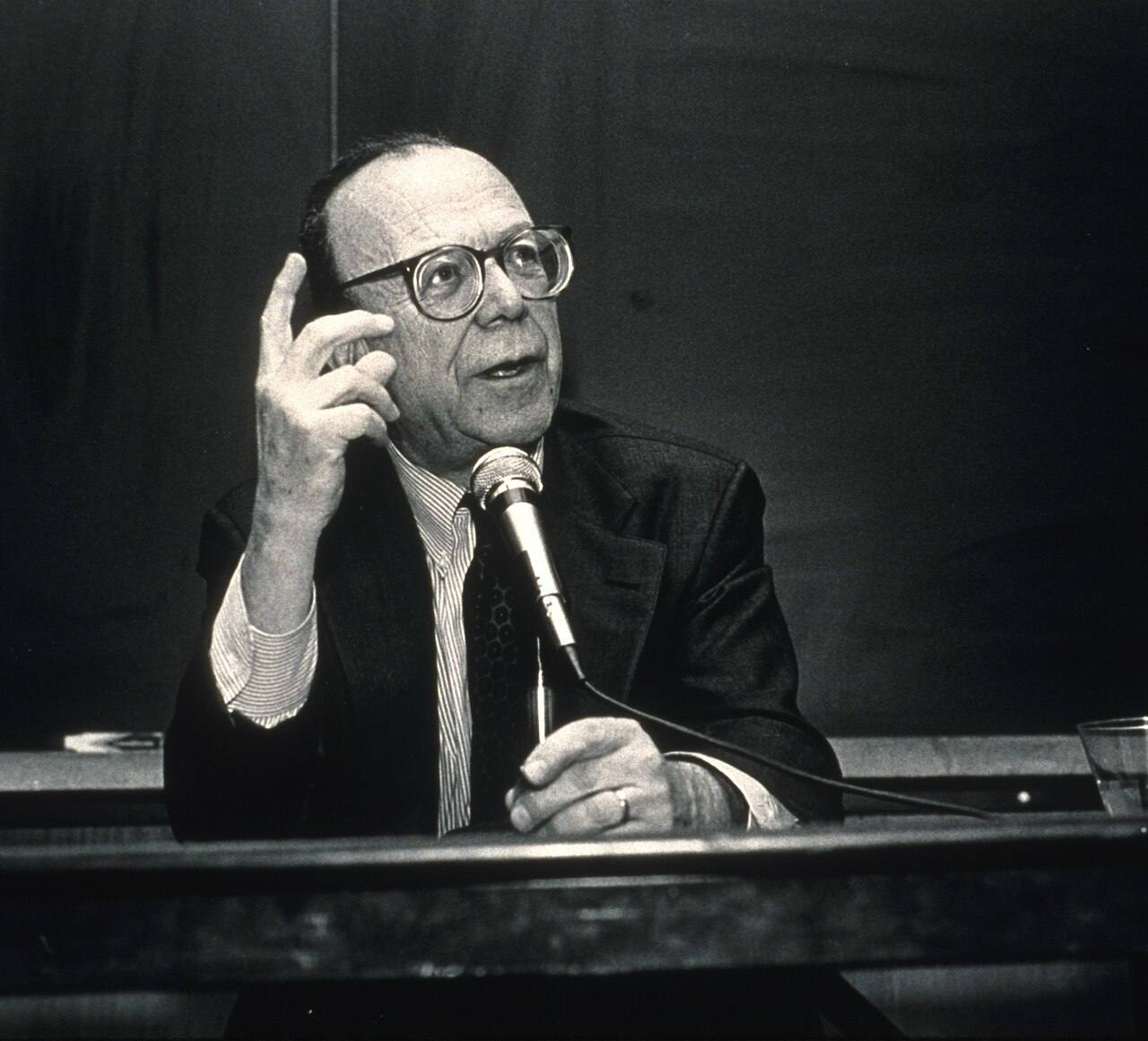
The Role of Rumor in Our Republic
As we traverse the tumultuous landscape of American politics in May 1991, we are confronted with a paradox. The very institutions designed to uphold democracy - the media, the government, and civil society - are simultaneously embroiled in a crisis of confidence. This crisis is exacerbated by the rampant spread of rumor and misinformation, which can often overshadow substantiated facts. The question we must grapple with is whether our commitment to identity and ideology is leading us to ignore the evidence that should guide our understanding of the truth.
On one side, the left has embraced a moral absolutism that appears to dismiss the nuances of complex issues. The recent debates surrounding topics such as environmental policy and social justice have been marked by extreme positions that often leave little room for constructive dialogue. While the desire for progress is commendable, the insistence on rigid ideological conformity risks alienating those who might otherwise be allies. Indeed, the left's fervor to protect marginalized voices sometimes devolves into a reflexive rejection of dissenting opinions, leading to an echo chamber where rumor can flourish unchallenged.

Conversely, the right has often resorted to a populist rhetoric that prioritizes sensationalism over substance. The recent surge in conspiracy theories - be it regarding the federal government’s role in various crises or the motives behind social reforms - illustrates a troubling trend. The more facts are presented, the more entrenched some factions become in their beliefs. The incessant drumbeat of “fake news” serves to delegitimize any critical reporting that does not align with their worldview. In this toxic atmosphere, rumor becomes a weapon, wielded to bolster preconceived notions rather than illuminate the truth.
“In the age of information, ignorance is a choice.”
Both sides of the political spectrum must recognize that the strength of our democracy relies on a commitment to evidence-based discourse. The rapid dissemination of information in our society, while empowering in many respects, also presents a unique challenge. The advent of 24-hour news cycles and the proliferation of talk radio has created an environment where speculation often masquerades as fact. This is particularly troubling when the public is inundated with stories that lack rigorous journalistic standards. The appetite for sensational stories can easily lead to the spread of half-truths and outright fabrications.
The responsibility lies not only with the media but also with the consumers of information. Citizens must cultivate discernment in their consumption of news, seeking to understand the basis of the claims being made. This requires a vigilant and informed public that actively questions the narratives being presented, regardless of political affiliation. An informed citizenry is the bedrock of a healthy republic, and it is essential for the preservation of our democratic institutions.
A Call for Accountability
It is crucial for both the left and right to hold their respective leaders accountable for the narratives they promote. Politicians and pundits must recognize that their words carry weight, and their failures to substantiate claims can have far-reaching consequences. The public deserves transparency and rigor, not rhetoric designed to incite outrage or fear. Instead of further entrenching divisions, both sides must seek common ground rooted in factual evidence.
Moreover, media organizations must also reflect on their role in this cacophony of voices. In the race for ratings and the quest for audience engagement, some media outlets have compromised their integrity. The sensationalism that often dominates headlines overshadows the hard-hitting investigative journalism that is vital for a functioning democracy. A recommitment to journalistic ethics is necessary to restore faith in the media as a reliable source of information.
As we navigate this precarious moment in our republic, we must remain vigilant. The challenge is not simply to distinguish between fact and fiction but to engage in a broader conversation about what it means to participate in a democratic society. It is imperative that we foster a culture where evidence is valued over identity, and where healthy discourse can thrive amid the cacophony of opinions.
In the end, our republic can only thrive if we collectively reject the excesses of both the left and the right. We must prioritize a commitment to truth - one that transcends partisan divides and seeks to build bridges rather than walls. If we fail to do so, we risk allowing rumor to dictate the terms of our political engagement, undermining the very foundations of our democracy.
✦ ✦ ✦