From the file. Written for the paper dated May 1991. Opened in the public stacks July 14, 2026.
As the debate surrounding federalism intensifies, it has become increasingly clear that the clash between state and federal authority is less about policy and more about identity.
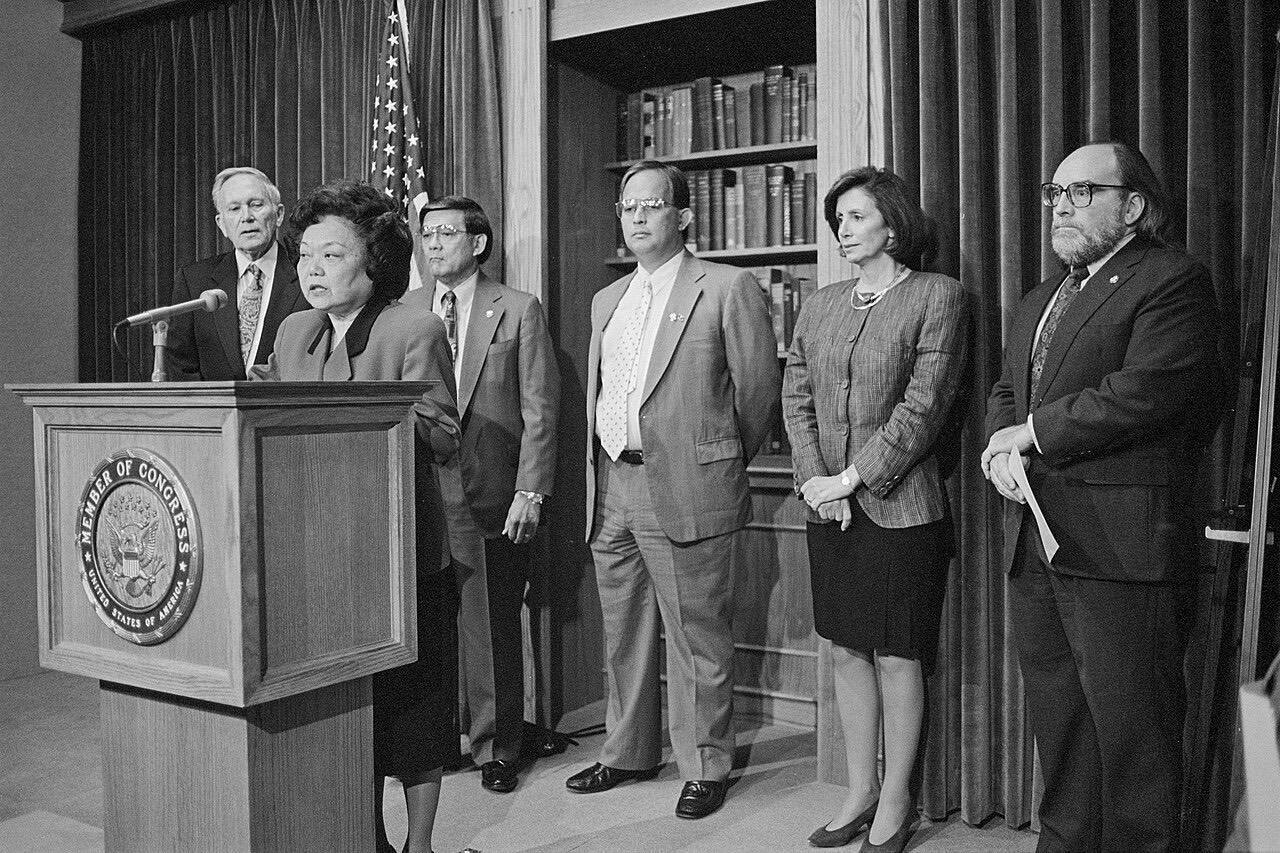
The State of Disunion
In recent months, we have witnessed a growing rift between state governments and the federal administration, particularly in areas like education, healthcare, and environmental regulations. This clash is not merely a matter of legal jurisdiction; it has morphed into a struggle over the identity of what it means to be American, with both sides of the political spectrum digging in their heels.
The Right has long championed the idea of states' rights, invoking the principle of federalism to argue against federal overreach. Yet, in doing so, some conservatives have lost sight of the very values they claim to uphold. The push for state control can sometimes feel less like a defense of local governance and more like a rejection of federal accountability, especially when it comes to issues such as civil rights and environmental protections. For instance, the rhetoric surrounding the recent wave of anti-abortion legislation has shifted from a focus on states' rights to a moral absolutism that overlooks the complexities of individual circumstances.

On the other hand, the Left has not been without its own excesses. While advocating for federal intervention in various social issues, progressives often dismiss the legitimate concerns of state autonomy and local governance. There is a tendency to view federal solutions as the only viable answer to societal problems, ignoring the unique challenges and values of individual states. This one-size-fits-all mentality can alienate those who may actually benefit from tailored, state-level solutions.
"The clash between state and federal authority is less about legal jurisdiction and more about identity."
Tension in the Air
The federalism debate has reached a fever pitch, with both sides entrenched in their positions. The Right invokes the Founding Fathers, arguing for a return to the original intent of the Constitution, while the Left champions a strong federal government as a bulwark against social injustices. This tension has created an environment where compromise is seen as weakness, and dialogue has been replaced by dogma.
Take, for example, the ongoing debates over education policy. The push for national standards has encountered fierce resistance from state officials who argue that local control is essential for addressing the unique needs of their communities. However, the irony is that some of these same officials are quick to embrace federal funding, which comes with its own set of strings attached. This hypocrisy is emblematic of a broader trend where ideological purity takes precedence over practical governance.
Looking for Common Ground
As we navigate these tumultuous waters, it is essential to seek common ground between the two extremes. Acknowledging the legitimacy of state-level governance does not mean rejecting the need for federal oversight. Conversely, advocating for federal solutions should not come at the expense of local input and control. The ideal approach must balance the scales, ensuring that both state and federal governments work in tandem to solve the pressing issues of our time.
One potential path forward lies in fostering more robust dialogues between state and federal officials. Collaborative efforts that bring together voices from both sides can create a more nuanced understanding of the challenges at hand. Furthermore, embracing a culture that values compromise and open-mindedness will be crucial in bridging the divide.
It is also imperative for citizens to engage in this discussion. The current political climate has led to a dangerous polarization, where people feel compelled to choose sides rather than explore the complexities of governance. Voter engagement and grassroots movements can play a vital role in shifting the narrative from one of division to one of collaboration.
A Call to Action
As we stand at this crossroads of federalism, it is essential for both the Right and the Left to reassess their approaches. The stakes are high, and the consequences of inaction are dire. Let us not forget that at the heart of this debate is the American identity itself. Federalism should not be a battleground for ideological warfare but rather a platform for enriching our democracy through diverse perspectives.
As we move forward, let us strive for a future where evidence informs our decisions, rather than identity dictating them. A commitment to understanding the complexities of governance will not only foster better policies but also a more united nation.
✦ ✦ ✦
For local service context, see Brainrecoverycenters.