From the file. Written for the paper dated April 1991. Opened in the public stacks July 14, 2026.
As Congress convenes for an oversight hearing this week, the tension between public claims and documented records has come to the forefront, exposing the fractious divide between left and right.
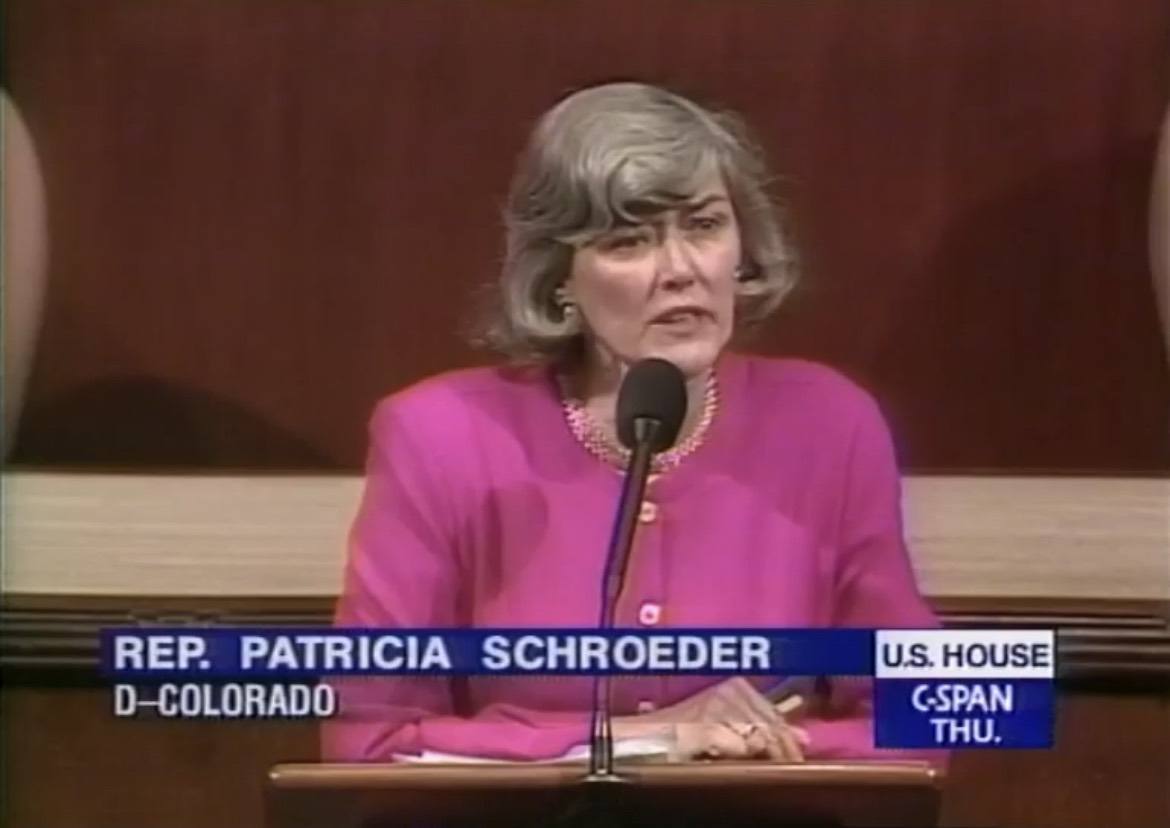
Public Accountability Under Scrutiny
In a political climate where rhetoric often outstrips reality, the upcoming oversight hearing serves as a critical juncture for both parties to address the discrepancies between their public statements and the actual records. With the nation still grappling with the aftermath of the Gulf War and domestic issues like the economy and social welfare, the stakes couldn’t be higher.
On one side, the Democrats are rallying around the narrative of accountability and transparency. They have accused the Bush administration of manipulating facts to justify military actions and policy decisions. The left has seized upon this moment to call for a more robust oversight mechanism, arguing that the American people deserve to know the truth behind their government’s actions.
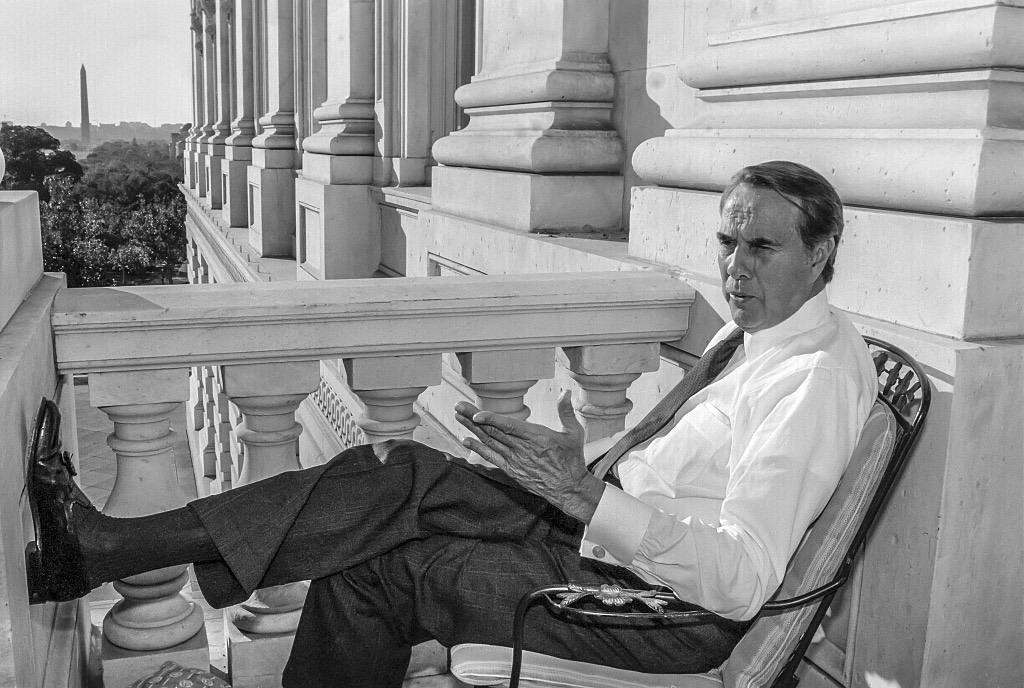
However, the Democrats’ calls for accountability are often laced with their own hyperbole. Some representatives have been known to exaggerate the consequences of governmental decisions, painting a picture that borders on the apocalyptic. This tendency toward dramatization can detract from legitimate concerns, risking public trust in their motives.
Right-Wing Claims and the Reality Gap
Conversely, the Republicans are equally guilty of presenting a skewed version of reality. In their fervent defense of the administration, many have claimed that the Gulf War was a decisive victory for American values and interests. Yet, the long-term implications of that conflict remain ambiguous, and the quick triumph touted by party leaders often overlooks the complexities involved.
The GOP’s insistence on portraying all criticism as unpatriotic has stifled meaningful dialogue. By framing dissenters as anti-American, they risk alienating a segment of the population that seeks genuine discussion on the implications of military engagement and foreign policy. This binary thinking does not serve the American public well, as it oversimplifies nuanced issues.
As the hearing unfolds, representatives from both sides will likely leverage selective information to bolster their arguments. The challenge is for Congress to sift through the noise and arrive at a consensus that prioritizes the public’s right to know. Accountability should not be a partisan issue, yet the current atmosphere suggests it may well be.
The Role of Media in Shaping Perceptions
The media plays a pivotal role in this landscape, tasked with the responsibility of scrutinizing claims made by both parties. Unfortunately, sensationalism often prevails over substantive reporting. The focus tends to be on sound bites rather than thorough investigations. Consequently, the public remains ill-informed, and the political discourse becomes increasingly polarized.
For instance, outlets that cater exclusively to one political ideology can further entrench partisan divides, leaving little room for a balanced perspective. This phenomenon calls into question the integrity of the fourth estate, as the aim of journalism should be to inform rather than inflame. As the hearing approaches, it is imperative for journalists to remain vigilant and strive for equitable reporting.
“Accountability should not be a partisan issue, yet the current atmosphere suggests it may well be.”
Calls for Bipartisanship
Among the cacophony, a few voices are advocating for bipartisanship in the pursuit of accountability. Some legislators recognize that cooperation across party lines is essential to restore public trust. They argue that oversight should be a collaborative effort, grounded in a shared commitment to the American people rather than partisan gain.
However, the road to bipartisanship is fraught with challenges. Both parties must confront their tendencies to oversimplify complex issues and avoid accountability when it suits their agendas. As the hearing progresses, it will be telling to see whether genuine dialogue emerges or if we are left with more of the same political theater.
Ultimately, it is crucial for Congress to demonstrate its ability to hold itself accountable. This oversight hearing is not merely a procedural exercise; it has the potential to reshape public perceptions of government and the political process itself.
✦ ✦ ✦