From the file. Written for the paper dated March 1991. Opened in the public stacks July 14, 2026.
As the nation grapples with pressing economic issues, port congestion has emerged as a choke point in the flow of goods, revealing how institutions often prioritize their own interests over the collective well-being.

Understanding the Congestion Crisis
In recent months, major ports along the East and West Coasts have faced unprecedented congestion, leaving cargo ships languishing at sea and delaying the delivery of vital goods. This crisis is not merely an inconvenience; it is a stark reminder of the fragility of our supply chains and the systemic failures within the institutions that manage them.
As the economy shifts gears in the wake of the Gulf War, the demand for imports has surged, yet our port infrastructure has not kept pace. The bottlenecks at major trade gateways like Los Angeles and New York have sparked frustration among businesses and consumers alike. Yet, the responses from both government and industry leaders have been less than satisfactory, often highlighting the self-serving tendencies that plague institutional decision-making.
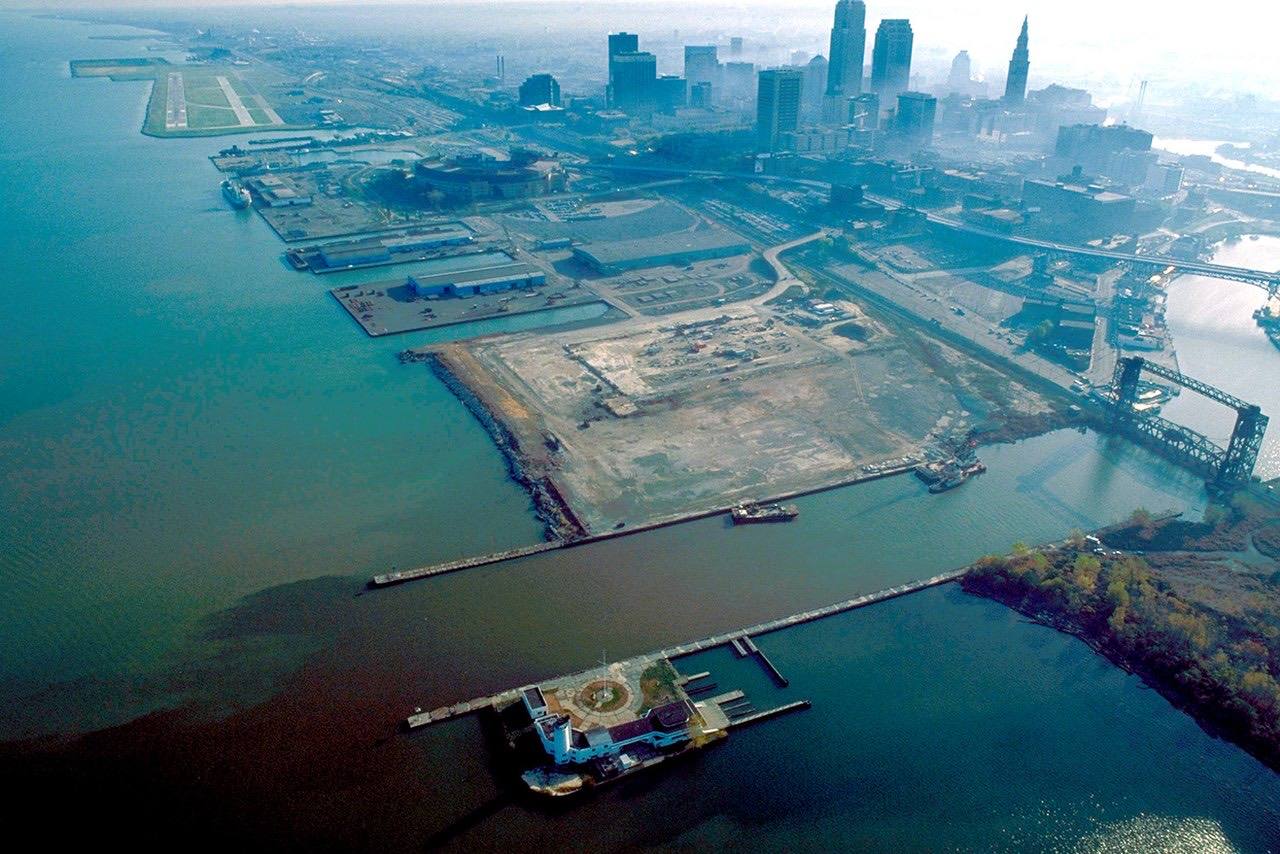
Institutional Responses: Protecting Their Own
The response to port congestion has been marked by a rather disappointing trend: institutions appear more focused on protecting their interests than addressing the crisis at hand. Shipping companies, for instance, have been quick to blame labor unions for delays, asserting that dock workers are responsible for the sluggish turnaround times. This scapegoating conveniently distracts from the role of shipping companies in perpetuating the crisis through overbooking and inadequate staffing during peak times.
"It seems that everyone is pointing fingers, while the ships sit idle off the coast." - A frustrated business owner
On the other side, labor unions have countered these accusations by emphasizing their commitment to safety and fair labor practices, insisting that they will not compromise on working conditions simply to expedite cargo handling. While their position is understandable, one cannot ignore the reality that inflexible labor policies may further entrench the delays. The tug-of-war between shipping companies and unions serves as a microcosm of broader societal conflicts, where the focus on self-interest often overshadows collaborative solutions.
The Role of Government
Government agencies have also played a crucial role in this conundrum. While the federal government has announced plans to allocate funds to improve port infrastructure, critics argue that these measures are insufficient and lack urgency. Local governments, on the other hand, have been caught in a web of bureaucratic red tape, struggling to implement necessary reforms to alleviate congestion. Regulation often serves as a barrier rather than a facilitator of progress, leaving many to wonder if public officials are more concerned with maintaining the status quo than enacting meaningful change.
Consumer Impact and Economic Consequences
As consumers face rising prices and empty store shelves, the implications of port congestion extend far beyond shipping delays. The economic ripple effects are profound, with small businesses bearing the brunt of the crisis. Many rely on timely shipments to keep their shelves stocked and their operations running smoothly. When ports are bogged down, it is often the local diner or boutique that suffers, while larger corporations can weather the storm.
Furthermore, the implications of congestion are not just economic; they touch on national security and public health. Critical imports such as medical supplies and food may be delayed, putting vulnerable populations at risk. In a nation that prides itself on efficiency and responsiveness, the current state of our ports raises serious questions about our preparedness in times of crisis.
Finding Common Ground
To navigate this congested landscape, all stakeholders must recognize that collaboration is not only beneficial but essential. Shipping companies must invest in better logistics and embrace technology to streamline operations, while labor unions should engage in open dialogue to address concerns without compromising safety. Government agencies must cut through the red tape and take decisive action to improve infrastructure and expedite necessary reforms.
Conclusion: A Call for Action
As it stands, the port congestion crisis is emblematic of a broader failure within our institutions - one that prioritizes protectionism over problem-solving. In an era where economic and social challenges are mounting, it is imperative that we move beyond finger-pointing and work collaboratively toward sustainable solutions. The stakes are too high, and the consequences too dire, to let self-interest dictate our responses.
✦ ✦ ✦