From the file. Written for the paper dated January 1991. Opened in the public stacks July 14, 2026.
In an era defined by ideological battles, the cost of certainty is being reckoned not only in political terms but also in the fabric of our daily lives. As we navigate the complexities of the current climate, both the left and the right seem to be embracing an unsettling brand of certainty that often excludes critical perspectives.
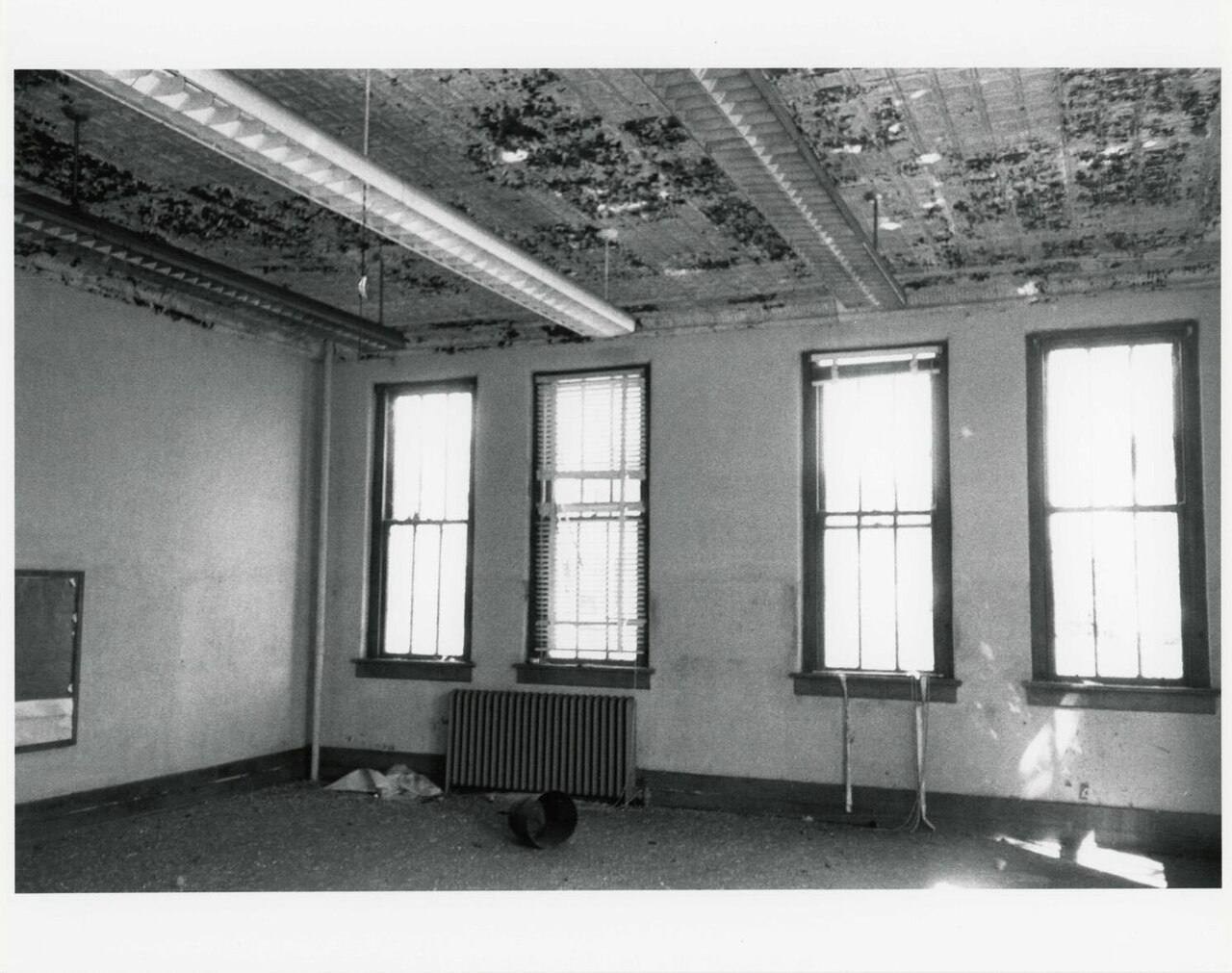
The Illusion of Certainty
The political landscape in January 1991 is a vivid illustration of how certainty can be wielded as both a weapon and a shield. On one side, we have the right, advocating for a robust military response in the Gulf, emphasizing the necessity of a decisive victory over Iraq. Their unwavering stance presents itself as a bastion of national pride and resolve, often at the expense of nuanced debate. The danger here lies in the oversimplification of a complex international crisis, where the call for a swift and unyielding response can drown out voices advocating for diplomacy and dialogue.
Conversely, the left's response often swings to the opposite extreme. In its quest for peace, some factions appear to dismiss the very real threats posed by totalitarian regimes. They argue passionately against military intervention, framing their position as a moral high ground, yet sometimes neglecting the broader implications of inaction. In this polarized environment, the left risks alienating those who understand the necessity of a balanced approach to foreign policy.
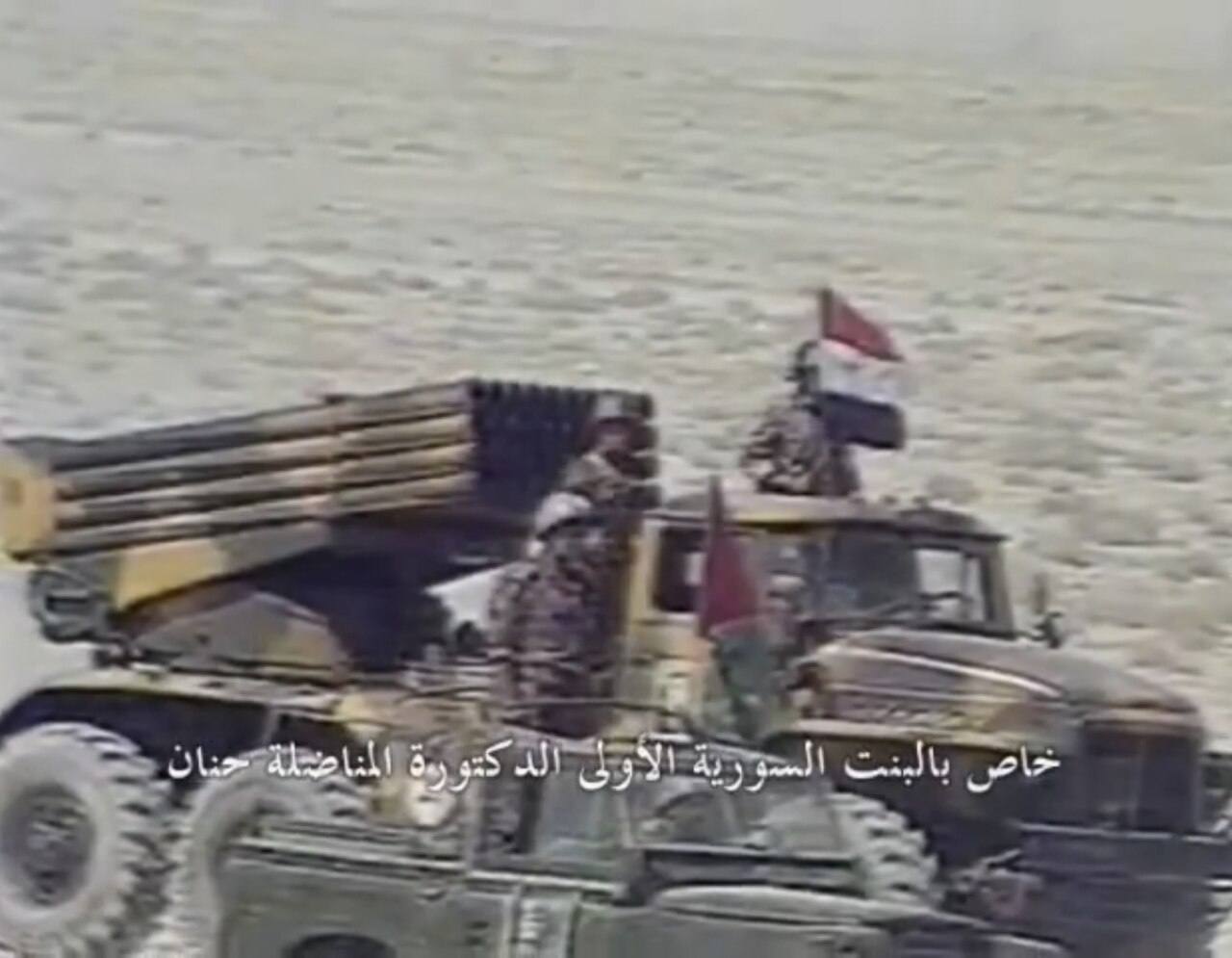
What Gets Left Out of the Briefings
Amidst this cacophony of certainty, critical voices and alternative viewpoints frequently go unheard. The briefings provided to both the public and policymakers often present a single narrative, one that emphasizes either the imperative of military action or the need for total restraint. What gets left out? The myriad of consequences that neither side appears willing to address.
For instance, the ramifications of war extend beyond the battlefield. They ripple through economies, affect civilian populations, and alter the geopolitical landscape in ways that cannot be fully understood through a lens of stark black and white. In our rush to adopt one of these jerseys, we often ignore the rich tapestry of human experience that lies in the gray areas of conflict.
"In our rush to adopt one of these jerseys, we often ignore the rich tapestry of human experience that lies in the gray areas of conflict."
The Price of Partisanship
As partisanship continues to grow, the price of certainty becomes increasingly high. Both sides of the political aisle are guilty of prioritizing their narratives over the pursuit of truth. The right touts its military might as a measure of patriotism, while the left claims moral superiority through pacifism. Yet, what they both overlook is the importance of fostering dialogue and understanding, especially in a world that is becoming ever more interconnected.
As citizens, we must ask ourselves: What does our certainty cost us? Are we willing to sacrifice the opportunity for genuine discourse in exchange for the comfort of being right? The challenge lies in embracing uncertainty and complexity, recognizing that there are no easy answers to the questions we face.
Moving Forward
The journey ahead requires us to step outside the confines of our ideological jerseys. It demands a willingness to engage with ideas and perspectives that challenge our own. As the situation in the Gulf unfolds, let us not forget the importance of balance. We must advocate for a foreign policy that is informed by a mix of strength and diplomacy, one that takes into account the human cost of our decisions.
Moreover, we must hold our leaders accountable, urging them to present us with a fuller picture rather than a curated narrative that serves their interests. The truth is often messy and complicated, and it is within that messiness that we find the potential for meaningful progress.
✦ ✦ ✦