From the file. Written for the paper dated January 1991. Opened in the public stacks July 14, 2026.
As the world eagerly anticipates the next space launch, a deeper examination reveals that the most pressing issues are often left out of the official briefings.
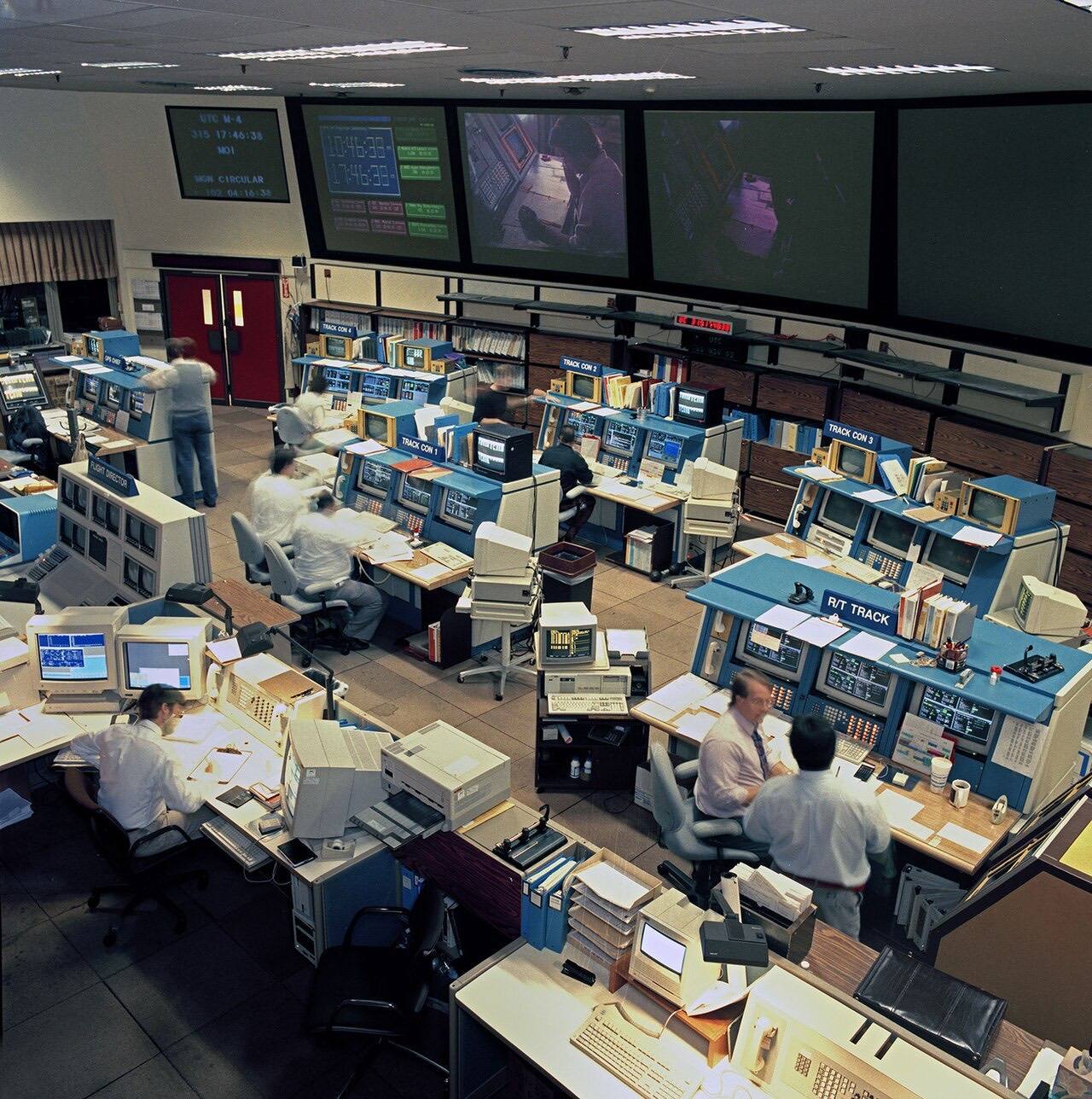
Behind the Scenes of Space Exploration
Space exploration has always been a source of fascination, sparking imaginations and inspiring generations. Yet, the excitement that accompanies each launch often overshadows the critical discussions about the implications of these missions. From the scientific achievements heralded in press releases to the carefully curated images of astronauts in their gleaming uniforms, what is often missing is a candid discussion about the broader implications of space exploration.
“What gets left out of the briefings is often as important as the missions themselves.”
The public is inundated with images of astronauts and rocket launches, but a closer look reveals a narrative that is often glossed over. Space missions are not merely about exploration; they involve complex political, ethical, and environmental considerations that are rarely addressed in the lead-up to a launch.
The Political Landscape
On one side of the spectrum, proponents of space exploration argue that these missions are vital for scientific advancement and technological innovation. They tout the benefits of space research, which include advancements in telecommunications, weather forecasting, and even medicine. However, these arguments often overlook the significant funding required for such endeavors. In an era where government budgets are stretched thin, the allocation of funds for space missions raises questions about priorities. Should we be investing in space when pressing issues like poverty and healthcare remain unresolved on Earth?
Conversely, critics from the left argue that the focus on space exploration is a diversion from the pressing needs of society. They contend that funds could be better spent addressing immediate concerns such as education, infrastructure, and environmental sustainability. This perspective, while rooted in valid concerns, can sometimes border on anti-technology sentiment, fostering a climate where scientific progress is viewed with suspicion rather than optimism.
The Environmental Concerns
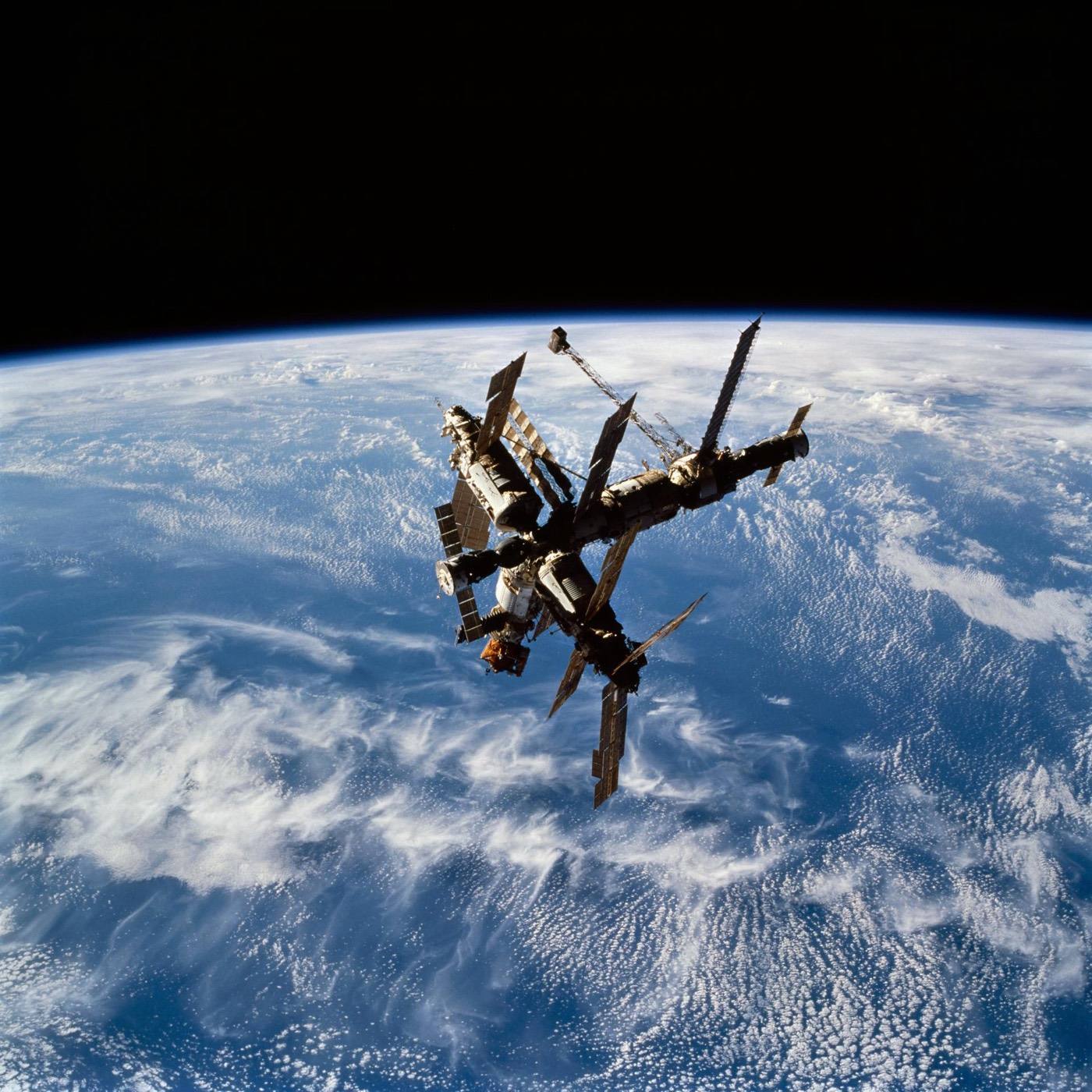
Another angle often left out of the conversation is the environmental impact of space launches. Rockets release immense amounts of carbon dioxide and other pollutants into the atmosphere. As the frequency of launches increases, so too does the potential for significant environmental consequences. The environmental ramifications of rocket launches are rarely the focal point of discussion in briefings, where a shiny new mission is highlighted without addressing the potential long-term effects on our planet.
The Ethical Dilemma
Furthermore, the ethical implications of space exploration deserve scrutiny. As we venture into the cosmos, we must consider the potential consequences of our actions. Past missions have raised questions about ownership of celestial bodies and the potential for exploitation of space resources. As private companies increasingly enter the space race, the debate intensifies. Who owns the moon? What ethical guidelines govern the exploration and potential colonization of other planets? These questions are rarely addressed in mainstream discussions, leaving the public ill-informed about the implications of our quest for knowledge beyond Earth.
On the other hand, those who champion space exploration often dismiss these ethical concerns as speculative or premature. This dismissal does a disservice to the ongoing dialogue that needs to occur, one that includes voices from various disciplines - ethics, environmental science, and sociology among them. The conversation must evolve beyond mere enthusiasm for discovery and confront the realities that accompany our reach for the stars.
The Role of the Media
The media plays a crucial role in shaping public perception of space exploration. However, the focus often remains on the spectacle of launches rather than the nuanced discussions that surround them. The left is quick to criticize the media for promoting a technocratic agenda while ignoring social issues, while the right often accuses it of fostering a culture of pessimism regarding scientific endeavors. Both sides have valid points, yet both often miss the opportunity to engage in a more balanced discourse that includes the full spectrum of implications tied to space exploration.
A Call for Comprehensive Dialogue
As we stand on the brink of a new era in space exploration, it is essential that we foster a culture of comprehensive dialogue. This means engaging in discussions that encompass not only the technological advancements but also the political, environmental, and ethical considerations that are intertwined with our explorations beyond Earth. The excitement surrounding launches should not eclipse the need for critical reflection and informed debate.
In conclusion, while the allure of space exploration captivates our collective imagination, we must not allow ourselves to be blinded by the spectacle. The conversations that take place in the shadows of the launch pad are just as important as the missions themselves. It is our responsibility as citizens to demand transparency and a broader perspective from those who guide our journey into the cosmos.
✦ ✦ ✦