From the file. Written for the paper dated January 1991. Opened in the public stacks July 14, 2026.
The debate over redistricting has intensified as the nation prepares for the 1992 elections. However, amidst the fervor of party loyalties and ideological divides, a critical aspect often goes unaddressed: the very real impact of redistricting on everyday citizens.

Redistricting: A Game of Political Chess
As state legislatures across the country engage in the time-honored tradition of redistricting, we find ourselves witnessing a process that often resembles a game of chess, where political players maneuver to capture the most advantageous positions. Gone are the days when redistricting was primarily about fair representation; today, it appears more like a contest of who can draw the lines most favorably to secure a political edge.
The partisan stakes are unmistakably high. On one side, Republicans are keen to exploit the opportunity to consolidate power in regions where they have gained ground. Meanwhile, Democrats are equally determined to reinforce their strongholds in urban areas. Yet, amid this back-and-forth, the fundamental purpose of redistricting - ensuring equitable representation for constituents - is frequently overshadowed by party agendas.
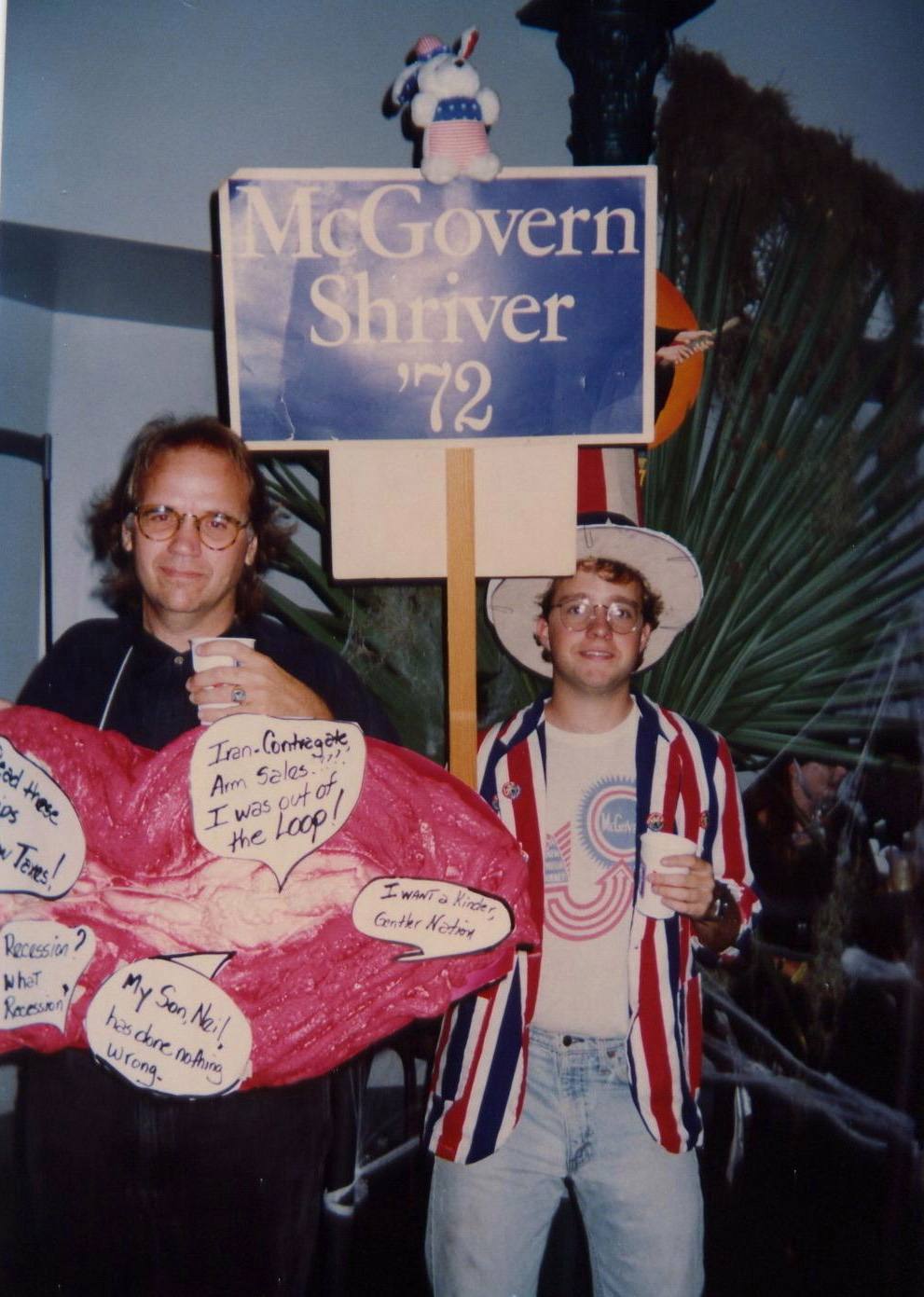
"Redistricting should be about the people, not the parties." - Unnamed local activist
The Missing Voices
It is in this context that the voices of the average citizen become all too easily drowned out. Communities of color, rural populations, and the economically disadvantaged often find themselves marginalized in the redistricting process. The discussions that occur in state capitals rarely reflect the needs and desires of these groups, who are left to navigate a political landscape that seems designed to overlook them.
Take, for instance, the impact of gerrymandering, a tactic employed by both major parties to manipulate district boundaries for electoral gain. This practice has not only distorted the representation of voters but has also contributed to a growing sense of disenfranchisement among those who feel that their votes do not matter in a system rigged against them.
Excesses of the Left and Right
Both ends of the political spectrum exhibit troubling excesses that compromise the integrity of redistricting. On the left, some progressives advocate for independent commissions to oversee the drawing of district lines, a move that, while well-intentioned, can inadvertently become another form of partisanship if not executed with transparency and accountability. The risk lies in creating a new bureaucracy that may not necessarily prioritize the interests of the people it is meant to serve.
Conversely, the right has often resorted to inflammatory rhetoric that frames the issue purely as a battle against "liberal overreach." This oversimplification neglects the complexities of the redistricting process and diminishes the argument for fair representation. It is easy to dismiss the concerns of those advocating for equitable districting as mere political posturing when, in reality, they reflect a genuine desire for democracy to function as intended.
What Gets Left Out
The briefings and meetings surrounding redistricting often gloss over critical discussions about socioeconomic disparities, racial equity, and the voices of marginalized communities. While political operatives focus on voting blocs and electoral strategies, they neglect to consider the implications of their decisions on the ground. This oversight perpetuates a cycle where politicians prioritize their own interests over those they are elected to serve.
Moreover, the tendency to treat redistricting as a mere tactical exercise leads to a disconnect between policymakers and their constituents. It is imperative that lawmakers engage with community members, listen to their concerns, and take into account the unique dynamics of each district. Only then can the redistricting process fulfill its promise of fair representation.
Moving Forward
As we approach the 1992 elections, it is crucial for citizens to remain vigilant and demand accountability from their elected officials. Advocacy for fair redistricting should not be a partisan issue; it must transcend party lines and focus on the principle of representation for all. The future of our democracy depends on it.
✦ ✦ ✦