From the file. Written for the paper dated November 1990. Opened in the public stacks July 14, 2026.
As the debate over war powers intensifies, a stark contrast emerges between public claims and the documented record. The political landscape is charged with fervor, as both sides vie for the moral high ground while often glossing over the complexities of military engagement.
The Historical Context
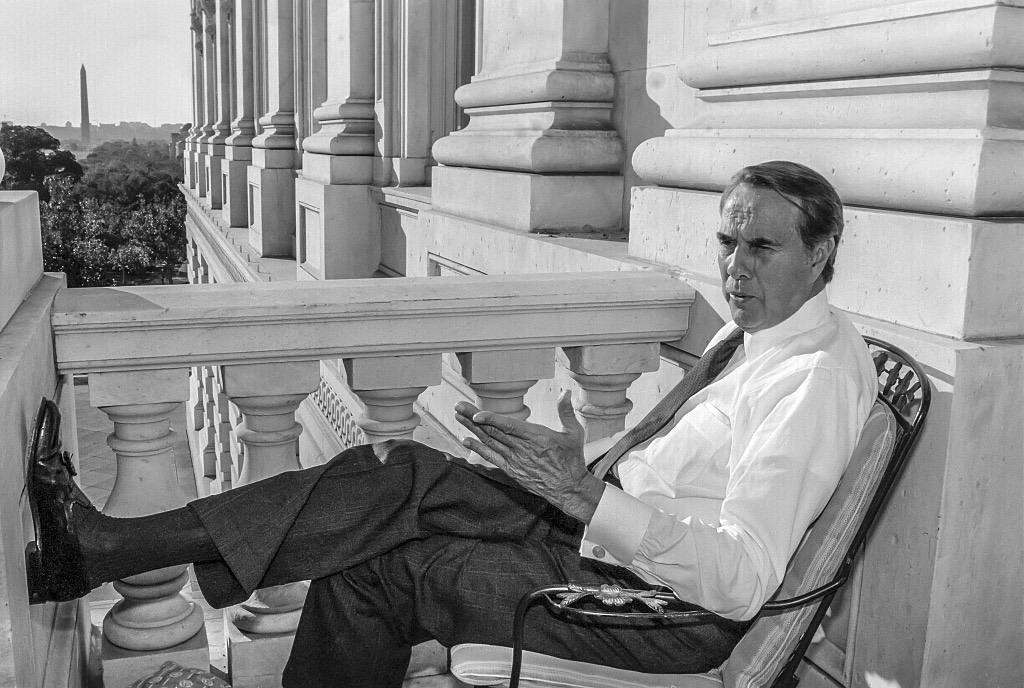
In the wake of the Gulf crisis, lawmakers and citizens alike find themselves grappling with the implications of military action. President George H.W. Bush's administration has emphasized a robust response to Iraq's aggression, positioning the United States as a leader in defending international norms. However, the rush to military action carries with it questions about the constitutional authority of the President versus Congress in matters of war.
“The Constitution is clear: Congress holds the power to declare war, yet we often find ourselves in conflicts initiated by executive decisions.”
This tension has been a recurring theme in American history, but the current situation poses unique challenges. Critics on the left argue that the administration's hawkish rhetoric is a dangerous escalation, while some on the right contend that any hesitation undermines national security. Both sides risk sacrificing a nuanced understanding of the Constitution in favor of political expediency.
Claims Versus the Record
Public statements from the Bush administration highlight a commitment to multilateralism and the principles of international law. Yet, the record shows a pattern of unilateral action that contradicts those assertions. While the President has called for coalitions and diplomatic efforts, the deployment of troops has often occurred without sufficient congressional oversight.
Moreover, the administration's framing of the conflict as a battle between good and evil serves to simplify a multi-faceted situation. While the invasion of Kuwait by Iraq is undeniably an act of aggression, the broader geopolitical landscape - characterized by historical grievances, economic interests, and regional dynamics - merits a deeper exploration than the binary narratives often presented.
Excesses on Both Sides
As the discourse unfolds, both the left and the right exhibit excesses that hinder constructive dialogue. The left's calls for restraint and reflection, while noble in intent, sometimes border on isolationism, neglecting the realities of global interdependence. Conversely, the right's fervent support for military action can lead to an uncritical acceptance of the administration's decisions, often at the expense of potential diplomatic solutions.
“We must not allow our political ideologies to dictate our understanding of constitutional rights.”
This polarization risks alienating those who advocate for a balanced approach - one that recognizes the need for military readiness while also upholding the democratic principles enshrined in the Constitution. The fear of appearing weak may drive some politicians to support swift military action without fully considering its long-term implications.
The Role of Public Discourse
In this heated atmosphere, the role of public discourse becomes paramount. Citizens must engage critically with the information presented, challenging both the government and media narratives. The complexity of international relations requires a populace that is informed and active, rather than passive consumers of sound bites.
As the nation stands at a crossroads, the balance of power between the executive branch and Congress remains a vital issue. The stakes are high, and the consequences of unchecked military action can reverberate for generations. A robust and informed debate is essential for ensuring that American values are not compromised in the pursuit of foreign policy objectives.
Conclusion
The war powers debate is not merely a political exercise; it is a reflection of the nation's values and its commitment to democracy. As both sides of the aisle grapple with their respective ideologies, it is imperative that the American public demands accountability and transparency, ensuring that the record reflects not just the claims made but the realities faced in the pursuit of peace and security.
✦ ✦ ✦