From the file. Written for the paper dated November 1990. Opened in the public stacks July 14, 2026.
In the wake of recent natural disasters, the rhetoric surrounding disaster declarations has reached a fever pitch, with political figures on both the left and the right making claims that often seem to diverge from the actual record.

Disaster Declarations: A Double-Edged Sword
The recent declarations of disaster in various parts of the country have sparked a significant debate about the effectiveness and accountability of government response. On one hand, politicians have seized the opportunity to showcase their commitment to public safety, while on the other, critics question the motives behind such declarations. The stakes are high, and the implications are serious as communities grapple with the aftermath of devastating events.
For those on the left, the immediate response is often focused on the need for comprehensive government intervention. They argue that a disaster declaration should facilitate expedited assistance for affected communities. This sentiment is commendable; however, the left's enthusiasm can sometimes lead to a tendency to overlook the complexities of disaster management. Overpromising aid can create unrealistic expectations among citizens who are already facing overwhelming challenges.
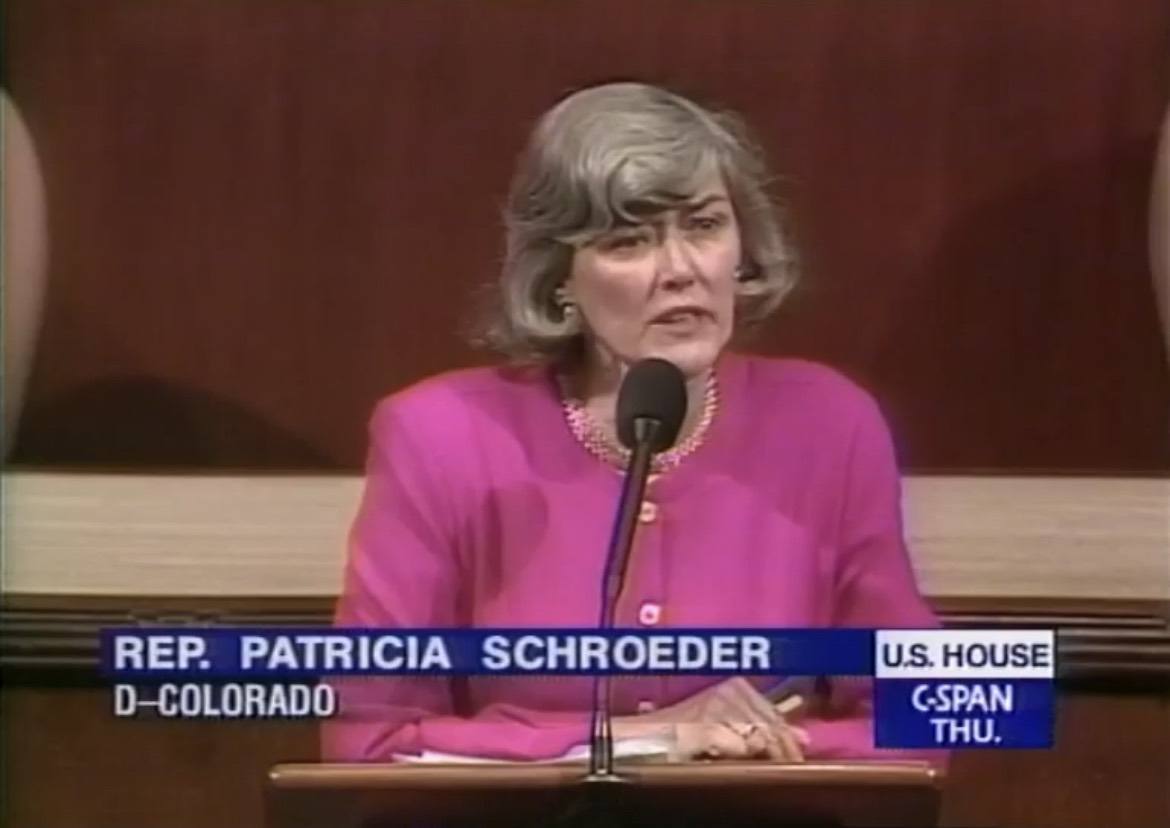
"We must ensure that our communities receive the support they need in these trying times, but we must also be realistic about what can be achieved."
On the other side of the aisle, conservative voices often express skepticism about the effectiveness of government aid. Their criticisms can be well-founded, as there are numerous instances where government relief efforts have faltered due to bureaucratic red tape or misallocation of resources. However, the right's reactionary stance can lead to a dismissal of the necessity for any federal involvement at all, undermining the very purpose of disaster declarations. This approach risks leaving communities without the support they desperately need when disaster strikes.
Public Claims Versus the Record
One of the most striking aspects of the current discourse is the gap between public claims and the actual record of disaster response. Politicians often tout their efforts to secure funding and resources, but the reality is frequently more complicated. For example, the timeline for federal assistance can be painfully slow, leaving communities in limbo. When representatives claim that they have "secured" funding, it is vital to examine the details behind such statements. Is the money truly flowing, or are communities still waiting for aid that has been promised?
Moreover, the politicization of disaster declarations can obscure the real needs of affected populations. Politicians may use these events as platforms for their agendas, leading to an environment where the focus shifts from genuine relief to scorekeeping against opponents. This maneuvering can erode public trust in government institutions, as citizens become skeptical of the motives behind disaster declarations.
Furthermore, there is a growing concern about transparency in the process of declaring disasters. Communities need to understand why certain areas receive a disaster declaration while others do not. The criteria for these decisions should be made clear to prevent the perception of favoritism or neglect. It is crucial that the public has access to information that explains the rationale behind disaster designations, as this can help mitigate the frustration that often accompanies such events.
A Call for Accountability
As we navigate through this tumultuous landscape, it is essential for both political sides to adopt a more accountable approach. There should be a concerted effort to ensure that disaster declarations are not merely political tools but rather mechanisms designed to provide real assistance to those in need. This requires cooperation across the aisle and a commitment to prioritize the welfare of citizens over political gain.
To achieve this, there must be a concerted effort to streamline the disaster response process, improve communication between federal and local agencies, and ensure that resources are allocated efficiently. The public deserves transparency in how disaster relief funds are utilized and how decisions are made regarding disaster declarations.
Ultimately, the conversation surrounding disaster declarations should shift from partisan posturing to genuine dialogue about how to improve the system. Both sides must recognize that the true measure of success lies not in the number of declarations made but in the tangible support provided to communities in their time of need.
✦ ✦ ✦