From the file. Written for the paper dated October 1990. Opened in the public stacks July 14, 2026.
As the dust settles from the media frenzy surrounding the latest FDA approvals, a closer examination reveals a complex interplay of institutional self-preservation and public trust.
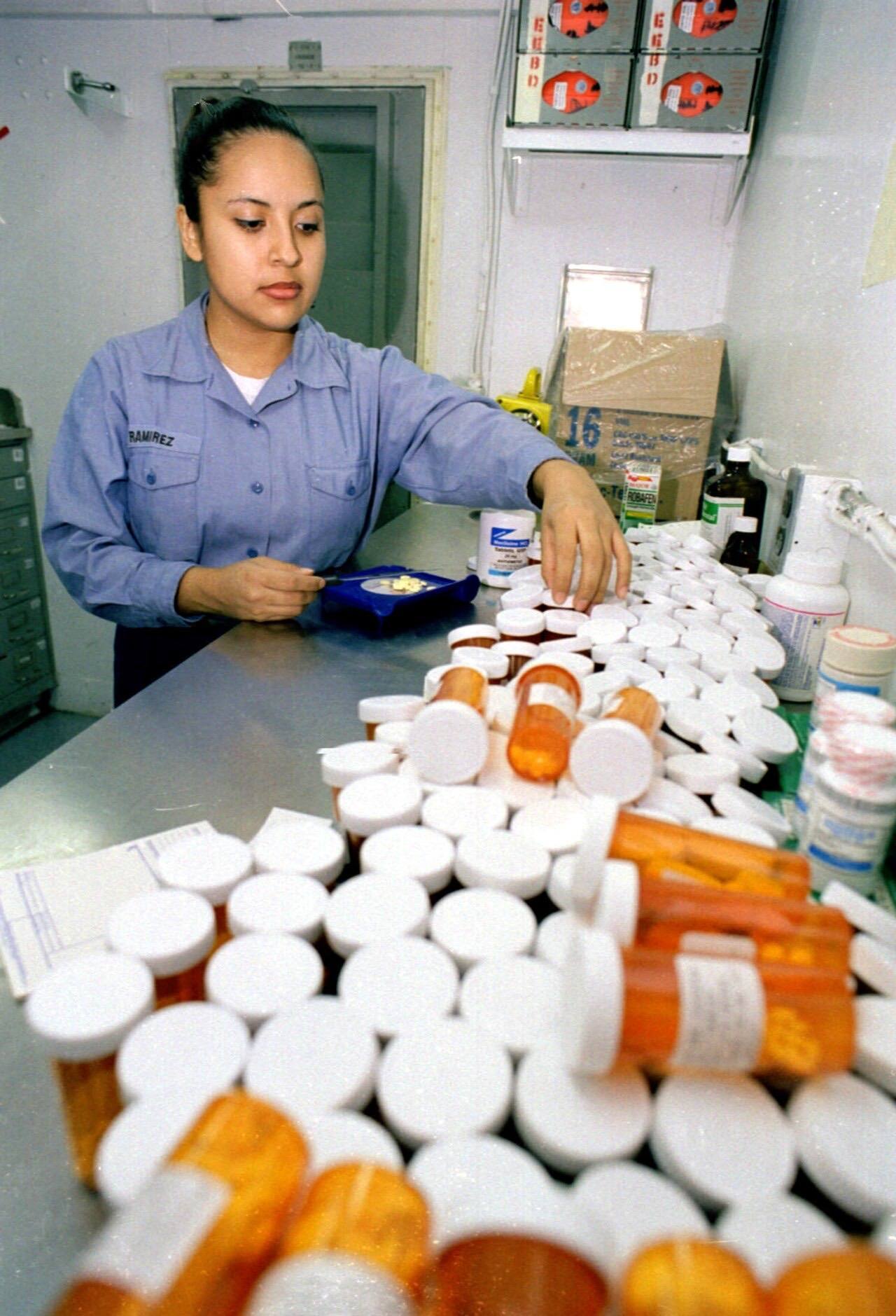
Understanding FDA Approval Processes
The Food and Drug Administration (FDA) has been in the spotlight recently with its extensive review process for new drugs and medical devices. While the agency's mission is to ensure the safety and efficacy of products that enter the marketplace, the intricacies of its approval mechanisms often lead to both praise and criticism. Advocates celebrate the agency's rigorous standards, while detractors argue that the process can be slow and cumbersome, potentially delaying life-saving treatments.
Yet, as we dissect these discussions, it becomes evident that the FDA is not just a regulatory body in pursuit of public welfare; it is also an institution keenly aware of its own vulnerabilities. In an era of increasing scrutiny, the agency must navigate the delicate balance between scientific rigor and political pressure.

The Politics of Approval
In recent years, the FDA has faced mounting pressure from both sides of the political spectrum. On one hand, advocates for pharmaceutical innovation argue that lengthy approval processes hinder the rapid development and distribution of groundbreaking treatments. On the other hand, consumer protection groups demand even stricter oversight to prevent harmful products from reaching the public.
"In an age where every decision can be dissected, the FDA must tread carefully, ensuring both safety and public perception."
This dual pressure creates a paradox: the agency must expedite approvals to satisfy innovation advocates while simultaneously safeguarding against potential backlash from consumer advocates. The result? A more conservative approach that often favors the status quo over rapid change.
The Shadow of Litigation
Compounding this issue is the looming threat of litigation. With the rise of tort reform discussions in Congress, the fear of legal repercussions has become a significant factor influencing FDA decision-making. The agency must consider that any approval it grants is subject to intense scrutiny. A drug that later proves to be ineffective or harmful can lead to lawsuits not only against the manufacturer but also against the FDA itself.
This fear has led to a culture of caution within the agency. In many cases, the FDA's inclination to delay approval until every possible risk is assessed can be interpreted as a defensive strategy aimed at protecting the institution from potential fallout.
Public Perception and Trust
Public trust in the FDA is critical for its function. The agency relies not only on scientific data but also on the perception that it operates independently and without undue influence from political or corporate interests. However, as the stakes grow higher, the agency's actions often reflect a desire to shield itself from criticism rather than a commitment to transparency.
This protective instinct can lead to a cycle of distrust. When the FDA appears overly cautious, it risks alienating the very public it aims to protect. As consumers grow impatient with protracted approval timelines, they may turn to alternative solutions, potentially jeopardizing their health in the process.
Excesses on the Political Spectrum
The current discourse surrounding the FDA is emblematic of broader trends in American politics, where excesses on both the left and right threaten rational discourse. On the left, an unwavering demand for consumer protection can morph into an anti-innovation stance that stifles development and discourages investment in new therapies. Meanwhile, the right often prioritizes corporate interests, advocating for deregulation in ways that can compromise consumer safety.
Both sides must recognize that their extremes can be detrimental to the very fabric of public health. The FDA needs to continue its mission of ensuring safety while also embracing innovation. The dialogue must shift from a zero-sum game to a more collaborative approach that acknowledges the complexities of drug development and the ethical implications of both delay and rush.
The Path Forward
Ultimately, the FDA's future depends on its ability to adapt to changing societal expectations while maintaining its core mission. The agency must foster an environment of transparency, where the public can see the rationale behind approval decisions, and where stakeholders can engage in constructive dialogue about the risks and benefits associated with new treatments.
As we move forward, it is crucial for both the FDA and the public to establish a shared understanding that neither extreme - excessive caution nor reckless abandon - serves the greater good. In doing so, we can pave the way for a more effective and trusted regulatory process that serves the health needs of all Americans.
✦ ✦ ✦