From the file. Written for the paper dated October 1990. Opened in the public stacks July 14, 2026.
In a world seemingly teetering on the brink of geopolitical upheaval, the role of diplomatic cables has never been more vital. Yet, as institutions guard their secrets, the truth behind these cables can often be obscured.
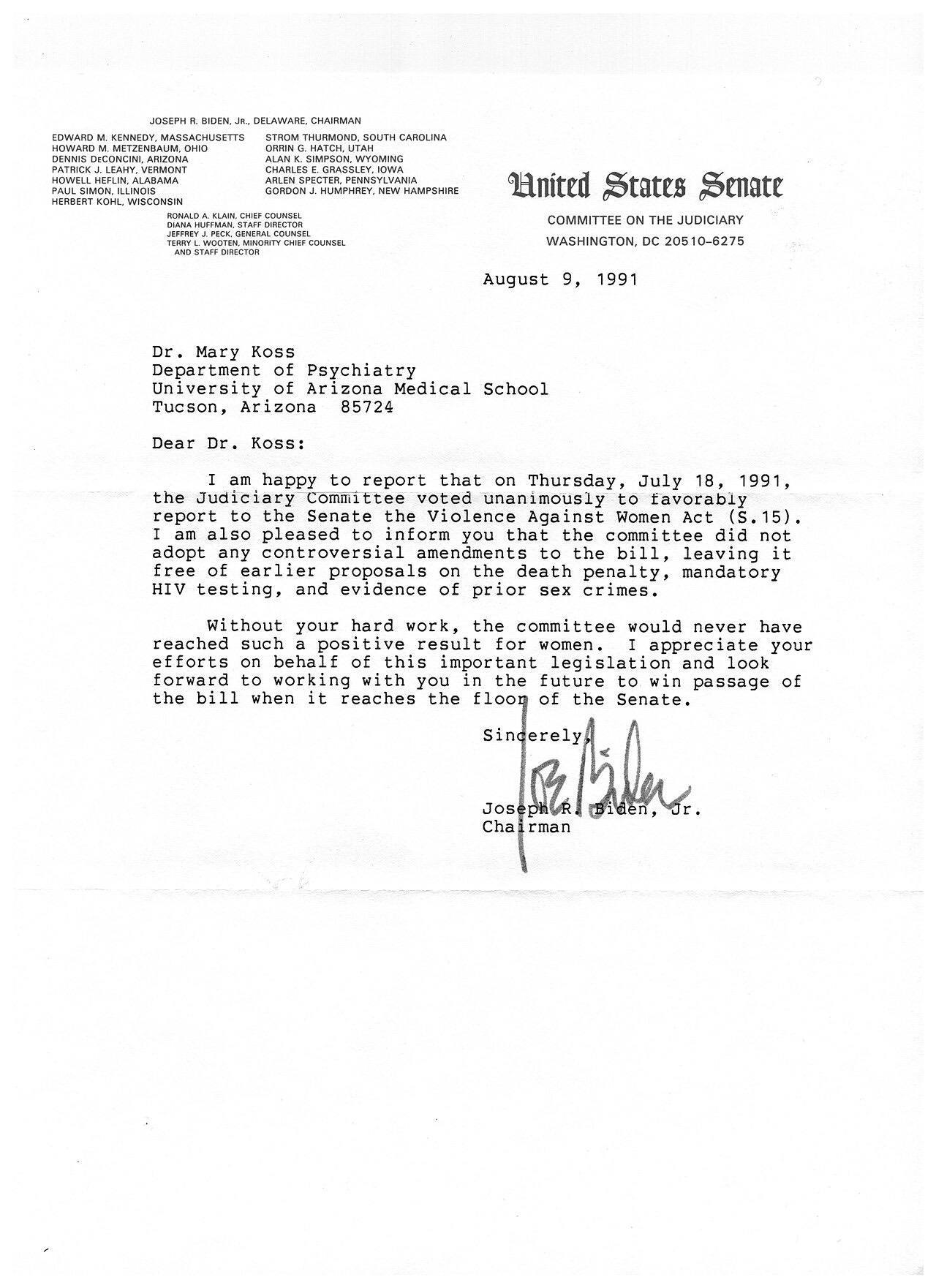
Secrecy in Diplomacy
In the realm of international relations, diplomatic cables serve as both lifelines and shields. They convey urgent messages between nations, but they also act as protective barriers for governments, often shrouding the messy realities of diplomacy in layers of bureaucracy and coded language. It’s within these cables that we uncover the complexities of negotiation, where motives can be murky and intentions often obscured.
Take the current tension in Eastern Europe as an example. As the Soviet Union grapples with internal dissent and calls for reform, many diplomatic cables reveal a troubling pattern: institutions are more focused on self-preservation than on fostering genuine dialogue or understanding. The consequences of this strategy might have far-reaching implications, particularly as the Iron Curtain begins to show signs of rust.
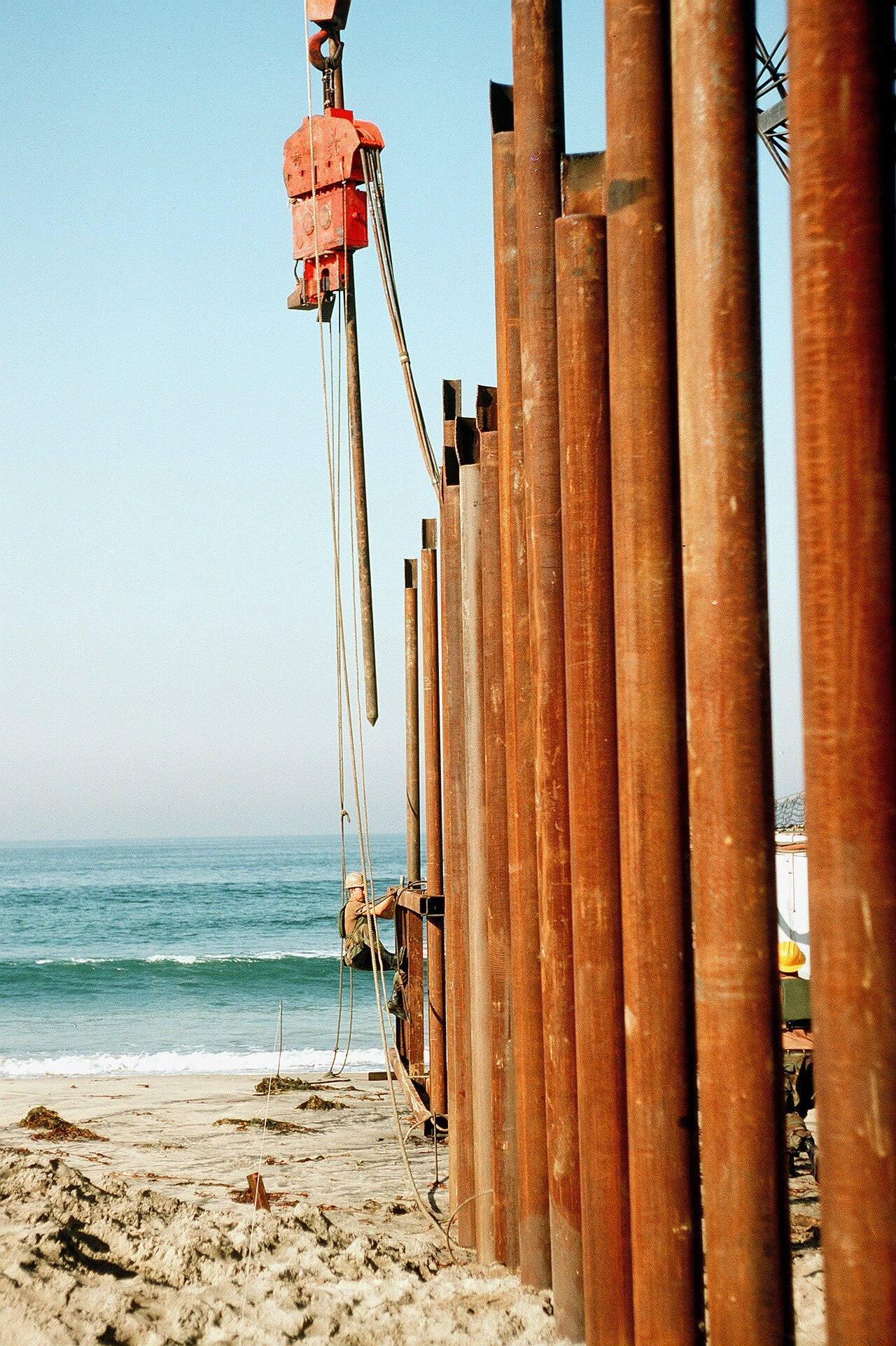
“In the world of diplomacy, truth is often a casualty of the need to maintain appearances.”
Institutional Excesses
Both the left and right in American politics have their share of excesses when it comes to foreign policy. On one hand, the left often champions the ideals of international cooperation and a more humane foreign policy, yet fails to recognize the complexities of engaging with authoritarian regimes. Their idealism can lead to a naive approach that disregards the realities of power dynamics.
Conversely, the right tends to adopt a more hawkish stance, advocating for military interventions and a hardline approach to diplomacy. This often results in a foreign policy that prioritizes military might over nuanced negotiations, leaving little room for the subtle art of diplomacy. In both cases, we see a troubling disregard for the diplomatic cables that illuminate the intricacies of international relations.
The Risk of Oversimplification
As the political rhetoric intensifies, the risk of oversimplification grows. The left often paints adversaries as irredeemable villains, while the right tends to frame allies as infallible. This binary thinking is not only dangerous; it undermines the very essence of diplomacy. In a world where alliances shift and new threats emerge, the ability to engage with a range of perspectives is critical.
Diplomatic cables often reveal the nuanced positions that governments take, which can become lost in the cacophony of partisan rhetoric. For instance, a cable discussing the potential for reform in Eastern Europe may be dismissed by one side as a sign of weakness, while the other side may see it as an opportunity for engagement. In both cases, the deeper implications are overlooked.
Moving Beyond Rhetoric
As we navigate the turbulent waters of global politics, it is imperative that we move beyond simplistic narratives. The diplomatic cables that flow between countries are not just bureaucratic formalities; they are vital records that can illuminate our understanding of international relations. To ignore them is to risk a profound miscalculation.
The stakes are high. As the political landscape shifts, nations must grapple with the realities of emerging powers and the potential for conflict. It is in this context that the role of diplomacy becomes paramount. Yet, if we continue down the path of ideological excess, we will only succeed in alienating our potential partners and inflaming tensions.
The Call for Clarity
What is needed now is a call for clarity and accountability in how we approach foreign relations. Both sides of the political spectrum must recognize the value of diplomatic engagement and the importance of maintaining open lines of communication. This is not simply a matter of political strategy; it is a necessity for a stable and peaceful world.
As the world watches the developments in Eastern Europe and beyond, it is crucial that we pay attention to the messages being conveyed in those diplomatic cables. They hold the keys to understanding not just the strategies of our adversaries, but also the vulnerabilities of our allies. If we are to forge a path forward, we must commit to a more thoughtful and nuanced approach to diplomacy.
✦ ✦ ✦