From the file. Written for the paper dated August 1990. Opened in the public stacks July 14, 2026.
In an age defined by rapid news cycles and sensational headlines, the necessity for diligent oversight has never been more apparent. As the media frenzy subsides, what remains is a pressing question: what truly requires our attention?
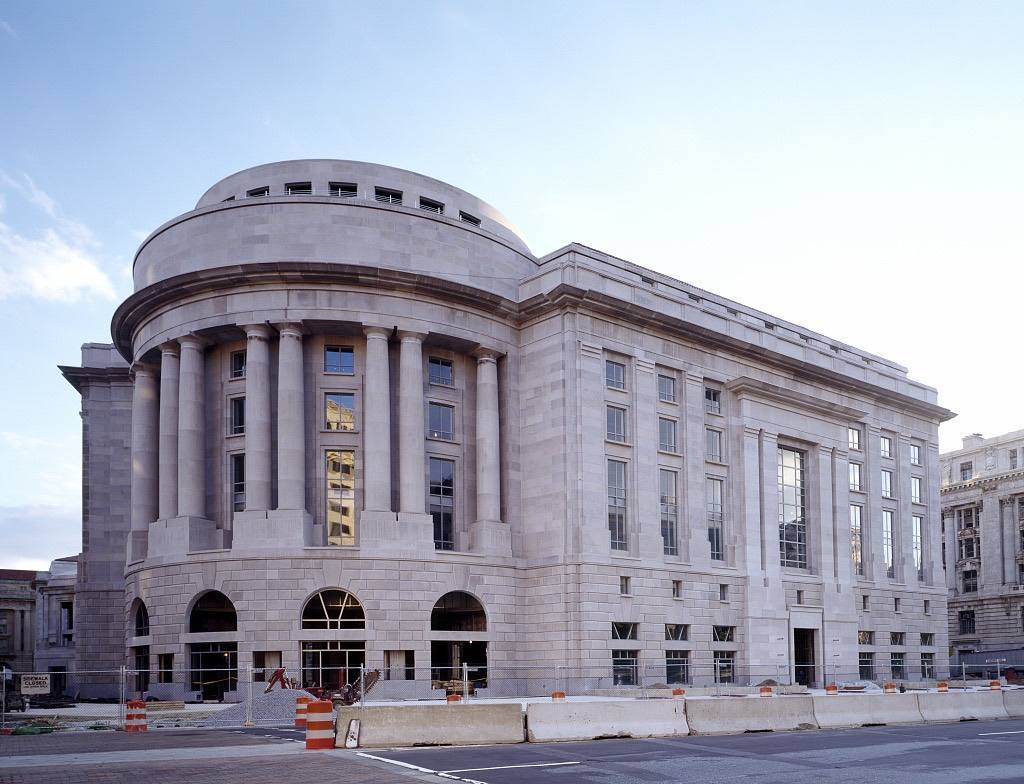
The Pressing Need for Oversight
Oversight, in its purest form, is the mechanism through which we hold our institutions accountable. Whether in government, business, or non-profit sectors, oversight ensures that actions are taken in the public interest. Yet, in this fast-paced environment, the critical aspects of oversight often become obscured by the very headlines that demand our attention.
As journalists, we are often drawn into the allure of breaking news and the race for ratings. The sensationalism that drives the news cycle can overshadow the substantive issues that require thoughtful analysis and scrutiny. In the rush to report, we may neglect the necessary follow-up that can uncover deeper truths and foster informed public discourse.

The Left's Blind Spots
On one end of the political spectrum, the left has been known to champion causes that resonate with a broad base, such as social justice and environmental issues. However, in their fervor to pursue progressive agendas, some on the left have overlooked the importance of engaging in constructive debate. Instead of fostering inclusivity, there is a tendency to dismiss opposing viewpoints as regressive or harmful.
"In the rush to report, we may neglect the necessary follow-up that can uncover deeper truths."
Furthermore, the left's focus on government intervention as a solution to societal problems often fails to account for the complexities involved. While advocating for increased regulations or reforms may seem noble, it can lead to unintended consequences that stifle innovation or economic growth. An oversight in this regard could result in policies that do more harm than good, ultimately alienating those they seek to help.
The Right's Overreach
Conversely, the right often positions itself as the champion of individual liberties and free markets. Yet, this commitment can sometimes manifest as an aversion to any form of regulation. The belief that markets will self-correct without oversight can lead to a dangerous underestimation of the need for accountability. We have seen how unregulated practices can culminate in disasters that impact millions, whether it be the environment or public health.
Moreover, the right’s tendency to frame every issue through the lens of personal responsibility can obscure broader systemic failures. While individual accountability is essential, it is equally important to recognize that many challenges are rooted in socio-economic structures that require collective action and oversight.
The Role of Media in Oversight
As a pillar of democracy, the media plays a crucial role in ensuring that oversight remains a priority. However, the pressures of commercialism and competition can lead to a dilution of journalistic integrity. Reporters often find themselves constrained by the need to produce sensational stories rather than in-depth investigations that expose corruption or malfeasance.
In this climate, it is imperative for journalists to resist the temptation to prioritize clicks over context. Sensational headlines may grab attention, but substantive reporting fosters informed public discourse and leads to genuine oversight. This is not merely a call for better journalism; it is a call for a more engaged and informed citizenry.
Moving Forward
As we navigate the complexities of our political landscape, a renewed commitment to oversight is essential. Whether through advocacy, policy-making, or journalism, we must strive for a balanced approach that recognizes the importance of both regulation and personal responsibility. Oversight is not about stifling progress; it is about ensuring that progress serves the public good.
We must also remember that oversight is a collaborative effort. It requires the participation of all stakeholders - citizens, businesses, and governments alike. When we all engage in the process, we can work toward solutions that address the needs of our society while respecting the freedoms we hold dear.
✦ ✦ ✦