From the file. Written for the paper dated August 1990. Opened in the public stacks July 14, 2026.
As the dust settles from the latest cabinet nomination announcements, it becomes imperative to examine not just the candidates put forth but also the narratives surrounding them. In an age where political theatrics overshadow substantive discourse, crucial details often slip through the cracks.
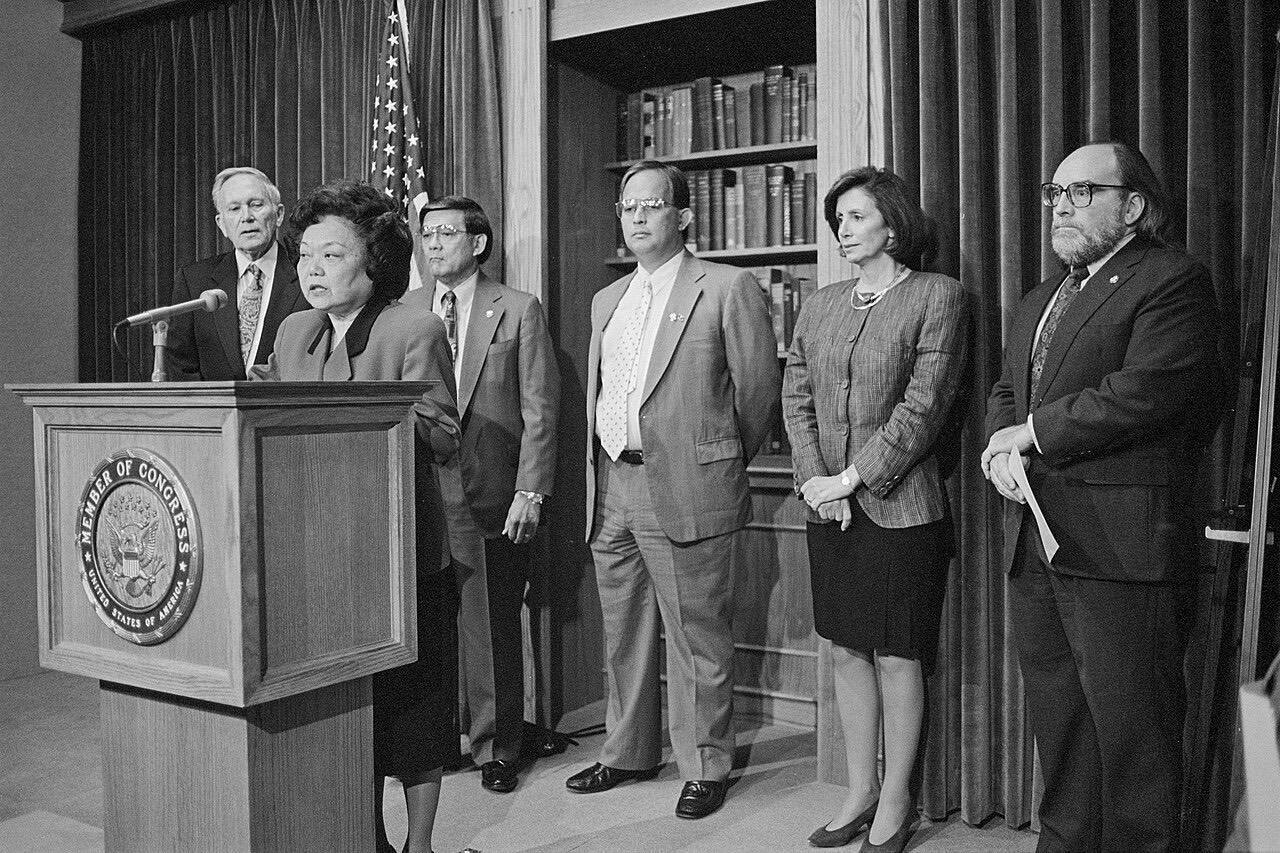
The Candidates and Their Stories
The recent nomination of several key cabinet positions has stirred both interest and concern among the populace. However, a closer inspection reveals that the media's obsession with the personal histories of these nominees often obscures the ideological undercurrents that define their potential tenures. For instance, while the press fixates on the nominees' past controversies and public personas, the policies they advocate for and their implications for the average American are often overlooked.
"Political theater often overshadows the real issues at hand."
The left, buoyed by the recent success of progressive movements, appears to be losing sight of the forest for the trees. The focus on individual narratives allows for a convenient dismissal of broader systemic issues. Yes, the nominees may have checkered pasts, but what about their proposed policies? The public must demand more than mere character assessments; they deserve to know how these figures will affect everything from healthcare to education reform.
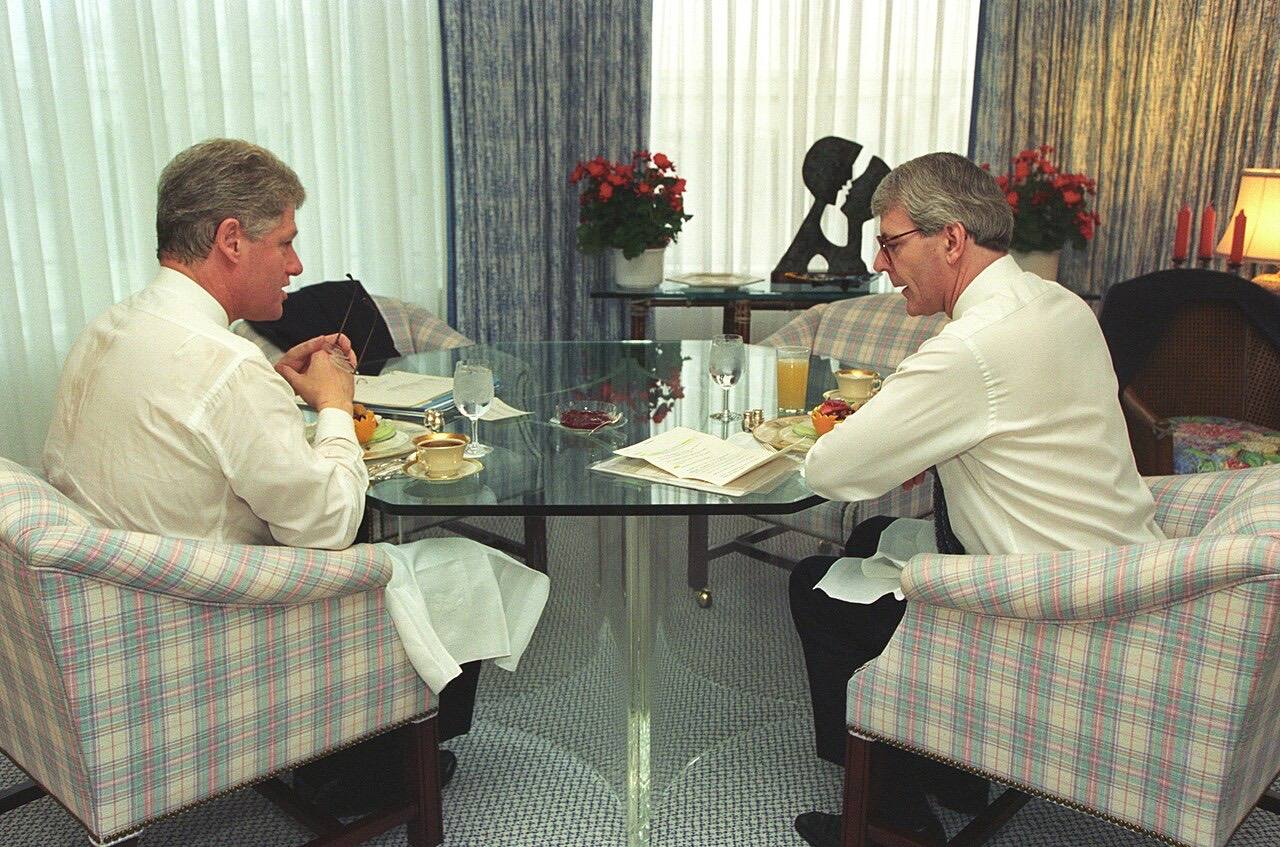
Left and Right: A Dance of Excess
As we navigate this turbulent political landscape, it is essential to critique both sides of the aisle. The left is quick to decry the right's heavy-handed approach to governance, often branding it as draconian. Yet, in their zeal for social justice, they risk an equally dangerous excess - one that prioritizes ideology over practicality. Policies that sound good in theory can lead to unintended consequences in practice, and the left must confront this reality.
On the other hand, the right seems to revel in its own brand of excess, often prioritizing economic growth over social responsibility. The recent cabinet nominees are a testament to this trend. While they tout fiscal conservatism, many fail to address the widening gap between the rich and the poor. The mantra of "trickle-down economics" has not delivered for the majority, yet it remains a cornerstone of conservative ideology. This insistence on a free-market approach, untempered by social considerations, is a recipe for discontent.
The Media's Role in the Narrative
In this environment, the media plays a dual role: it is both a conduit for information and a battleground for ideological warfare. The sensationalized coverage of nominees can create a distorted perception of their qualifications. When faced with a choice between sensationalism and substance, news outlets often lean toward the former, leaving the public ill-equipped to make informed judgments.
Furthermore, the echo chamber effect has intensified. With partisan news outlets shaping the narrative, individuals are increasingly exposed only to viewpoints that reinforce their pre-existing beliefs. The result is a polarized electorate, where the complexities of governance are reduced to sound bites and slogans. This trend is detrimental to democracy, as it fosters an environment where compromise becomes almost impossible.
"Sound bites and slogans are no substitute for informed discourse."
Seeking Substance in the Noise
As we approach the confirmation hearings for these cabinet nominees, it is crucial for the public to demand transparency and accountability. Questions about policy implications should take precedence over personal anecdotes. Citizens should not only scrutinize the nominees’ qualifications but also engage with the potential consequences their policies may have on various sectors of society.
The stakes are high, and the future of the nation hangs in the balance. It is time for the electorate to rise above partisan noise and focus on the substance that will ultimately dictate the course of the country. As we stand on the precipice of change, we must ensure that our leaders are held accountable for the policies they advocate, not just the stories they tell.
✦ ✦ ✦