From the file. Written for the paper dated July 1990. Opened in the public stacks July 14, 2026.
As Congress grapples with a budget standoff that has implications for both the economy and social programs, a closer look at the numbers reveals a complex narrative beyond the partisan rhetoric.
The Numbers Behind the Debate
The ongoing budget standoff has revealed deep divisions in Congress, where Republicans and Democrats are increasingly entrenched in their positions. While Republicans emphasize the need for fiscal restraint, Democrats argue that cuts to social services would disproportionately impact the most vulnerable populations. Yet, as we attempt to dissect the layers of this financial impasse, it becomes crucial to examine the actual figures at play, rather than allowing political posturing to overshadow the reality of the situation.
Current projections indicate that the federal deficit is estimated to exceed $200 billion in the coming fiscal year. This figure has sent alarm bells ringing among conservative lawmakers, who assert that the government must tighten its belt and reduce spending. However, critics on the left argue that a singular focus on deficit reduction could lead to devastating cuts in essential programs such as education, healthcare, and housing assistance. This debate has ignited a firestorm of accusations, with each side blaming the other for the growing fiscal crisis.
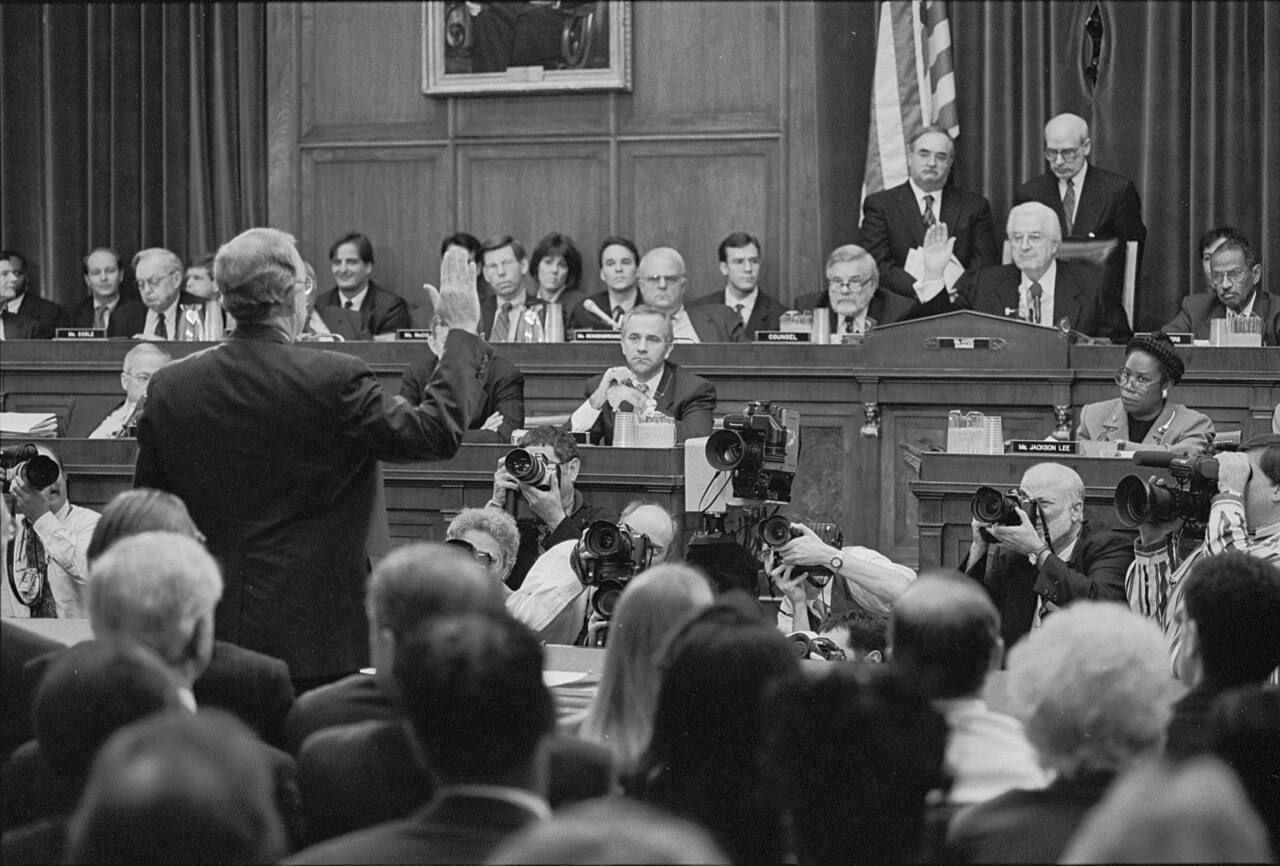
“The numbers should guide us, not our political ideologies. We must find a balance.”
Partisan Excesses
The current debate is further complicated by the excesses of both left and right ideologies. On one hand, the Republican insistence on deep cuts reflects a broader trend of austerity that can jeopardize the safety net for millions of Americans. The party's unwavering commitment to tax cuts and minimal government intervention often comes at the expense of crucial social programs that many depend on.
On the other hand, the Democrats’ push for expansive social spending can appear reckless, especially in a context where fiscal responsibility is paramount. Their calls for increased investment in social programs, without a clear plan for how to fund them, often come off as unrealistic. The left's inclination to respond to every social ill with government funding glosses over the need for sustainable economic growth and job creation.
What Lies Ahead
As the standoff persists, the American public is left to navigate the fallout from this gridlock. With both sides unwilling to compromise, the potential for a government shutdown looms large, creating uncertainty in both the markets and among citizens who rely on government services. The political theatrics surrounding the budget discussions serve only to heighten public cynicism, as voters grow weary of partisan bickering.
Moreover, the media landscape has not been helpful, often amplifying the most extreme viewpoints while neglecting the practical solutions that could bridge the gap. In an era dominated by sound bites and 24-hour news cycles, the nuanced conversations necessary for real progress are being drowned out. It is imperative that both parties recognize the importance of collaboration over confrontation to ensure that the nation’s economic future is not jeopardized.
The Path Forward
To achieve a resolution, both sides must recognize that the numbers do not lie, but they can be manipulated to fit narratives. A balanced approach that considers both fiscal responsibility and social equity is essential. It is time for our leaders to rise above ideological extremes and work together to create a budget that reflects the needs and realities of all Americans.
Only through a commitment to collaboration and a willingness to address the concerns of both sides can we hope to emerge from this standoff with a budget that serves the interests of the nation as a whole. The stakes are high, and the path forward is fraught with challenges, but it is a necessary journey if we are to build a sustainable future.
✦ ✦ ✦