From the file. Written for the paper dated June 1990. Opened in the public stacks July 14, 2026.
As Congress continues its tug-of-war with the White House over budget negotiations, the specter of government shutdown looms large. The stakes are high, and both sides appear willing to gamble on brinkmanship. But why is this certainty in chaos selling so briskly?
The Political Landscape
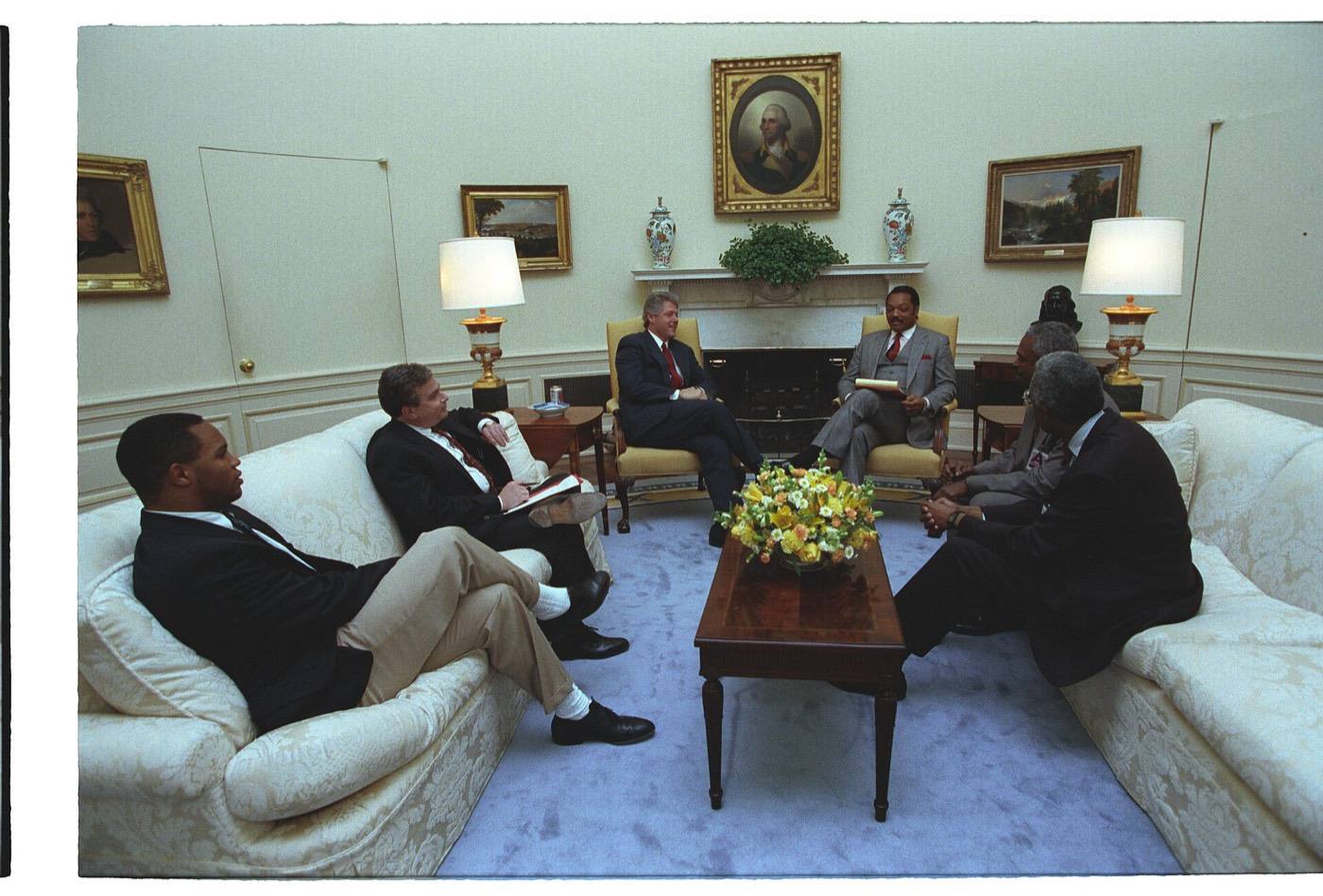
In recent weeks, the political climate has grown increasingly heated as the two parties dig in their heels over spending cuts and tax increases. The Republicans, buoyed by a belief in fiscal conservatism, are poised to enforce their agenda, while Democrats, invoking the values of social programs, rally to protect what they deem essential services. It is a classic standoff, with the stakes so high that many Americans are left wondering how it could possibly escalate into a government shutdown.
Yet, as we watch the drama unfold, we must question the motivations of both sides. The Republicans have embraced their “no new taxes” mantra with fervor, even as they risk vital programs that millions depend on. On the other hand, Democrats appear more than willing to use the plight of the most vulnerable as a bargaining chip, leveraging their pain to gain political ground.
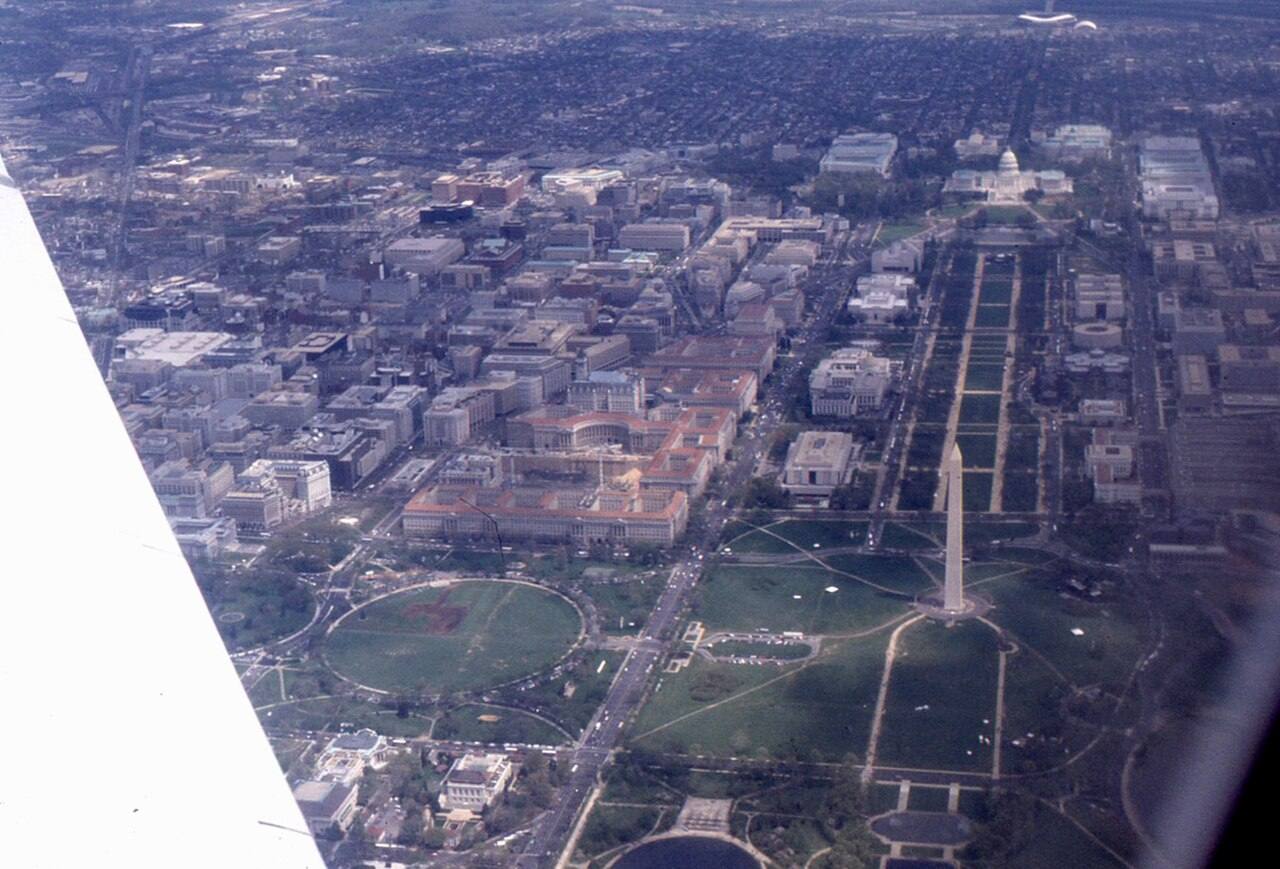
“In this game of political chicken, the American people are left in the passenger seat, while both parties drive us toward an uncertain future.”
The Economy on the Edge
The economic implications of a shutdown could be dire. As we inch closer to the deadline, uncertainty hangs over businesses and consumers alike. The potential fallout could prove detrimental, leading to layoffs and a decrease in consumer confidence. Yet, amidst this chaos, there exists a peculiar allure in the certainty of impending turmoil. Investors and pundits alike seem to thrive on the drama, presenting it as a spectacle rather than a crisis.
For many Americans, the political discourse feels disconnected from their everyday lives. The rhetoric of both parties often seems more concerned with winning battles than addressing the real struggles of the people. The left's insistence on social justice and the right's unwavering commitment to fiscal discipline both have merit, yet neither side appears willing to engage in genuine compromise.
Public Sentiment and the Media
The media plays a crucial role in shaping public perception, often sensationalizing the standoff. Headlines blare, and analysts dissect every move, fostering an environment where fear and anger thrive. This constant barrage creates a sense of urgency that, rather than encouraging resolution, seems to deepen the divide between the parties. It is almost as if the media feeds off the drama, perpetuating a cycle of conflict that leaves little room for collaboration.
As the deadline approaches, we must ask ourselves: Is this brinkmanship truly serving the interests of the American people? Or are we merely spectators in a political theater, where the actors are more invested in their roles than in the well-being of their constituents?
Finding Common Ground
It is high time for both sides to step back from the brink and seek common ground. The American public is tired of the theatrics; they crave solutions. Compromise does not mean capitulation, nor does it signify weakness. It means governance - a concept that seems lost in the current climate of hyper-partisanship.
Those who hold power must remember that they serve the people, and it is their duty to prioritize the public good over political posturing. The time for grandstanding has passed; now is the moment for leadership that seeks to heal the divisions rather than deepen them.
The Path Forward
As we stand on the precipice of a potential shutdown, the future remains uncertain. However, it is crucial that we demand more from our leaders. They must remember the responsibilities that come with their positions and the trust that the American people have placed in them. The clock is ticking, and the consequences of inaction could ripple far beyond the walls of Congress.
Ultimately, it is not just about the budget; it is about the future of governance in this country. If both parties continue to engage in this dangerous game of brinkmanship, they risk losing sight of their purpose. Now is the time to prioritize unity and purpose over division and chaos. The American people deserve better.
✦ ✦ ✦