From the file. Written for the paper dated May 1990. Opened in the public stacks July 14, 2026.
As the national conversation on healthcare costs intensifies, it is essential to examine the bipartisan habit of selective memory that clouds the debate over hospital expenses. Both sides of the political spectrum seem to forget their roles in the inflation of these costs, opting instead to point fingers at each other.
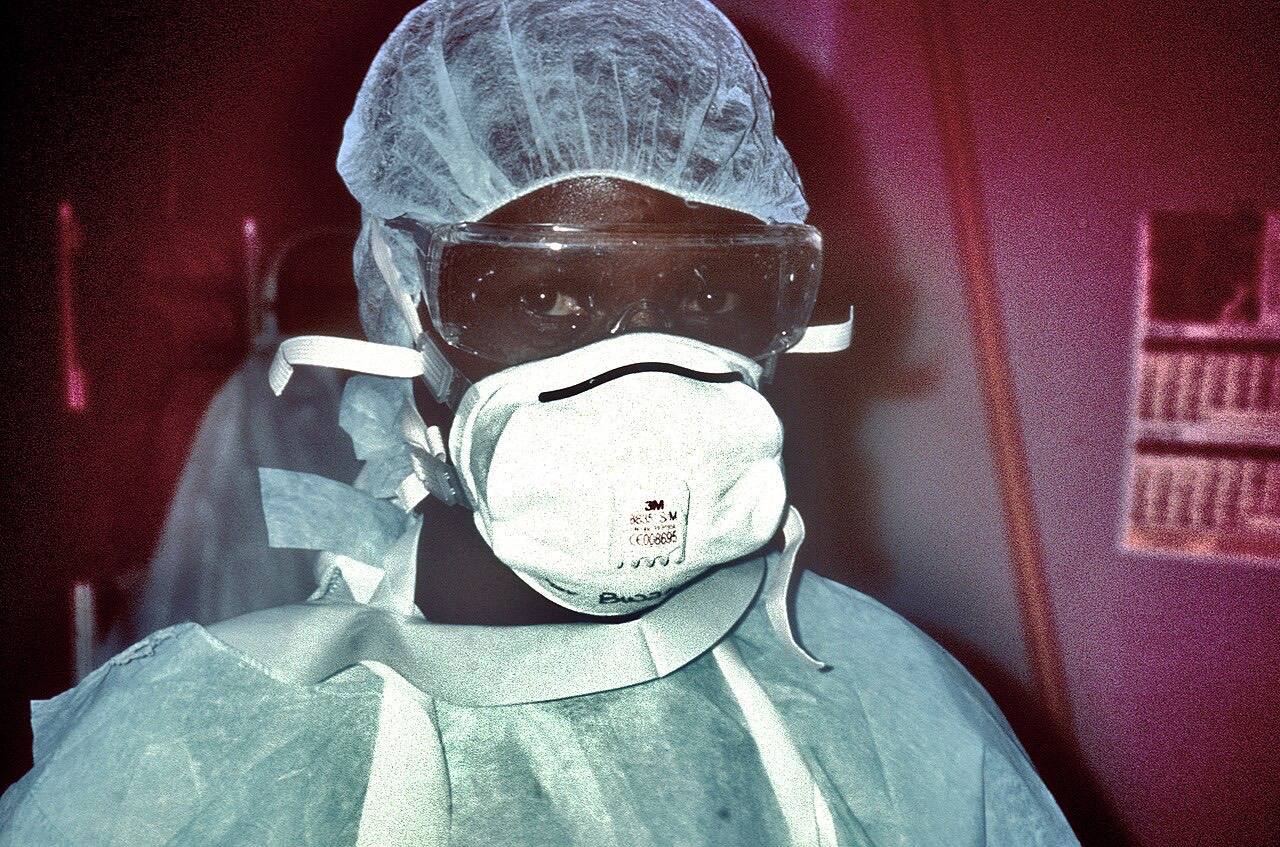
The Rising Tide of Hospital Costs
In recent years, hospital costs have escalated dramatically, prompting a wave of outrage from both the left and the right. Politicians and pundits alike are eager to assign blame, but their selective recollections often obscure the complex realities behind these figures. The left criticizes the profits of private hospital systems and the apparent greed of the healthcare industry, while the right tends to emphasize government spending as the primary culprit - yet both narratives fail to capture the full picture.
Left's Oversight: The Role of Regulation
Progressives argue that the profit motives of hospitals lead to inflated costs that burden the average American. They spotlight the exorbitant salaries of hospital executives and the substantial profit margins of private healthcare providers as indicators of a system gone awry. However, this perspective often overlooks how regulatory frameworks - often championed by the same progressives - have contributed to these rising costs. For example, stringent licensing requirements and the myriad of mandated services have created a barrier to entry for new providers, reducing competition and ultimately inflating prices.

"If we want to reduce costs, we must consider how our own regulations limit competition."
The Right's Simplistic Diagnosis
On the other side of the aisle, conservatives argue that excessive government spending is the primary driver of rising hospital costs. They call for cuts to programs like Medicare and Medicaid, insisting that these programs drain resources from the private sector and lead to inefficiencies. Yet, this view often neglects the fact that many hospitals rely on these programs to cover costs for uninsured patients. A significant portion of the healthcare system is intertwined with government funding, meaning that cuts could exacerbate financial pressures rather than alleviate them.
A Call for Genuine Dialogue
The failure of both sides to acknowledge their contributions to the current crisis results in a lack of constructive dialogue. If we are to address the rising costs of hospital care, we must step beyond partisan politics and engage in a genuine discussion about the realities of the healthcare system. It is not enough to merely point fingers; we must also be willing to examine our own roles in the perpetuation of a flawed system.
Common Ground: Potential Solutions
To forge a path forward, lawmakers from both sides must engage in honest discussions about the intricacies of the healthcare system. There are several avenues to explore that could lead to meaningful reform. For instance, streamlining regulations could lower operational costs for hospitals, which may, in turn, translate to lower prices for patients. Additionally, both parties could work together to create incentives for providers to offer competitive pricing without sacrificing quality.
Furthermore, addressing the inefficiencies within government programs could help alleviate some financial pressures on hospitals while ensuring that vulnerable populations still receive necessary care. This approach requires a willingness to collaborate and compromise - qualities that have been sorely lacking in recent political discourse.
A Moving Target
As we look at the landscape of hospital costs, we must confront the fact that the healthcare system is a complex, multifaceted entity that cannot be solved through simple slogans or blame-shifting. The American people deserve a thoughtful, comprehensive approach that addresses the realities of both private and public sectors in our healthcare system. Until both sides of the aisle are willing to engage in that kind of dialogue, we will continue to see hospital costs spiral, leaving many Americans struggling to afford the care they need.
✦ ✦ ✦