From the file. Written for the paper dated November 1989. Opened in the public stacks July 14, 2026.
As the debate over healthcare intensifies, public clinics find themselves at the center of a contentious discourse, caught between the lofty rhetoric of policymakers and the grim reality faced by patients.
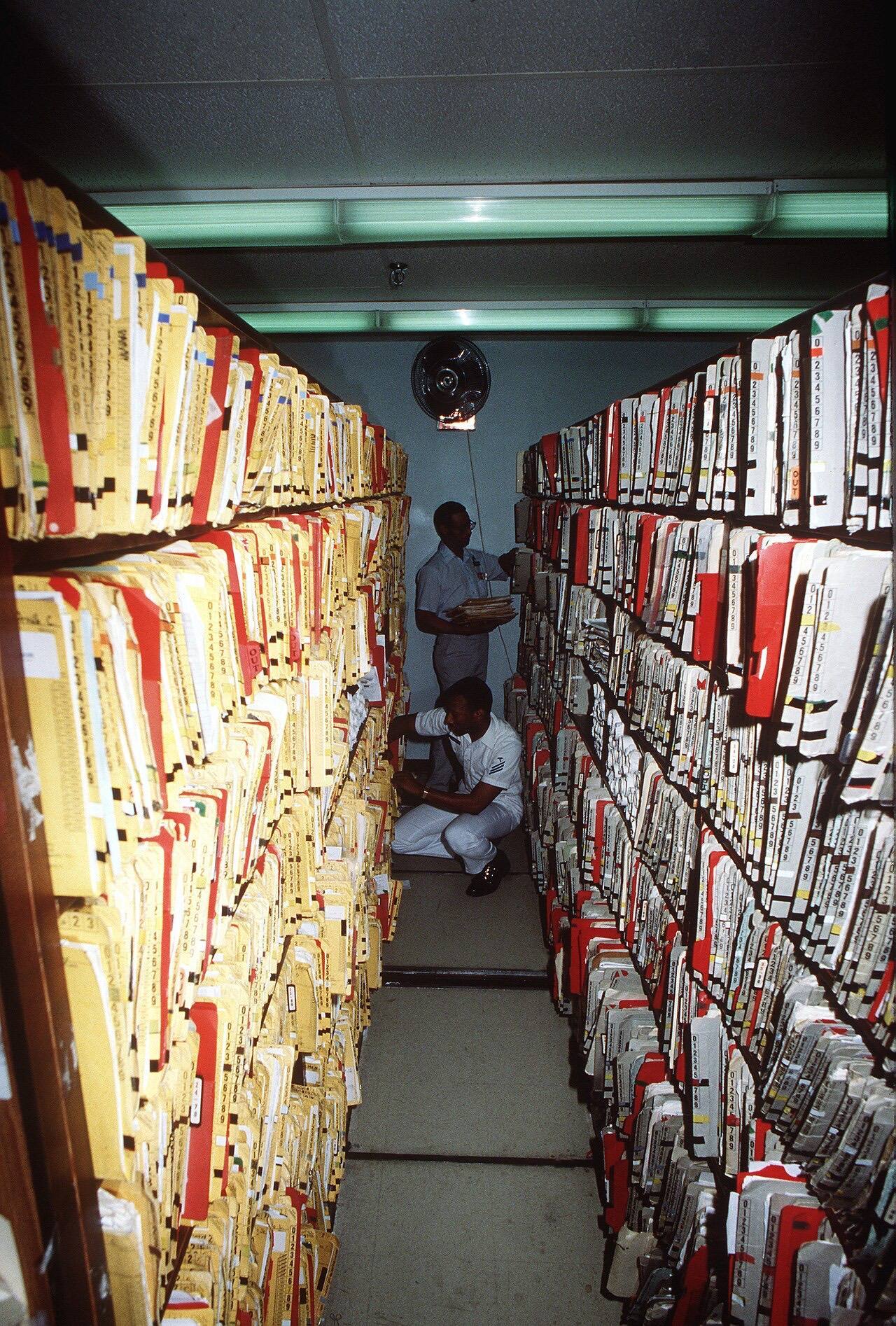
The Promises of Public Health
In recent weeks, politicians from both sides of the aisle have touted the virtues of public clinics, portraying them as the vanguard of accessible healthcare. Proponents argue that these facilities are essential for underserved populations, providing critical services that would otherwise remain out of reach. However, a closer examination reveals a stark contrast between these public claims and the realities on the ground.
On the left, advocates have painted a picture of public clinics as bastions of hope - places where anyone can receive necessary care without the burden of exorbitant costs. This narrative, while appealing, often overlooks the systemic issues plaguing these clinics, such as insufficient funding, bureaucratic inefficiencies, and an overwhelming patient load that stretches resources thin.
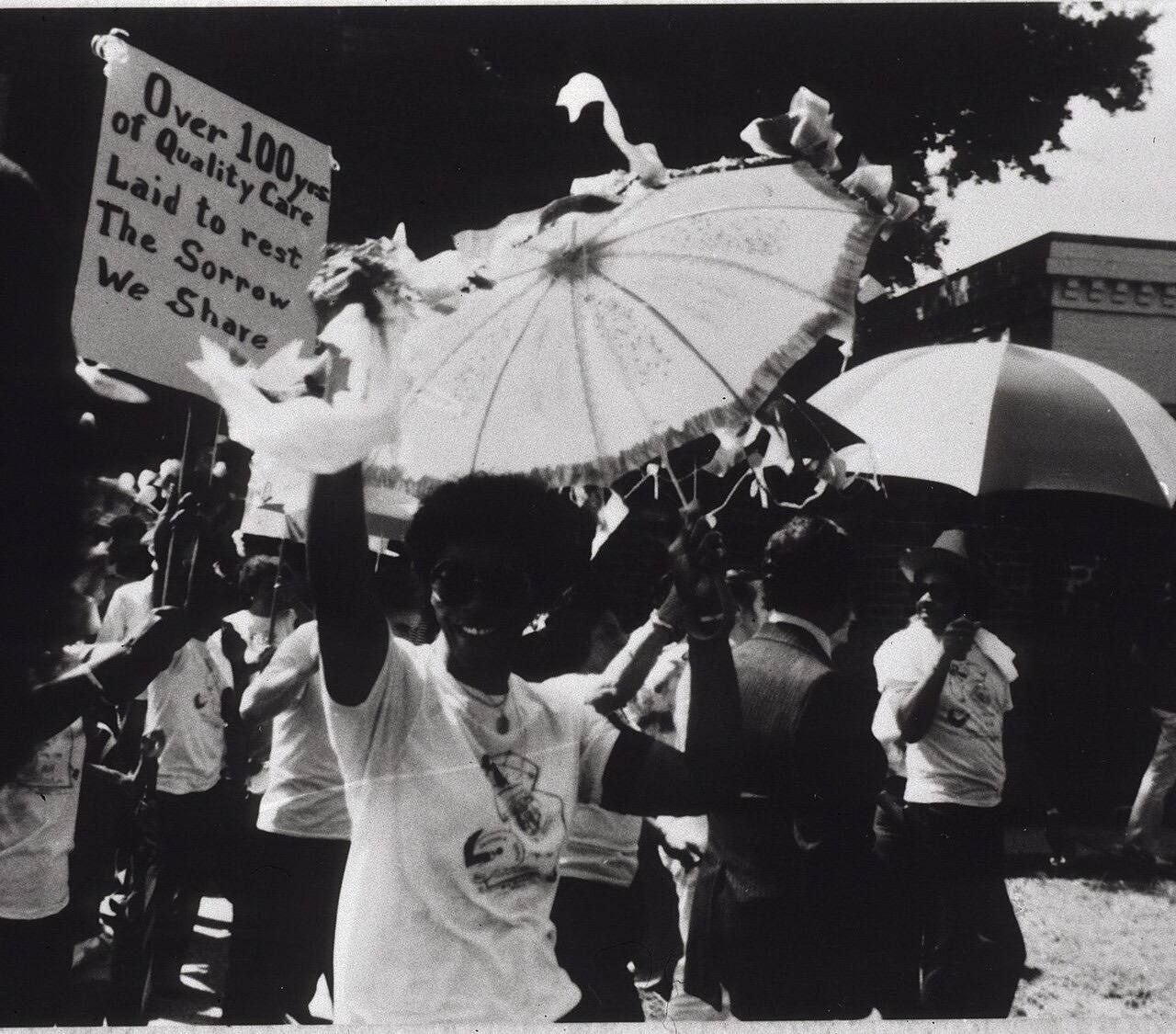
The Strain on Resources
Many public clinics are operating under dire conditions, struggling to meet the needs of a growing patient population. Reports indicate that some facilities are experiencing wait times that stretch into weeks, with patients often forced to choose between waiting for care or resorting to emergency rooms, which are themselves overburdened. The increasing demand for services has not been matched by a corresponding increase in funding, leaving many clinics to operate at a fraction of their capacity.
"We need to invest more in public health, not just pay lip service to it," said one frustrated clinic worker.
Despite the uplifting rhetoric emanating from political leaders, the reality is that many clinics struggle to provide basic services. The promise of comprehensive care often falls short, leading to disillusionment among both patients and healthcare providers. As the left champions these facilities as a solution to the healthcare crisis, they must grapple with the challenges that threaten their very existence.
The Right's Critique
Conversely, some on the right have taken a more critical stance, often suggesting that public clinics are emblematic of a bloated government system that is ill-equipped to manage healthcare effectively. This perspective emphasizes the inefficiencies of government-run programs, arguing that privatization and competition could lead to improved services. However, this argument often ignores the reality faced by those with limited means who rely on public clinics for their healthcare needs.
While it is true that some public clinics could benefit from greater accountability and efficiency, the rush to privatize healthcare could have dire consequences for vulnerable populations. The focus on profit over patient care risks alienating those who have no financial cushion to fall back on. The right's critique, while valid in parts, often simplifies a complex issue and overlooks the critical role that public clinics play in the healthcare landscape.
Bridging the Divide
As both sides of the political spectrum continue to engage in a war of words regarding public clinics, a more balanced approach is needed. Acknowledging the shortcomings of public clinics does not necessitate a wholesale rejection of their value. Similarly, celebrating their existence should not come at the expense of addressing the systemic issues that hinder their effectiveness.
In the face of these challenges, it is imperative for policymakers to prioritize funding and resources for public clinics, ensuring that they can deliver on their promises of accessible healthcare. This could involve not only increased financial support but also efforts to streamline operations and reduce bureaucratic hurdles that complicate service delivery.
A Call for Action
The current political climate is ripe for meaningful reform in healthcare, particularly in the realm of public clinics. However, this requires a concerted effort from both sides of the aisle to put aside ideological differences and focus on solutions that benefit patients. The stakes are high, as the health and well-being of millions depend on the ability of public clinics to provide necessary care.
Ultimately, both the left and the right must recognize that public clinics serve a vital role in our healthcare system. By working together to address the deficiencies that exist, it is possible to create a more effective and equitable healthcare landscape that serves all Americans, regardless of their socio-economic status.
✦ ✦ ✦