From the file. Written for the paper dated July 1989. Opened in the public stacks July 14, 2026.
In a week marked by a barrage of headlines and polarized opinions, a recent public trust survey reveals a disconcerting trend: Americans are increasingly skeptical of their government and institutions, highlighting a growing divide in our national discourse.
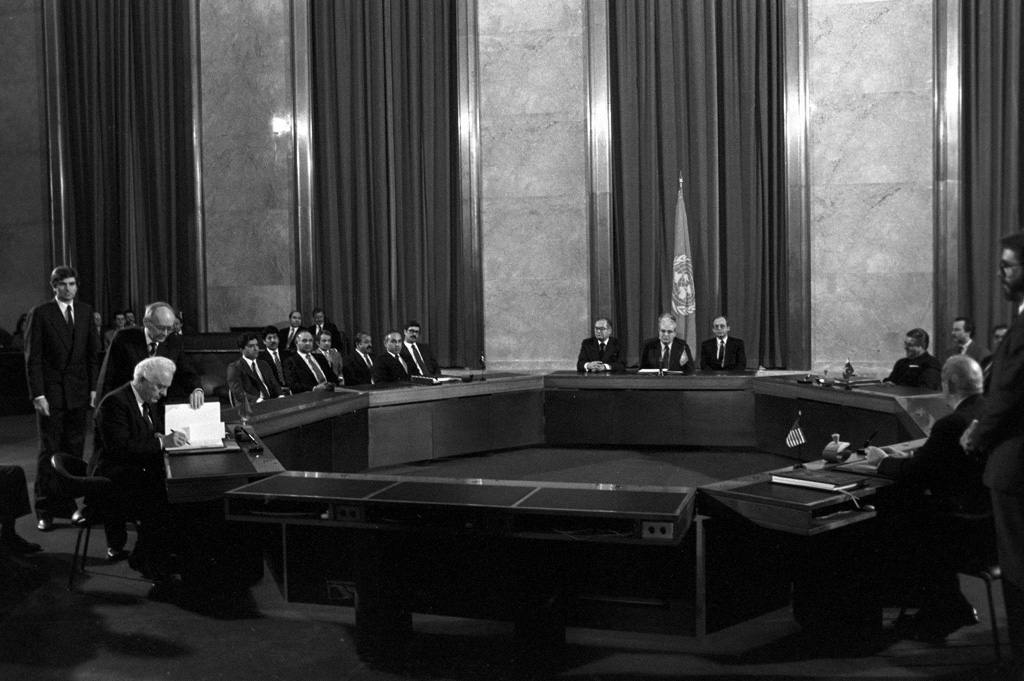
Trust in Government: A Deepening Crisis
According to the latest survey data, less than 30 percent of respondents expressed a strong trust in the federal government. This reflects a significant decline over the past decade, driven largely by a series of political scandals, economic uncertainties, and social upheavals. Many Americans feel alienated from their government, viewing it as ineffective and out of touch with their everyday lives.
"The government no longer feels like it represents us," said one disillusioned voter.
On the left, activists are quick to point fingers at the Reagan administration, attributing this decline in trust to policies perceived as favoring the wealthy and corporations at the expense of the average American. Critics argue that social programs have been slashed and that the gap between the rich and poor has widened, sowing discontent among the populace.
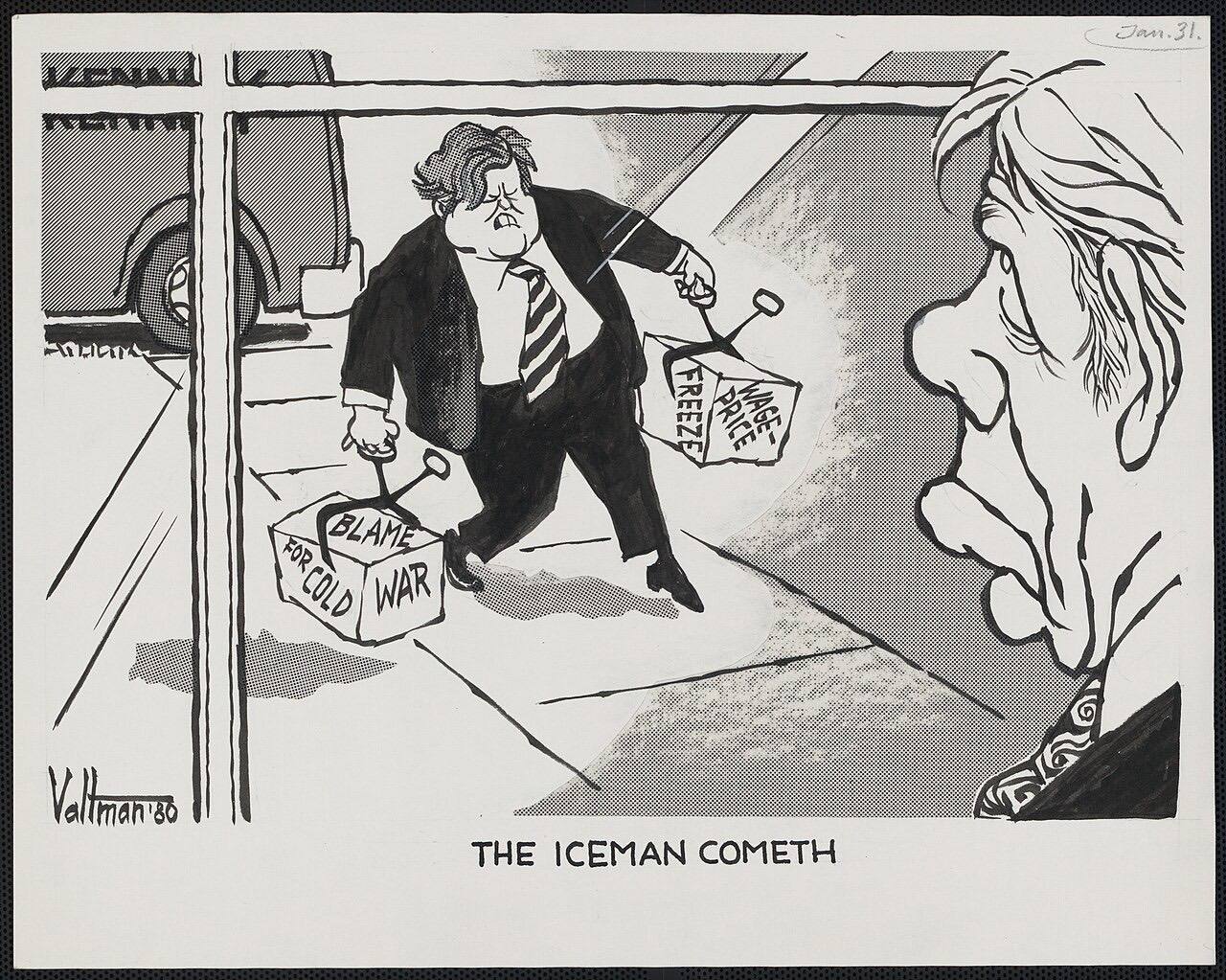
Conversely, on the right, there is a narrative that blames liberal agendas for fostering a culture of dependency and entitlement. The rhetoric here often calls for a return to traditional values and limited government, claiming that many citizens have lost respect for authority due to what they perceive as excessive government intervention in personal lives.
A Closer Look at the Numbers
While both sides present compelling arguments, the survey data suggests a more nuanced picture. Trust in local government remains notably higher than that in federal institutions, with over 50 percent of respondents expressing confidence in their local leaders. This indicates that while there is a national crisis of confidence, many Americans still believe in the possibility of effective governance at the grassroots level.
Moreover, the survey reveals that younger Americans, particularly those in the 18-34 age bracket, exhibit a startling lack of faith in traditional institutions. This demographic is overwhelmingly skeptical of political leaders, with many indicating that they feel their voices are not being heard. The rise of alternative media sources has fueled this sentiment, leading to a fragmentation of information and disillusionment with mainstream narratives.
Responses from Both Sides of the Aisle
In response to these findings, left-leaning commentators argue that the government must do more to engage with disenfranchised groups and prioritize social justice initiatives. They call for comprehensive reforms that would address the root causes of inequality and foster a greater sense of community involvement in governance.
Meanwhile, right-wing pundits emphasize the need for fiscal responsibility and a reduction in the size of government. They argue that the answer lies in empowering citizens through personal responsibility and local governance, advocating for policies that encourage self-sufficiency rather than dependence on government aid.
"We need to restore faith in ourselves, rather than relying on an ineffective government," a conservative commentator stated.
This polarization not only hampers meaningful dialogue but also exacerbates the distrust already prevalent among the populace. With both sides entrenched in their positions, the path to rebuilding public trust remains uncertain. As the survey data demonstrates, Americans are yearning for solutions that transcend party lines and address the underlying issues of governance.
The Way Forward
As the nation grapples with these trust issues, it is imperative that leaders from both sides engage in constructive conversations aimed at healing the rift. This might mean acknowledging the valid concerns of the opposition, whether they arise from fears of overreach or from demands for social equity.
Public trust is not merely a political metric; it is the foundation of a functioning democracy. Without it, citizens become disillusioned, disengaged, and ultimately, disconnected from the very systems that govern their lives. It is incumbent upon both political leaders and the electorate to foster a culture of trust, transparency, and accountability.
Conclusion
In light of these findings, the question remains: how can we bridge the chasm of distrust that has emerged in our society? Both left and right must recognize that the stakes are high. As we move forward, it is essential to prioritize dialogue and collaboration over division. Only then can we hope to rekindle the trust that is so vital for the health of our democracy.
✦ ✦ ✦