From the file. Written for the paper dated July 1989. Opened in the public stacks July 14, 2026.
This week, we take a closer look at public clinics across the nation, examining the numbers and the realities they reveal about the state of healthcare accessibility and quality amid rising political tensions.
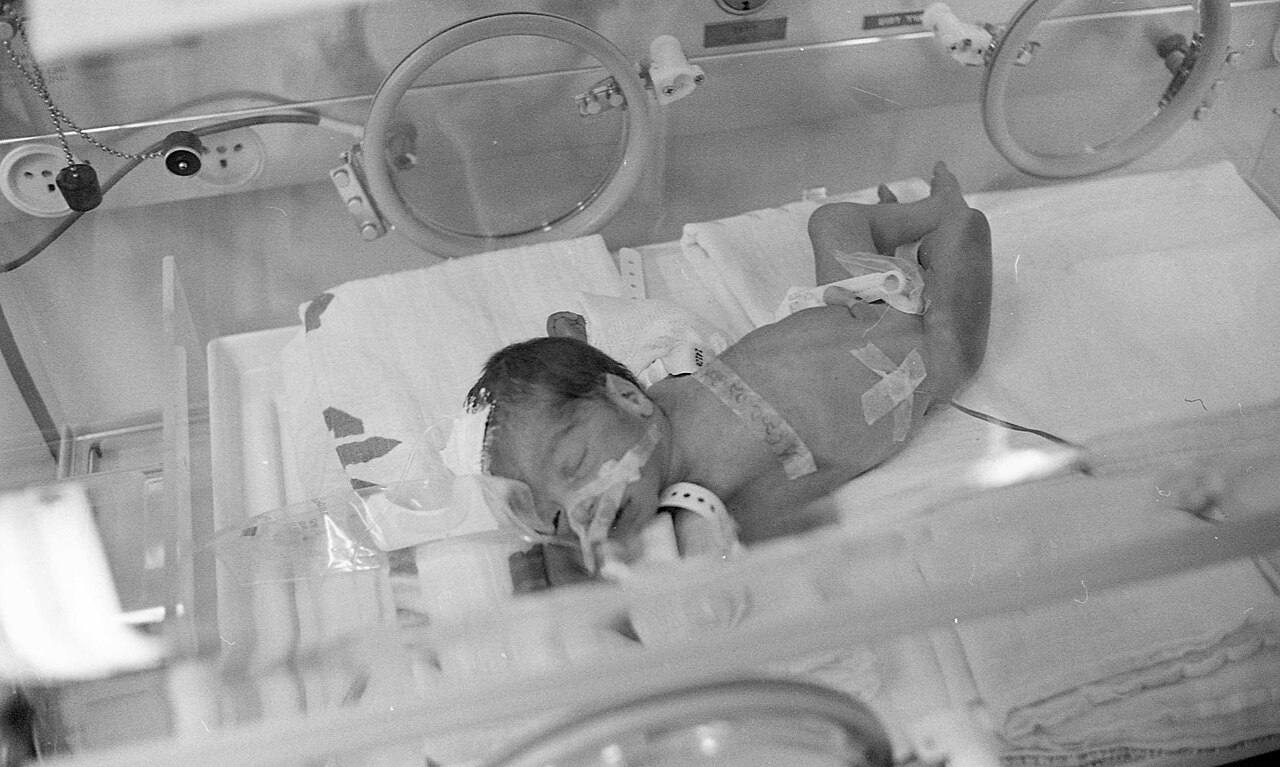
The State of Public Clinics
In the current political climate, public clinics are often at the center of heated debates. Advocates from the left push for expanded services and funding, while conservatives call for cuts, arguing that inefficiencies plague these institutions. But what do the numbers really show about public clinics in 1989?
According to the latest reports from various healthcare associations, there has been a steady increase in the number of patients utilizing public clinics. This surge can be attributed to several factors, including rising healthcare costs and a growing uninsured population. With many Americans unable to afford private insurance, public clinics have become a lifeline for those in need of medical attention.

The Left’s Push for Expansion
Progressive voices in the healthcare debate argue that public clinics are underfunded and overburdened. They contend that the government has a responsibility to ensure that all citizens have access to quality healthcare. Proponents of this view cite statistics showing that many clinics are operating at full capacity, leading to longer wait times and compromised patient care.
However, while the call for increased funding rings true, some argue that it overlooks the systemic issues that have led to these overcrowded conditions. Are we simply throwing money at a problem without addressing the root causes? The left’s approach can sometimes come off as overly simplistic, failing to acknowledge the complexities of healthcare delivery in America.
The Right’s Call for Fiscal Restraint
On the other side of the aisle, conservative leaders advocate for a more hands-off approach. They argue that public clinics are emblematic of government inefficiency and that the free market should play a larger role in healthcare. Their proposed cuts to funding for public clinics are framed as necessary measures to reduce government spending and promote private sector growth.
But this stance raises its own concerns. With many Americans reliant on public clinics for basic healthcare services, cutting funding could exacerbate existing disparities in access to care. Critics on the left argue that this approach prioritizes fiscal conservatism over the health needs of vulnerable populations.
"Public clinics are not just a safety net; they are a cornerstone of community health." - A health policy advocate
What the Numbers Really Mean
Amidst the political rhetoric, the data presents a more nuanced picture. While it is true that patient numbers are climbing, the quality of care remains variable across clinics. Some facilities are thriving, offering comprehensive services, while others struggle with outdated equipment and limited staffing.
Furthermore, the rise in patients may not necessarily indicate a failure of the healthcare system; rather, it may reflect a more informed public that understands the importance of seeking care. More people are aware of the resources available to them, leading to increased utilization of these services.
A Path Forward
As we navigate the complexities of healthcare policy, it is essential to find common ground. Both sides of the political spectrum must recognize the value of public clinics in providing essential services to many Americans. Instead of allowing ideological divides to dictate healthcare policy, perhaps a collaborative approach could yield better outcomes for patients.
Investing in public clinics does not have to mean relinquishing fiscal responsibility. Innovative solutions, such as partnerships with private organizations and community outreach programs, could provide new avenues for support without burdening taxpayers. A balanced approach that emphasizes both quality care and responsible spending may be the key to resolving this ongoing debate.
The Future of Public Clinics
As we look to the future, the fate of public clinics hangs in the balance. Will they become a beacon of hope for those unable to access private healthcare, or will they be left to wither under budget cuts and political indifference? The answer lies in our willingness to engage in a constructive dialogue that prioritizes the health of our communities over partisan politics.
The numbers tell a story of increasing need and demand, but they also highlight the urgent necessity for thoughtful, bipartisan solutions to ensure that public clinics can continue serving those who rely on them the most. As the debate continues, let us not lose sight of the patients behind the statistics.
✦ ✦ ✦