From the file. Written for the paper dated July 1989. Opened in the public stacks July 14, 2026.
In the ongoing debate about the role of the executive branch, the recent surge in executive orders has sparked a heated discussion among both sides of the political spectrum. The numbers behind these orders tell a more complex story than the headlines suggest.
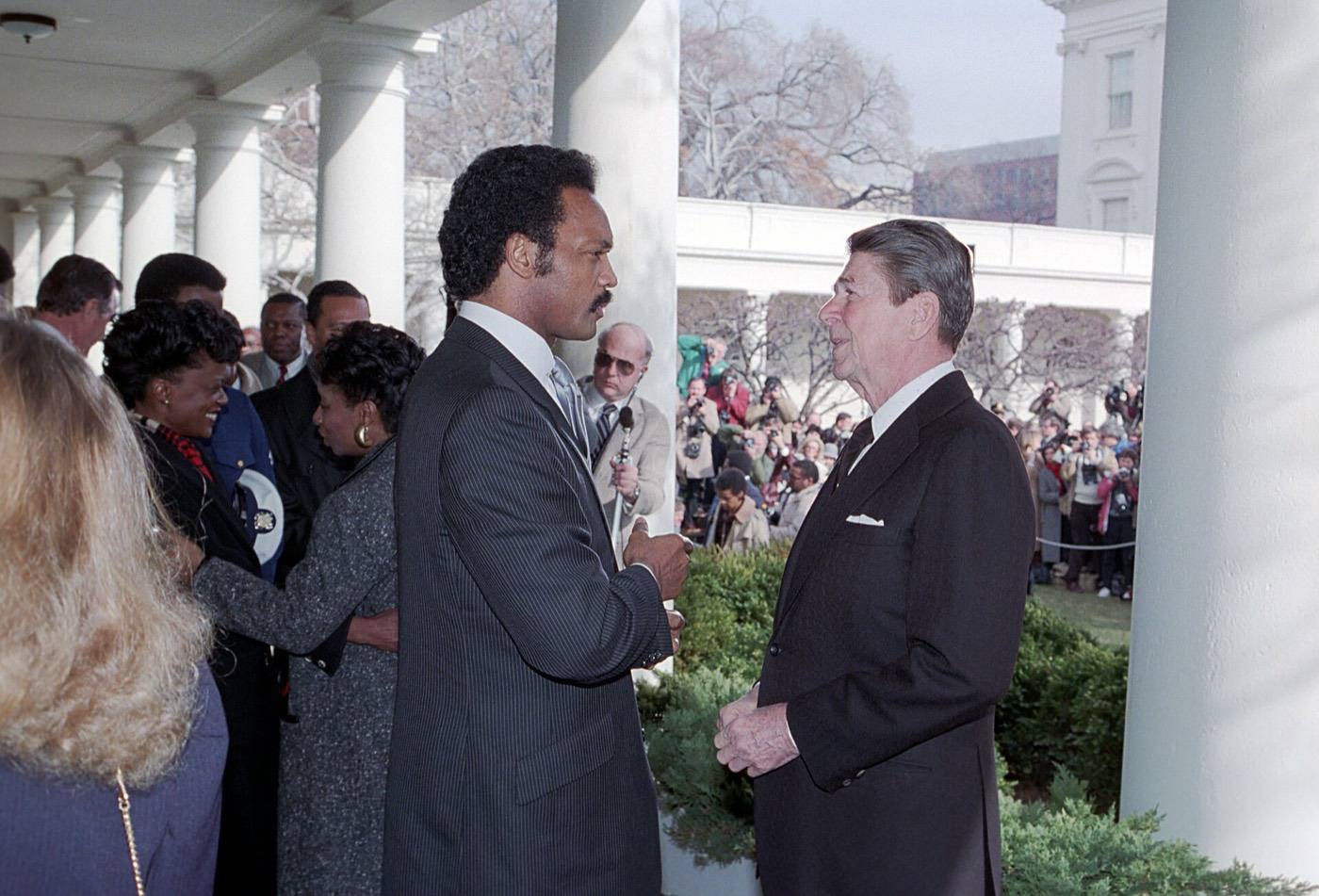
The Rise of Executive Orders
The use of executive orders has increased significantly in recent years, with the current administration leading the charge. Critics argue that this trend undermines the legislative process, effectively circumventing Congress. Proponents, on the other hand, contend that swift action is necessary in a fast-paced political climate. With the numbers reflecting this uptick, it is essential to examine the implications of these actions.
What the Numbers Actually Show
As of this month, the current administration has issued 45 executive orders since taking office, compared to 20 by its predecessor in the same timeframe. This dramatic increase raises questions about the balance of power within the federal government. While some view these actions as necessary to address urgent national issues, others warn that they risk expanding executive power beyond its intended limits.
"The executive order has become a tool for both sides to push their agendas without legislative approval." - Political Analyst
The current administration has utilized executive orders primarily in the realms of environmental regulation and foreign policy. For instance, recent orders have attempted to streamline environmental protections, potentially at the expense of public health and safety. Critics on the left argue that these actions may jeopardize crucial safeguards, while those on the right applaud the efforts to reduce bureaucratic red tape.
Legislative Implications
The proliferation of executive orders raises critical questions about the future of legislative governance. With Congress often at a standstill, both parties have found refuge in the executive order, creating a dangerous precedent. Should one side regain control, they may be tempted to further expand the use of executive orders, leading to an erratic policy landscape that shifts with each administration.
Public Opinion and Political Fallout
Public opinion regarding executive orders is sharply divided. Recent polls indicate that while 60 percent of those identifying with the current administration support the use of executive orders, only 30 percent of those identifying with the opposition party feel the same. This stark division highlights the growing polarization in American politics, where actions once considered bipartisan are now viewed through a strictly partisan lens.
"When one party governs through executive order, it risks alienating the very people it aims to serve." - Political Commentator
Furthermore, the long-term implications of this growing reliance on executive orders are yet to be fully understood. As both sides of the aisle engage in a game of political chess, the risk of escalating tensions and further division remains ever-present. The political climate may become increasingly fraught as each party seeks to counteract the actions of the other, perpetuating a cycle of executive overreach.
Conclusion: A Call for Balanced Governance
As July 1989 comes to a close, it is clear that the rise in executive orders presents a challenge for the future of American democracy. Both sides must recognize the potential consequences of their actions and strive for a more balanced approach to governance. Rather than resorting to unilateral decisions, there must be a commitment to collaboration and dialogue within the halls of Congress.
✦ ✦ ✦